Blood Transfusion Procedure and Reactions
From the i need to learn about the parts of the heat and also the cardiovascular system with how blood transfusion works and all the parts of the heart curriculum
TL;DR
Blood transfusions involve carefully matching donated blood to a recipient to replace lost blood components. The procedure follows strict steps to ensure safety, starting with ABO and Rh typing to prevent dangerous reactions. Despite careful matching, reactions can still occur, ranging from mild allergic responses to severe immune attacks on the transfused blood.
1. The Mental Model
Think of a blood transfusion like giving someone a specific "puzzle piece" (blood type) that fits perfectly into their existing "puzzle" (their body's blood). If the piece doesn't fit, their body will immediately recognize it as foreign and try to reject it, causing problems.
2. The Core Material
When you need a blood transfusion, it's not just about getting blood; it's about getting the right type of blood. Your body's immune system is incredibly good at telling the difference between your own cells and foreign invaders, and transfused blood that doesn't match is seen as an invader.
Blood Typing (ABO and Rh Systems)
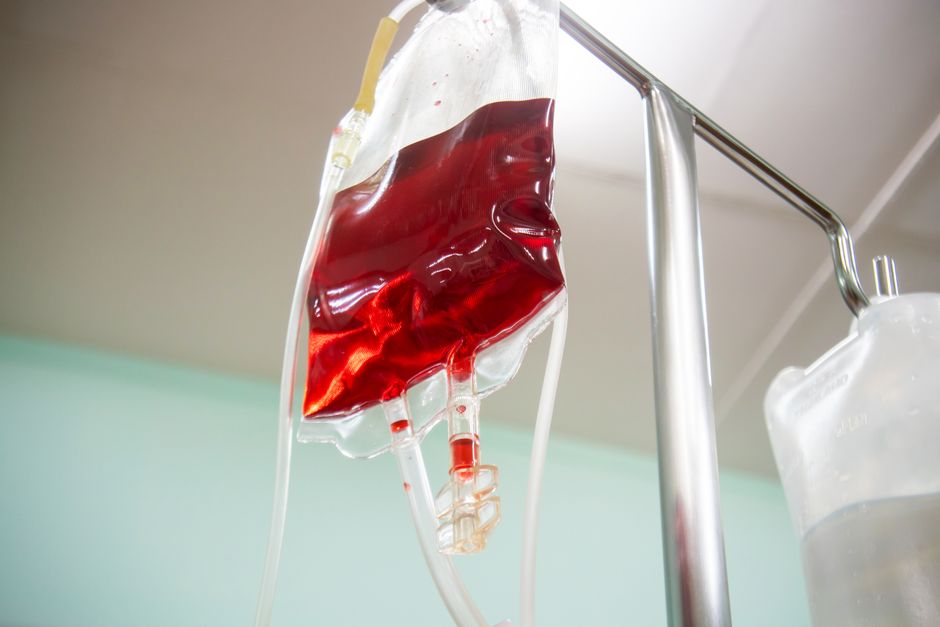
Photo by panumas nikhomkhai on Pexels
The most critical step in a blood transfusion is blood typing. This identifies specific markers (antigens) on the surface of your red blood cells.
- ABO System: You have either A antigens, B antigens, both (AB), or neither (O). Your body also produces antibodies against the antigens you don't have. For example, if you're Type A, you have A antigens and B antibodies. If you receive Type B blood, your B antibodies will attack the transfused B cells.
- Rh System: This refers to the Rh factor, another antigen. If you have it, you're Rh-positive (+); if not, you're Rh-negative (-). Rh-negative individuals can develop antibodies if exposed to Rh-positive blood.
Cross-matching
After initial blood typing, a cross-match is done. This involves mixing a small sample of the recipient's blood with a sample of the donor's blood in a lab to see if there's any reaction before the actual transfusion. This is a final safety check.
The Transfusion Procedure

Photo by Manuel Camacho-Navarro on Pexels
Here's a general overview of the steps involved in a blood transfusion:
graph TD
    A["Physician's Order"] --> B["Blood Bank Request (Typing & Cross-matching)"];
    B --> C["Donor Blood Preparation (Screening, Processing)"];
    C --> D{"Blood Type Match?"};
    D -- No --> E["Reject Blood / Find Match"];
    D -- Yes --> F["Recipient Identification (Double Check)"];
    F --> G["Gather Equipment (IV Line, Filter)"];
    G --> H["Vital Signs Check (Before Transfusion)"];
    H --> I["Start Transfusion (Slowly Initial)"];
    I --> J["Monitor for Reactions (First 15-30 min Critical)"];
    J --> K["Adjust Flow Rate"];
    K --> L["Vital Signs Check (During & After)"];
    L --> M["Document Transfusion"];
Types of Transfusion Reactions
Photo by panumas nikhomkhai on Pexels
Even with careful matching, reactions can happen. They vary in severity:
- Acute Hemolytic Reaction: This is the most dangerous, occurring if ABO incompatible blood is given. Your antibodies rapidly destroy the donor's red blood cells, leading to fever, chills, back pain, and can cause kidney failure or death. This usually happens within minutes.
- Febrile Non-Hemolytic Transfusion Reaction (FNHTR): The most common reaction. You might get a fever and chills, usually from antibodies reacting to white blood cells in the donor blood. It's usually not life-threatening.
- Allergic Reaction: Mild reactions like hives, itching, or rash can occur due to antibodies reacting to proteins in the donor plasma. Severe allergic reactions (anaphylaxis) are rare but possible.
- Transfusion-Associated Circulatory Overload (TACO): Happens if blood is infused too quickly, especially in people with heart issues. It leads to fluid overload, shortness of breath, and high blood pressure.
- Transfusion-Related Acute Lung Injury (TRALI): A serious, but rare, complication where antibodies in the donor blood react with your lung cells, causing acute lung injury and difficulty breathing.
3. Worked Example
Let's say a patient, John, needs a blood transfusion after an accident.
1. Blood Typing: John's blood is tested and found to be Type A, Rh-positive (A+).
2. Blood Request: The doctor orders packed red blood cells. The blood bank searches for A+ donor blood.
3. Cross-match: A sample of John's blood is mixed with a sample of the potential donor A+ blood. There are no adverse reactions in the lab. This confirms compatibility.
4. Transfusion Start: A nurse carefully identifies John, verifies the donor blood unit against John's records, checks his vital signs (temperature, pulse, blood pressure, respirations), and slowly starts the transfusion.
5. Monitoring: Within the first 15 minutes, the nurse stays with John, monitoring for any signs of a reaction (e.g., sudden chills, back pain, difficulty breathing, rash). John feels a bit warm, but his vital signs are stable, and no other symptoms appear.
6. Completion: The transfusion continues at a steady pace. John's vital signs are checked periodically. After the unit is infused, John is re-assessed, and the nurse documents the procedure.
If, during step 5, John had suddenly developed severe back pain, chills, and a rapid drop in blood pressure, the nurse would immediately stop the transfusion, notify the doctor, and initiate treatment for a suspected acute hemolytic reaction.
4. Key Takeaways
- Blood transfusions replace lost blood components with donor blood.
- ABO and Rh blood typing are crucial for matching donor and recipient blood.
- Cross-matching provides an extra safety check for compatibility.
- The transfusion procedure involves careful identification, monitoring, and documentation.
- Acute hemolytic reactions are the most dangerous type of transfusion reaction.
- Febrile non-hemolytic and allergic reactions are more common but usually less severe.
- Transfusion-associated circulatory overload (TACO) and TRALI are serious but less frequent complications.
Common Mistakes to Avoid:
- Giving the wrong blood type: This is the most critical and preventable mistake, often due to improper patient identification.
- Not monitoring the patient closely: Missing early signs of a reaction can lead to more severe outcomes.
- Transfusing too quickly: This can cause fluid overload (TACO), especially in vulnerable patients.
- Not verifying patient and blood unit information: Always perform a double-check at the bedside.
5. Now Try It
Imagine you are a nurse preparing to give a blood transfusion to a patient. List the top three most critical steps you would take before connecting the blood unit to the patient's IV, and explain why each step is so important to prevent a severe reaction.
Frequently asked about Blood Transfusion Procedure and Reactions
More from i need to learn about the parts of the heat and also the cardiovascular system with how blood transfusion works and all the parts of the heart
Get the full i need to learn about the parts of the heat and also the cardiovascular system with how blood transfusion works and all the parts of the heart curriculum
Clone the complete plan to your dashboard for unlimited AI-generated notes, practice quizzes, and a personalised revision schedule.
Save this course free