Blood Composition and Functions
From the i need to learn about the parts of the heat and also the cardiovascular system with how blood transfusion works and all the parts of the heart curriculum
TL;DR
Blood is a vital fluid made of plasma, red blood cells, white blood cells, and platelets, each with specific jobs. These components work together to transport oxygen and nutrients, fight infections, and stop bleeding throughout your body. Understanding blood composition is key to grasping how your cardiovascular system operates.
1. The Mental Model
Imagine your blood as a tiny, bustling highway flowing through your body. This highway carries all sorts of vehicles and workers, each with a critical role: some deliver goods, others clean up, and some fix damage.
2. The Core Material
Your blood isn't just a red liquid; it's a complex tissue made of several different parts, each with a unique function. Let's break down its main components:
Plasma: The Liquid Matrix

Photo by Atlantic Ambience on Pexels
Plasma is the yellowish liquid part of your blood, making up about 55% of its total volume. It's mostly water (around 92%), but also contains proteins, glucose, mineral ions, hormones, carbon dioxide, and blood cells themselves. Think of plasma as the "river" that carries everything else.
- Functions:
- Transports nutrients (like glucose, amino acids, vitamins, minerals) to your cells.
- Carries waste products (like urea, carbon dioxide) away from cells to organs that filter them out.
- Distributes heat throughout your body to help regulate temperature.
- Contains proteins (like albumin, globulins, fibrinogen) that help maintain blood volume, fight infection, and clot blood.
Red Blood Cells (Erythrocytes): The Oxygen Carriers
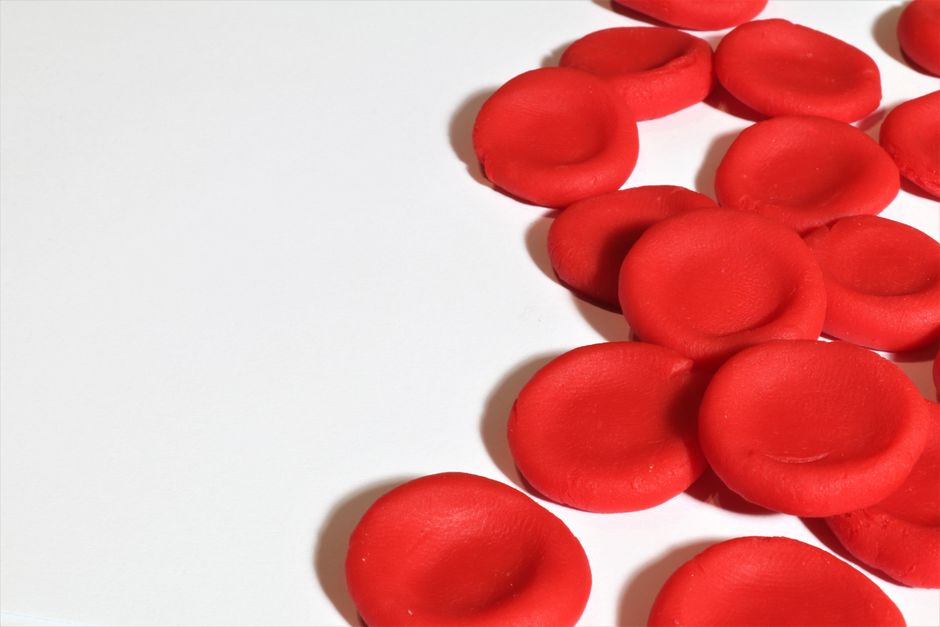
Photo by Roger Brown on Pexels
These are the most abundant cells in your blood, giving it its red color. They're shaped like biconcave discs (like tiny donuts without a hole) and don't have a nucleus when mature. Their main job is to transport oxygen.
- Key Component: Hemoglobin is the protein inside red blood cells that binds to oxygen in your lungs and releases it in your tissues. It also helps carry some carbon dioxide back to the lungs.
- Life Cycle: They live for about 100-120 days and are then removed by the spleen and liver.
White Blood Cells (Leukocytes): The Body's Defenders

Photo by Marek Piwnicki on Pexels
White blood cells are your immune system's primary soldiers. They're larger than red blood cells and have a nucleus. There are several types, each specialized to fight different kinds of infections or foreign invaders.
- Types & Functions (briefly):
- Neutrophils: Phagocytes that engulf bacteria.
- Lymphocytes: Produce antibodies and attack virus-infected cells/cancer cells.
- Monocytes: Develop into macrophages that "eat" cellular debris and pathogens.
- Eosinophils: Deal with parasitic infections and allergic reactions.
- Basophils: Release histamine during allergic reactions.
Platelets (Thrombocytes): The Clotting Crew

Photo by https://kaboompics.com/ on Pexels
These are small, irregular-shaped cell fragments (not full cells) that are essential for stopping bleeding. When a blood vessel is damaged, platelets rush to the site and stick together to form a plug.
- Functions:
- Initiate blood clotting (coagulation) to seal off damaged blood vessels and prevent excessive blood loss.
- Release factors that promote further clotting and vessel repair.
Here's how these components work together:
graph TD
    A["Blood (Total Volume)"] --> B["Plasma (55%)"]
    A --> C["Formed Elements (45%)"]

    B --> B1["Water (92%)"]
    B --> B2["Proteins (Albumin, Globulins, Fibrinogen)"]
    B --> B3["Nutrients, Hormones, Waste"]

    C --> C1["Red Blood Cells (Erythrocytes)"]
    C --> C2["White Blood Cells (Leukocytes)"]
    C --> C3["Platelets (Thrombocytes)"]

    C1 --> O["Oxygen Transport (via Hemoglobin)"]
    C2 --> I["Immune Defense"]
    C3 --> K["Blood Clotting"]
3. Worked Example
Imagine you cut your finger while cooking. Here's what your blood components do:
- Platelets immediately detect the injury. They rush to the site, stick to the damaged blood vessel walls, and to each other, forming a temporary plug.
- Then, proteins in the plasma (like fibrinogen) work with the platelets and other clotting factors to form a strong, mesh-like clot called fibrin, which seals the wound.
- Meanwhile, red blood cells continue their job, delivering oxygen to the surrounding healthy tissues to help with repair, and white blood cells stand ready to fight off any bacteria that might have entered the cut.
4. Key Takeaways
- Blood is a complex fluid composed of plasma and formed elements: red blood cells, white blood cells, and platelets.
- Plasma is the liquid component, transporting nutrients, waste, and heat throughout your body.
- Red blood cells are crucial for carrying oxygen from your lungs to your tissues using hemoglobin.
- White blood cells are your body's immune system, defending against infections and foreign invaders.
- Platelets are small cell fragments vital for blood clotting and preventing excessive blood loss.
-
Each component works in harmony to maintain your body's health and function.
-
Common Mistakes to Avoid:
- Thinking blood is just a uniform red liquid; it's a suspension of cells in plasma.
- Confusing the functions of red and white blood cells; one carries oxygen, the other fights infection.
- Underestimating the role of plasma; it's much more than just water.
- Forgetting that platelets are fragments, not full cells, but are still essential.
5. Now Try It
List the four main components of blood and describe one primary function for each in your own words. Then, think about what might happen if you had very few platelets.
Success looks like: A concise list of the four main components (plasma, red blood cells, white blood cells, platelets) with their correct primary functions, and a reasonable explanation of the consequences of low platelet count (e.g., easy bruising, uncontrolled bleeding).
Frequently asked about Blood Composition and Functions
More from i need to learn about the parts of the heat and also the cardiovascular system with how blood transfusion works and all the parts of the heart
Get the full i need to learn about the parts of the heat and also the cardiovascular system with how blood transfusion works and all the parts of the heart curriculum
Clone the complete plan to your dashboard for unlimited AI-generated notes, practice quizzes, and a personalised revision schedule.
Save this course free