Blood Groups and Compatibility
From the i need to learn about the parts of the heat and also the cardiovascular system with how blood transfusion works and all the parts of the heart curriculum
TL;DR
Blood transfusions need to match blood types to prevent a bad reaction. Your blood type is decided by special markers on your red blood cells, called antigens. The main systems are ABO and Rh, which help us know who can donate to whom safely.
1. The Mental Model
Think of your blood type like a lock, and the donated blood like a key. For a safe transfusion, the key (donated blood) needs to fit the lock (your blood type) perfectly to avoid a dangerous immune system reaction.
2. The Core Material
When we talk about blood groups, we're mainly focusing on two systems: the ABO system and the Rh system. These systems describe specific proteins, called antigens, found on the surface of your red blood cells. Your body also produces antibodies that can attack blood cells with antigens it doesn't recognize.
ABO Blood Groups
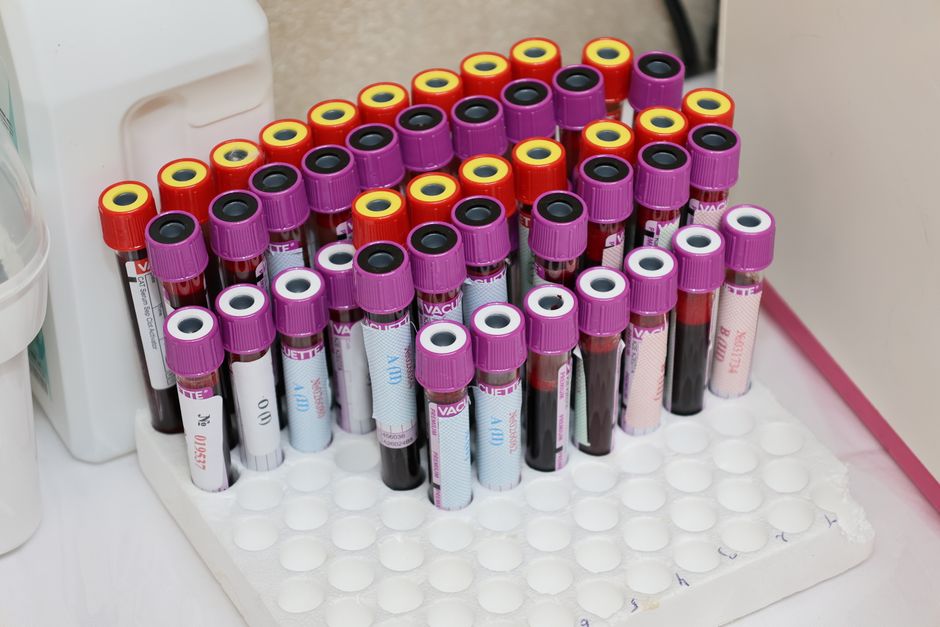
Photo by Tahir Xəlfəquliyev on Pexels
There are four main ABO blood types: A, B, AB, and O. This is determined by the presence or absence of A and B antigens on your red blood cells and A and B antibodies in your plasma.
- Type A: Has A antigens on red blood cells and anti-B antibodies in plasma.
- Type B: Has B antigens on red blood cells and anti-A antibodies in plasma.
- Type AB: Has both A and B antigens on red blood cells, but no anti-A or anti-B antibodies in plasma.
- Type O: Has neither A nor B antigens on red blood cells, but has both anti-A and anti-B antibodies in plasma.
Rh Factor

Photo by Thirdman on Pexels
Beyond ABO, there's the Rh factor, another important antigen. If you have the Rh antigen, you're Rh positive (Rh+). If you don't, you're Rh negative (Rh-). People who are Rh- usually don't have anti-Rh antibodies unless they've been exposed to Rh+ blood (e.g., during a previous transfusion or pregnancy).
Blood Transfusion Compatibility
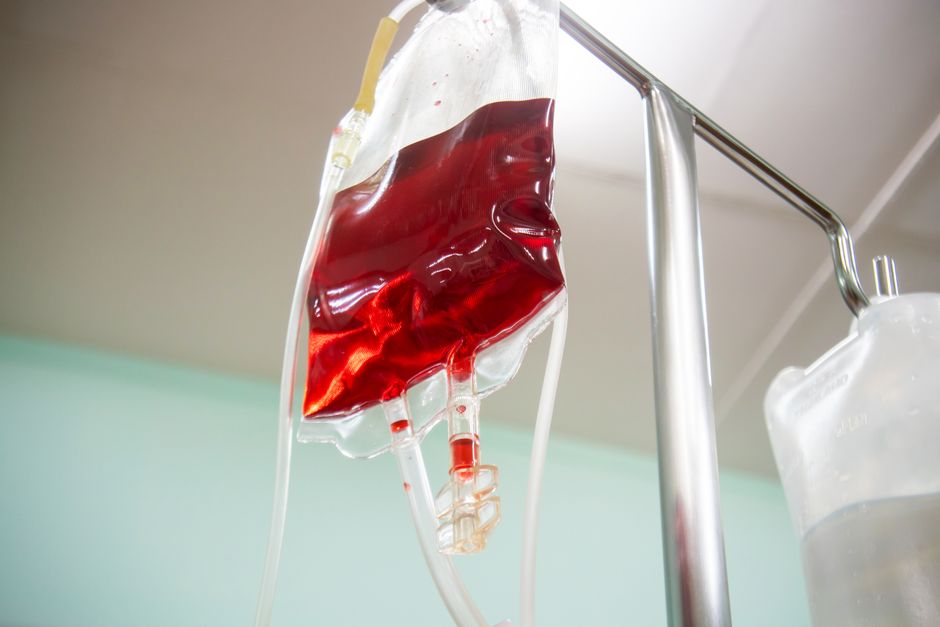
Photo by panumas nikhomkhai on Pexels
The goal of a blood transfusion is to give blood that won't be attacked by the recipient's antibodies. This means the donor's red blood cell antigens must not trigger a reaction in the recipient.
Here's how it generally works:
graph LR
    O_Neg["O Negative (Universal Donor)"] --> Any["Any Blood Type"]
    O_Pos["O Positive"] --> A_Pos["A Positive"]
    O_Pos --> B_Pos["B Positive"]
    O_Pos --> AB_Pos["AB Positive"]
    O_Pos --> O_Pos
    A_Neg["A Negative"] --> A_Neg
    A_Neg --> A_Pos
    A_Neg --> AB_Neg["AB Negative"]
    A_Neg --> AB_Pos
    A_Pos --> A_Pos
    A_Pos --> AB_Pos
    B_Neg["B Negative"] --> B_Neg
    B_Neg --> B_Pos
    B_Neg --> AB_Neg
    B_Neg --> AB_Pos
    B_Pos --> B_Pos
    B_Pos --> AB_Pos
    AB_Neg["AB Negative"] --> AB_Neg
    AB_Neg --> AB_Pos
    AB_Pos["AB Positive (Universal Recipient)"] --> AB_Pos
- Universal Donor (for red blood cells): O negative (O-). Because O- blood has no A, B, or Rh antigens, it won't be attacked by antibodies in any recipient's blood.
- Universal Recipient (for red blood cells): AB positive (AB+). Because AB+ blood has A, B, and Rh antigens and no A, B, or Rh antibodies, it can receive blood from any blood type without a reaction.
Important Note: This is for red blood cell transfusions. For plasma transfusions, the rules are essentially reversed because we're looking at the antibodies in the donor plasma and antigens on the recipient's cells.
3. Worked Example
Let's say a patient needs a blood transfusion and their blood type is A positive (A+).
- Antigens on patient's red blood cells: A antigen, Rh antigen.
- Antibodies in patient's plasma: Anti-B antibodies.
To find compatible blood, we need donor red blood cells that do not have B antigens. Also, since the patient is Rh+, they can receive either Rh+ or Rh- blood.
Therefore, compatible blood types for an A+ patient would be:
* A+: (Has A antigen, Rh antigen; no B antigen) - Perfect match.
* A-: (Has A antigen; no B antigen, no Rh antigen) - No B antigen, no Rh antigen to react with.
* O+: (No A or B antigen; has Rh antigen) - No B antigen to react with.
* O-: (No A or B antigen, no Rh antigen) - Universal donor, safe for anyone.
If the patient received B+ blood, their anti-B antibodies would attack the B antigens on the donor cells, causing a severe transfusion reaction.
4. Key Takeaways
- Your blood type is determined by specific antigens (markers) on your red blood cells.
- The two most important blood group systems are ABO and Rh.
- Antigens on donor red blood cells must not be attacked by antibodies in the recipient's plasma.
- O negative blood is considered the "universal donor" for red blood cell transfusions.
- AB positive blood is considered the "universal recipient" for red blood cell transfusions.
- Mismatched blood transfusions can lead to serious, life-threatening reactions.
Common Mistakes to Avoid:
- Don't confuse universal donor/recipient for red blood cells with plasma transfusions; they have opposite rules.
- Don't forget the importance of the Rh factor; it's crucial for safe transfusions.
- Thinking that blood types only matter for emergencies; they're essential for all transfusions.
- Assuming you can donate to anyone if you're O; only O- is the universal red blood cell donor.
5. Now Try It
Imagine you are a medical technician preparing for an emergency blood transfusion. A patient comes in with B negative (B-) blood type. List all the specific blood types that would be safe to transfuse into this patient. What specifically makes these types compatible and why would others be incompatible?
Frequently asked about Blood Groups and Compatibility
More from i need to learn about the parts of the heat and also the cardiovascular system with how blood transfusion works and all the parts of the heart
Get the full i need to learn about the parts of the heat and also the cardiovascular system with how blood transfusion works and all the parts of the heart curriculum
Clone the complete plan to your dashboard for unlimited AI-generated notes, practice quizzes, and a personalised revision schedule.
Save this course free