Introduction to Blood Transfusion
From the i need to learn about the parts of the heat and also the cardiovascular system with how blood transfusion works and all the parts of the heart curriculum
TL;DR
Blood transfusion is a medical procedure to transfer blood or blood products from one person (the donor) to another (the recipient) to treat various conditions. It's crucial to match blood types to prevent dangerous reactions, which is done through careful testing. The cardiovascular system, including the heart, is what circulates this transfused blood throughout the body.
1. The Mental Model
Imagine your body needs more "fuel" (blood) because of an emergency or a condition. A blood transfusion is like getting a refill from a compatible "fuel tank" (a donor) to get your body running properly again. This new fuel then gets pumped around by your heart through all your blood vessels.
2. The Core Material
Blood transfusion is a life-saving procedure where whole blood or components of blood are given to a patient intravenously. This can be necessary for many reasons, like significant blood loss from an injury or surgery, anemia (not enough red blood cells), or certain blood disorders where the body doesn't produce healthy blood cells.
What is Transfused?
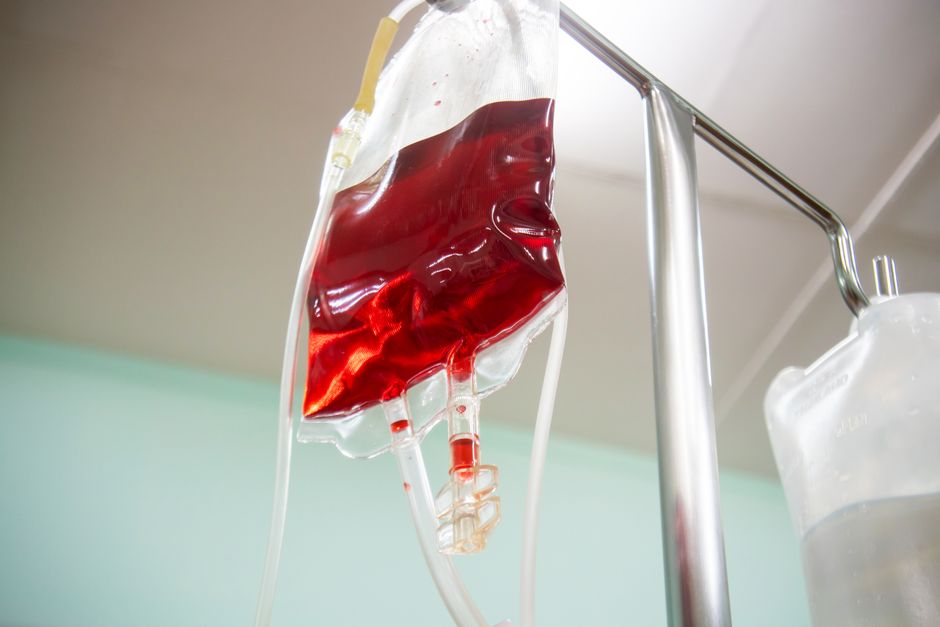
Photo by panumas nikhomkhai on Pexels
You might not always get "whole blood." Often, doctors transfuse specific components:
- Red Blood Cells (RBCs): These carry oxygen. Transfused for anemia or blood loss.
- Platelets: These help your blood clot. Transfused for low platelet counts or bleeding disorders.
- Plasma: The liquid part of blood, containing proteins and clotting factors. Transfused for bleeding disorders or to replace lost blood volume.
- Cryoprecipitate: A specific part of plasma rich in certain clotting factors.
Blood Types and Compatibility
Photo by panumas nikhomkhai on Pexels
The most critical aspect of blood transfusion is blood type matching. If you receive the wrong blood type, your immune system can attack the transfused blood, leading to a severe and potentially fatal reaction.
The two main blood typing systems are:
-
ABO System: This classifies blood into A, B, AB, and O types based on specific markers (antigens) on the surface of red blood cells.
- Type A: Has A antigens.
- Type B: Has B antigens.
- Type AB: Has both A and B antigens.
- Type O: Has neither A nor B antigens.
- Your plasma also contains antibodies against the antigens you don't have. For example, Type A blood has anti-B antibodies.
-
Rh System: This classifies blood as either Rh-positive (Rh+) or Rh-negative (Rh-) depending on the presence (+) or absence (-) of the Rh factor antigen.
Here's a simplified compatibility chart for red blood cells:
graph LR
    Donor["Donor Blood Type"] --> A["Recipient Blood Type"]
    Donor -- O- --> O-
    Donor -- O- --> O+
    Donor -- O- --> A-
    Donor -- O- --> A+
    Donor -- O- --> B-
    Donor -- O- --> B+
    Donor -- O- --> AB-
    Donor -- O- --> AB+

    Donor -- O+ --> O+
    Donor -- O+ --> A+
    Donor -- O+ --> B+
    Donor -- O+ --> AB+

    Donor -- A- --> A-
    Donor -- A- --> A+
    Donor -- A- --> AB-
    Donor -- A- --> AB+

    Donor -- A+ --> A+
    Donor -- A+ --> AB+

    Donor -- B- --> B-
    Donor -- B- --> B+
    Donor -- B- --> AB-
    Donor -- B- --> AB+

    Donor -- B+ --> B+
    Donor -- B+ --> AB+

    Donor -- AB- --> AB-
    Donor -- AB- --> AB+

    Donor -- AB+ --> AB+

    O_Neg["O- (Universal Donor)"] --> Any_Recipient["Any Blood Type"]
    AB_Pos["AB+ (Universal Recipient)"] --> AB_Pos_Only["Can receive from any type"]
- O-negative (O-) is often called the universal donor because it lacks A, B, and Rh antigens, meaning it's less likely to cause a reaction in any recipient.
- AB-positive (AB+) is often called the universal recipient because it has A, B, and Rh antigens, so its immune system won't react to any of these when present in donor blood.
The Process of Transfusion

Photo by Suraphat Nuea-on on Pexels
Before a transfusion, several steps ensure safety:
- Type and Screen: Your blood is tested to determine your ABO and Rh type and to look for any unexpected antibodies.
- Crossmatch: A small sample of your blood is mixed with a sample of the donor blood to check for any reaction. This is the final compatibility test.
- Transfusion: Once compatibility is confirmed, the blood product is slowly infused into a vein, usually through an IV line, under careful monitoring.
The Cardiovascular System and Transfusion
Photo by panumas nikhomkhai on Pexels
The cardiovascular system is essential to how a transfusion works. It's the body's transport network:
- Heart: This muscular organ is the pump. It pushes blood, including the transfused blood, throughout your body.
- Blood Vessels: These are the "pipes" that carry blood.
- Arteries: Carry oxygenated blood away from the heart to the body.
- Veins: Carry deoxygenated blood back to the heart.
- Capillaries: Tiny vessels where oxygen, nutrients, and waste are exchanged between blood and tissues.
- Blood: The fluid itself, carrying oxygen, nutrients, hormones, and waste.
When you receive a blood transfusion, the donated blood enters your veins, travels to your heart, and then the heart pumps it to your lungs to get oxygen and then to the rest of your body, where it can do its job.
Parts of the Heart
Your heart has four chambers:
- Right Atrium: Receives deoxygenated blood from the body.
- Right Ventricle: Pumps deoxygenated blood to the lungs.
- Left Atrium: Receives oxygenated blood from the lungs.
- Left Ventricle: Pumps oxygenated blood to the rest of the body (this is the strongest chamber).
There are also valves (tricuspid, pulmonary, mitral, aortic) that ensure blood flows in one direction and doesn't back up.
3. Worked Example
Let's say you're a patient who lost a lot of blood due to an accident. Your blood type is determined to be A-negative (A-).
- Need: You need red blood cells to carry oxygen.
- Donor Search: The blood bank will look for A-negative donor blood. If A-negative isn't immediately available, they might consider O-negative blood because it's the universal donor for red blood cells. They cannot give you A-positive blood because you are Rh-negative, and your body would react to the Rh factor. They also cannot give you B-type or AB-type blood because your immune system has anti-B antibodies.
- Testing: The chosen donor blood will be cross-matched with your blood to ensure no reaction.
- Transfusion: Once confirmed safe, the A-negative (or O-negative) red blood cells are slowly infused into a vein in your arm.
- Circulation: This new blood travels up your arm veins, into your superior vena cava, into your right atrium, then right ventricle, to your lungs, back to your left atrium, then left ventricle, and finally is pumped out through your aorta to circulate throughout your body, delivering much-needed oxygen.
4. Key Takeaways
- Blood transfusion is giving blood or blood components intravenously to a patient.
- It's critical to match blood types (ABO and Rh systems) between donor and recipient to prevent dangerous immune reactions.
- O-negative blood is the universal donor for red blood cells, while AB-positive is the universal recipient.
- The cardiovascular system, driven by the heart, circulates transfused blood throughout the body.
- The heart has four chambers: right atrium, right ventricle, left atrium, and left ventricle, with valves ensuring one-way blood flow.
- Careful "type and screen" and "crossmatch" tests are always performed before a transfusion.
- Common transfused components include red blood cells, platelets, and plasma.
Common Mistakes to Avoid:
- Don't assume any blood type can be given to anyone; compatibility is paramount.
- Forgetting about the Rh factor can lead to severe reactions, especially in Rh-negative individuals.
- Not understanding that the heart's pumping action is vital for distributing transfused blood.
- Believing that "whole blood" is always transfused; specific components are often used.
5. Now Try It
Imagine you are a medical intern. A patient comes in needing a red blood cell transfusion. Their blood type is B-positive (B+). What blood types could you safely give this patient for red blood cells, and why? Also, briefly describe how the transfused blood would generally flow through their heart chambers and out to their body.
Success looks like: Listing the specific compatible blood types and clearly explaining why they are compatible based on ABO and Rh antigens/antibodies, then tracing the path of the blood through the four heart chambers.
Frequently asked about Introduction to Blood Transfusion
More from i need to learn about the parts of the heat and also the cardiovascular system with how blood transfusion works and all the parts of the heart
Get the full i need to learn about the parts of the heat and also the cardiovascular system with how blood transfusion works and all the parts of the heart curriculum
Clone the complete plan to your dashboard for unlimited AI-generated notes, practice quizzes, and a personalised revision schedule.
Save this course free