Cardiac Cycle, Electrical Activity, and Blood Vessels
From the i need to learn about the parts of the heat and also the cardiovascular system with how blood transfusion works and all the parts of the heart curriculum
TL;DR
Your heart beats in a continuous cardiac cycle, driven by its own electrical signals, to pump blood through your body. This electrical activity starts in the SA node, spreading to make your heart muscle contract and relax. Blood travels through different types of blood vessels—arteries, veins, and capillaries—to deliver oxygen and nutrients and remove waste.
1. The Mental Model
Think of your heart as a two-stage pump with its own built-in electrician. The "electrician" (electrical system) tells the "pump" (muscles) when to squeeze and relax, making blood flow continuously through your body's "pipes" (blood vessels).
2. The Core Material
Your cardiovascular system is all about moving blood. It's made up of your heart, blood vessels, and the blood itself.
The Heart: Your Body's Pump

Photo by Andres Ayrton on Pexels
Your heart has four chambers: two atria (upper chambers that receive blood) and two ventricles (lower chambers that pump blood out).
- Right Atrium (RA): Receives deoxygenated blood from the body.
- Right Ventricle (RV): Pumps deoxygenated blood to the lungs.
- Left Atrium (LA): Receives oxygenated blood from the lungs.
- Left Ventricle (LV): Pumps oxygenated blood to the rest of the body; it's the strongest chamber.
There are also four valves in your heart that act like one-way doors, making sure blood flows in the correct direction:
- Tricuspid valve: Between RA and RV.
- Pulmonary valve: Between RV and pulmonary artery.
- Mitral (bicuspid) valve: Between LA and LV.
- Aortic valve: Between LV and aorta.
The Cardiac Cycle: A Coordinated Beat
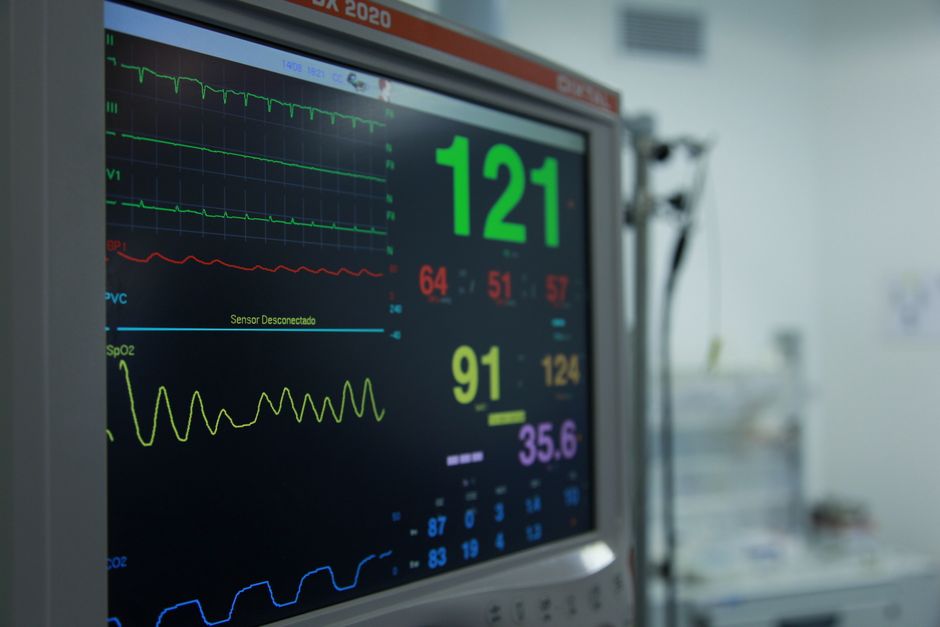
Photo by CARLOSCRUZ ARTEGRAFIA on Pexels
The cardiac cycle is one complete heartbeat, involving both relaxation (diastole) and contraction (systole) of the atria and ventricles.
- Diastole: Your heart chambers relax and fill with blood.
- Blood flows from the atria into the ventricles (mitral and tricuspid valves open, aortic and pulmonary valves close).
- Atrial Systole: The atria contract, pushing the last bit of blood into the ventricles.
- Ventricular Systole: The ventricles contract, pumping blood out of the heart.
- First, the mitral and tricuspid valves close (making the "lub" sound).
- Then, the aortic and pulmonary valves open, and blood is ejected into the aorta and pulmonary artery.
- As the ventricles relax, the aortic and pulmonary valves close (making the "dub" sound), preventing backflow.
Electrical Activity of the Heart
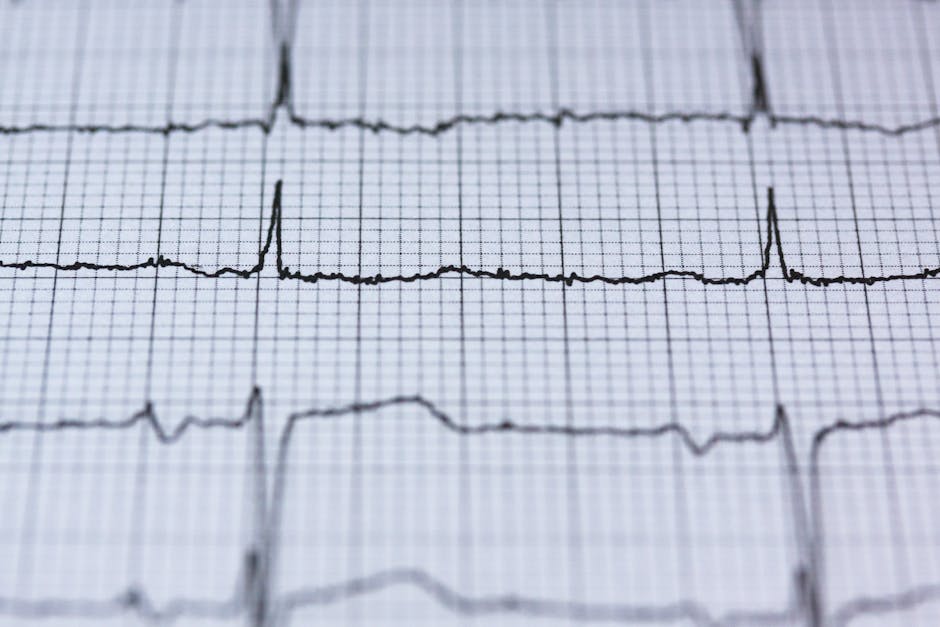
Photo by Pixabay on Pexels
Your heart has a special conduction system that generates its own electrical impulses, making it beat rhythmically.
- Sinoatrial (SA) Node: Often called the "pacemaker," it's in the right atrium and starts the electrical impulse.
- Atrioventricular (AV) Node: Receives the impulse from the SA node and delays it slightly, allowing the atria to fully contract before the ventricles do.
- Bundle of His (AV Bundle): Carries the impulse from the AV node into the ventricles.
- Bundle Branches: The Bundle of His splits into left and right branches, sending the impulse down to the bottom of the ventricles.
- Purkinje Fibers: Spread the impulse rapidly throughout the ventricular muscle, causing them to contract from the bottom up, pushing blood out.
graph TD
    A["SA Node (Pacemaker)"] --> B["Electrical impulse spreads<br/>across atria (atrial contraction)"]
    B --> C["AV Node (Delay signal)"]
    C --> D["Bundle of His"]
    D --> E["Left & Right Bundle Branches"]
    E --> F["Purkinje Fibers (Ventricular contraction)"]
Blood Vessels: The Body's Plumbing

Photo by Lais Queiroz on Pexels
Blood vessels form a closed loop carrying blood throughout your body.
- Arteries: Carry oxygenated blood away from the heart to the body (except the pulmonary artery, which carries deoxygenated blood to the lungs). They have thick, muscular walls to withstand high pressure. The main artery leaving the heart is the aorta.
- Arterioles: Smaller arteries that lead into capillaries. They can constrict or dilate to control blood flow.
- Capillaries: Tiny, thin-walled vessels where oxygen, nutrients, and waste exchange happens between blood and tissues. They are just one cell thick.
- Venules: Small veins that collect deoxygenated blood from capillaries.
- Veins: Carry deoxygenated blood back to the heart (except the pulmonary veins, which carry oxygenated blood from the lungs). They have thinner walls and often contain valves to prevent backflow, especially in the limbs. The main veins returning to the heart are the superior vena cava and inferior vena cava.
Blood Transfusion
A blood transfusion is when you receive blood (or blood components like plasma or platelets) from a donor. It's needed for conditions like severe blood loss, anemia, or clotting disorders. Before a transfusion, strict matching of blood types (like ABO and Rh factor) is crucial to prevent a dangerous immune reaction where your body attacks the donated blood.
3. Worked Example
Let's trace a single drop of oxygenated blood from the moment it leaves the heart to when it returns deoxygenated, and then gets re-oxygenated and pumped out again.
- Out of the heart: Oxygenated blood is pumped from the Left Ventricle through the Aortic Valve into the Aorta.
- To the body: The aorta branches into smaller arteries, then arterioles, carrying blood to organs like your brain, muscles, and digestive system.
- Exchange: In the capillaries within those organs, oxygen and nutrients are dropped off, and carbon dioxide and waste products are picked up. The blood is now deoxygenated.
- Back to the heart (right side): Deoxygenated blood enters venules, then larger veins, and eventually gathers in the Superior Vena Cava (from upper body) and Inferior Vena Cava (from lower body), which empty into the Right Atrium.
- To the lungs: From the Right Atrium, blood passes through the Tricuspid Valve into the Right Ventricle. The Right Ventricle then pumps this deoxygenated blood through the Pulmonary Valve into the Pulmonary Artery, which goes to the lungs.
- In the lungs: In the lung capillaries, carbon dioxide is released, and oxygen is picked up. The blood is now oxygenated again.
- Back to the heart (left side): Oxygenated blood returns from the lungs via the Pulmonary Veins to the Left Atrium.
- Ready to go again: From the Left Atrium, blood passes through the Mitral Valve into the Left Ventricle, completing the cycle and ready to be pumped out to the body again.
4. Key Takeaways
- The cardiac cycle involves the heart relaxing (diastole) to fill with blood and contracting (systole) to pump it out.
- The heart's electrical system, starting at the SA node, coordinates the contraction of its four chambers.
- Arteries carry blood away from the heart, veins carry blood back to the heart, and capillaries are where exchange happens.
- Valves in the heart and veins ensure blood flows in one direction, preventing backflow.
- A blood transfusion requires careful matching of blood types to avoid dangerous immune reactions.
- The left side of the heart pumps oxygenated blood to the body, and the right side pumps deoxygenated blood to the lungs.
- The left ventricle is the strongest chamber because it pumps blood to your entire body.
Common Mistakes to Avoid:
- Don't confuse arteries with veins; remember "A" for Artery = Away from the heart.
- Don't think the heart beats because of nerves from the brain; it has its own intrinsic electrical system.
- Don't forget that pulmonary arteries carry deoxygenated blood and pulmonary veins carry oxygenated blood – they are exceptions to the general rule.
- Don't underestimate the importance of blood type matching for transfusions; it's critical for patient safety.
5. Now Try It
Draw a simple diagram of the heart with its four chambers and four main valves. Then, using arrows, trace the path of a red blood cell starting from the moment it enters the right atrium until it leaves the left ventricle to go to the body. Label each chamber and valve it passes through.
What success looks like: Your diagram clearly shows the correct sequence of chambers (RA -> RV -> LA -> LV) and the valves it crosses (Tricuspid -> Pulmonary -> Mitral -> Aortic), with arrows indicating blood flow direction.
Frequently asked about Cardiac Cycle, Electrical Activity, and Blood Vessels
More from i need to learn about the parts of the heat and also the cardiovascular system with how blood transfusion works and all the parts of the heart
Get the full i need to learn about the parts of the heat and also the cardiovascular system with how blood transfusion works and all the parts of the heart curriculum
Clone the complete plan to your dashboard for unlimited AI-generated notes, practice quizzes, and a personalised revision schedule.
Save this course free