Introduction to Chordates and Vertebrates
From the SZL 111 _Zoology curriculum
TL;DR
Chordates are a diverse animal group characterized by four key features at some point in their life cycle: a notochord, a dorsal hollow nerve cord, pharyngeal slits, and a post-anal tail. Vertebrates are a subgroup of chordates possessing a vertebral column, which replaces the notochord in adults. Understanding these defining characteristics helps classify and differentiate various animal phyla.
1. The Mental Model
Think of chordates as a big family, and vertebrates as a very successful branch of that family. All vertebrates are chordates, but not all chordates are vertebrates. The key features of chordates are like the "family traits" that unite them, even if some of these traits only appear during development.
2. The Core Material
Chordates are a phylum (Phylum Chordata) within the animal kingdom. What makes an animal a chordate isn't just one thing, but a set of four distinct characteristics that appear at some stage of their life cycle (embryonic or adult). These are:
2.1 Four Defining Characteristics of Chordates
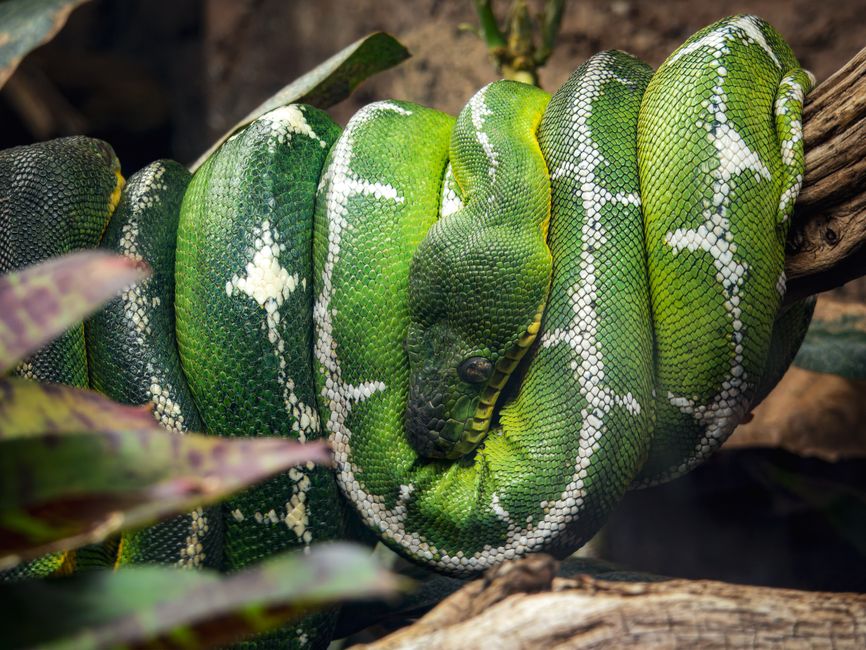
Photo by Jimmyk photos on Pexels
- Notochord: This is a flexible, rod-like structure that provides skeletal support. In most vertebrates, it's replaced by the vertebral column during development, but it's crucial for embryonic development.
- Dorsal Hollow Nerve Cord: Unlike the solid, ventral nerve cords found in many invertebrates, chordates have a nerve cord located dorsally (on the back) that is hollow. This develops into the brain and spinal cord in vertebrates.
- Pharyngeal Slits (or Clefts): These are openings in the pharynx (the part of the throat behind the mouth). In aquatic chordates, they develop into gill slits for gas exchange. In terrestrial chordates (like humans), they appear in the embryo but close up, contributing to structures in the head and neck.
- Post-Anal Tail: This is a tail that extends beyond the anus. It's present in most chordates, providing propulsion in aquatic species or balance in others. In humans, it's reduced to the coccyx (tailbone) in adults.
2.2 Subphyla of Chordata
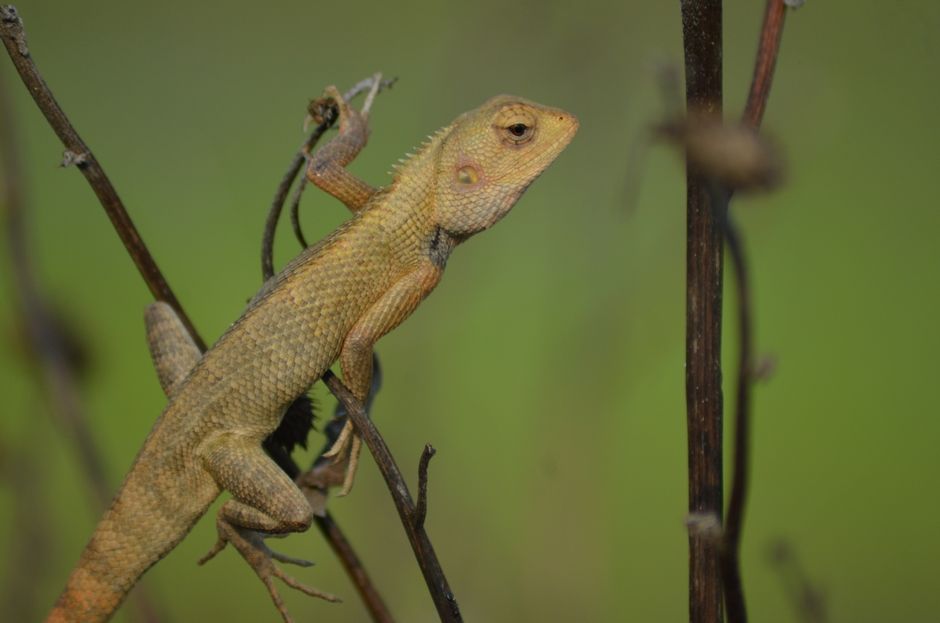
Photo by ajay kumar vishwakarma on Pexels
The Phylum Chordata is divided into three subphyla:
* Urochordata (Tunicates): Marine filter feeders, often sessile as adults. Their larval stage clearly shows all four chordate characteristics, but adults often lose some.
* Cephalochordata (Lancelets): Small, fish-like marine organisms that retain all four chordate characteristics throughout their lives.
* Vertebrata: This is the largest and most familiar subphylum, including fish, amphibians, reptiles, birds, and mammals.
2.3 What Makes a Vertebrate a Vertebrate?
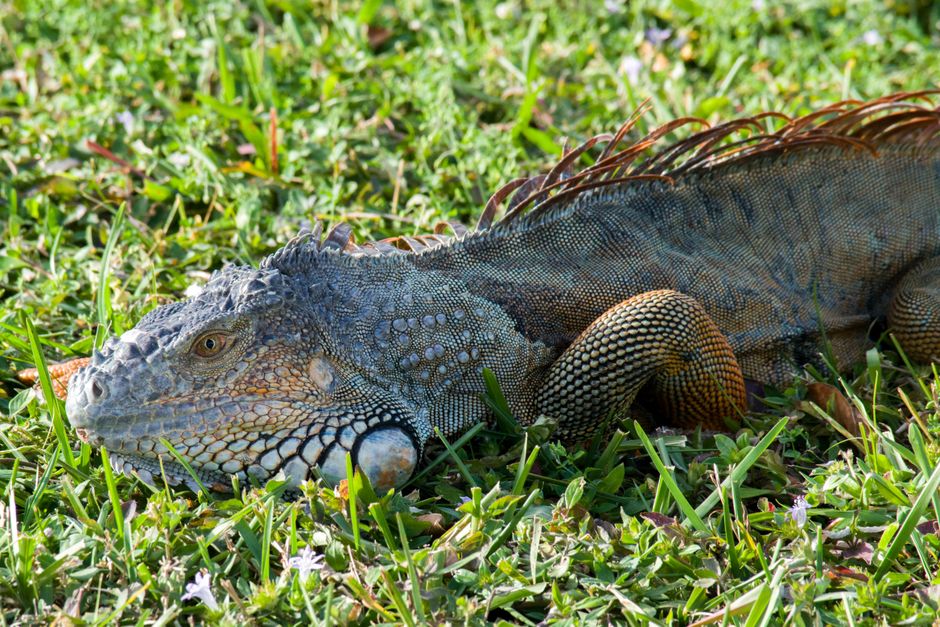
Photo by Jason M on Pexels
Vertebrates are a subgroup within Chordata. Their defining characteristic is the presence of a vertebral column (backbone), composed of individual vertebrae. This bony or cartilaginous column surrounds and protects the dorsal hollow nerve cord, largely replacing the notochord as the primary axial support structure in adults. They also typically have a well-defined head with a skull (cranium) to protect the brain.
graph TD
    A["Animal Kingdom"] --> B["Phylum Chordata"]
    B --> C1["Subphylum Urochordata (Tunicates)"]
    B --> C2["Subphylum Cephalochordata (Lancelets)"]
    B --> C3["Subphylum Vertebrata"]
    C3 --> D1["Fish (e.g., sharks, bony fish)"]
    C3 --> D2["Amphibians (e.g., frogs, salamanders)"]
    C3 --> D3["Reptiles (e.g., snakes, lizards)"]
    C3 --> D4["Birds (e.g., eagles, sparrows)"]
    C3 --> D5["Mammals (e.g., humans, cats)"]

    style B fill:#f9f,stroke:#333,stroke-width:2px
    style C3 fill:#bbf,stroke:#333,stroke-width:2px
    linkStyle 0 stroke-width:2px,stroke:red;
    linkStyle 1 stroke-width:2px,stroke:blue;
    linkStyle 2 stroke-width:2px,stroke:blue;
    linkStyle 3 stroke-width:2px,stroke:blue;
3. Worked Example
Let's consider a human. Are we a chordate? Yes. Do we have a notochord? During embryonic development, a notochord forms, which induces the formation of the neural tube (our dorsal hollow nerve cord). Later, this notochord largely regresses and becomes part of the intervertebral discs of our backbone. Do we have pharyngeal slits? Yes, as an embryo, you had pharyngeal arches and pouches, which are homologous to the gill slits of fish and develop into structures like the ear canals, tonsils, and thyroid gland. Do we have a post-anal tail? Absolutely, our embryo has a clear post-anal tail that later retracts and reduces to the coccyx. Since humans also have a vertebral column, we are classified as vertebrates within the chordate phylum.
4. Key Takeaways
- All chordates share four distinct characteristics at some point in their lives: a notochord, dorsal hollow nerve cord, pharyngeal slits, and a post-anal tail.
- The notochord provides crucial skeletal support, often replaced by a vertebral column in vertebrates.
- The dorsal hollow nerve cord develops into the central nervous system (brain and spinal cord).
- Pharyngeal slits are embryonic features that can become gill slits in aquatic forms or contribute to head/neck structures in terrestrial forms.
- A post-anal tail aids in locomotion or balance, though it can be reduced in adults (like in humans).
- Vertebrates are a major subgroup of chordates distinguished by their vertebral column and usually a cranium.
-
Not all chordates are vertebrates (e.g., tunicates and lancelets).
-
Common mistakes to avoid:
- Assuming all chordate features are present throughout an animal's entire life.
- Confusing "chordate" with "vertebrate"; they are not interchangeable.
- Thinking the notochord is always the backbone; it's often a precursor.
- Believing fish are the only animals with pharyngeal slits; they're an embryonic feature in many chordates.
5. Now Try It
Take an animal you are familiar with, like a bird (e.g., a chicken). Spend 15 minutes researching how the four chordate characteristics (notochord, dorsal hollow nerve cord, pharyngeal slits, post-anal tail) manifest in its embryonic development or adult form. Then, explain why a chicken is considered a vertebrate. What specific structure definitively places it in the subphylum Vertebrata?
Frequently asked about Introduction to Chordates and Vertebrates
Study this next
Get the full SZL 111 _Zoology curriculum
Clone the complete plan to your dashboard for unlimited AI-generated notes, practice quizzes, and a personalised revision schedule.
Save this course free