Animal Diversity (Invertebrates II)
From the SZL 111 _Zoology curriculum
TL;DR
This section covers several important invertebrate phyla beyond the first group, focusing on their unique body plans and key characteristics. You'll learn about segmented worms, molluscs with their diverse shells and body forms, and the incredibly successful arthropods. Understanding these groups helps clarify the vast spectrum of invertebrate life and evolutionary adaptations.
1. The Mental Model
Think of invertebrates as a spectrum of evolving body plans, each group building on or diverging from earlier forms. We're moving from simpler designs to more complex ones, particularly focusing on segmentation, specialized organs, and diverse movement strategies.
2. The Core Material
Invertebrates are animals without a backbone. We've previously looked at sponges, cnidarians, and flatworms. Now, let's explore some more complex and diverse groups.
Phylum Annelida (Segmented Worms)
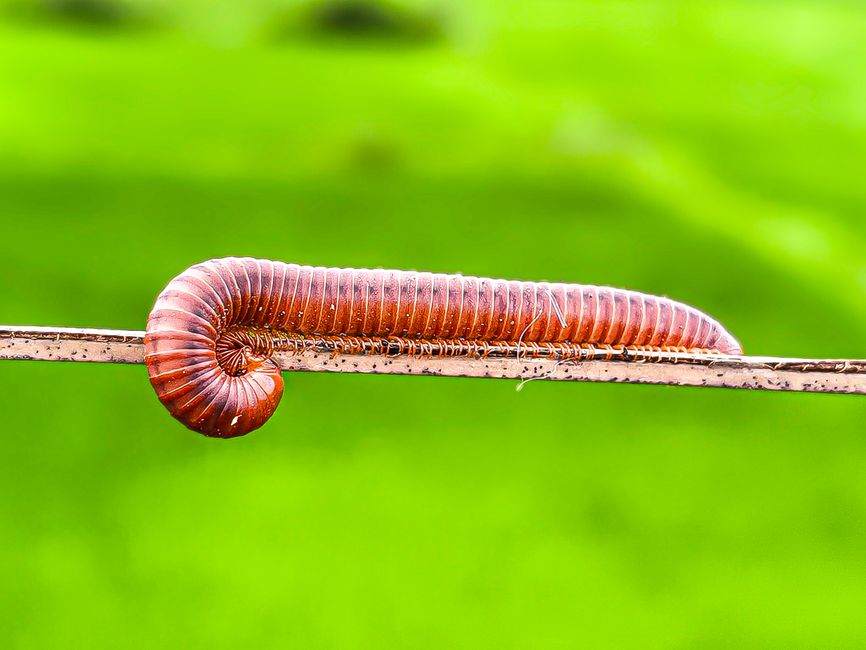
Photo by SANTOSH KUMAR MEHER on Pexels
Annelids are characterized by their segmented bodies, which allow for specialized functions in different segments and efficient movement.
- Key Features:
- Segmentation (metamerism): Body divided into repeating segments, often visible externally as rings.
- Coelomate: Possess a true coelom (body cavity) that is often divided by septa (internal walls).
- Closed circulatory system: Blood is contained within vessels.
- Hydrostatic skeleton: Fluid-filled coelom provides support for movement.
- Setae: Bristle-like structures (absent in leeches) for movement.
- Examples: Earthworms, leeches, marine polychaetes.
Phylum Mollusca (Molluscs)
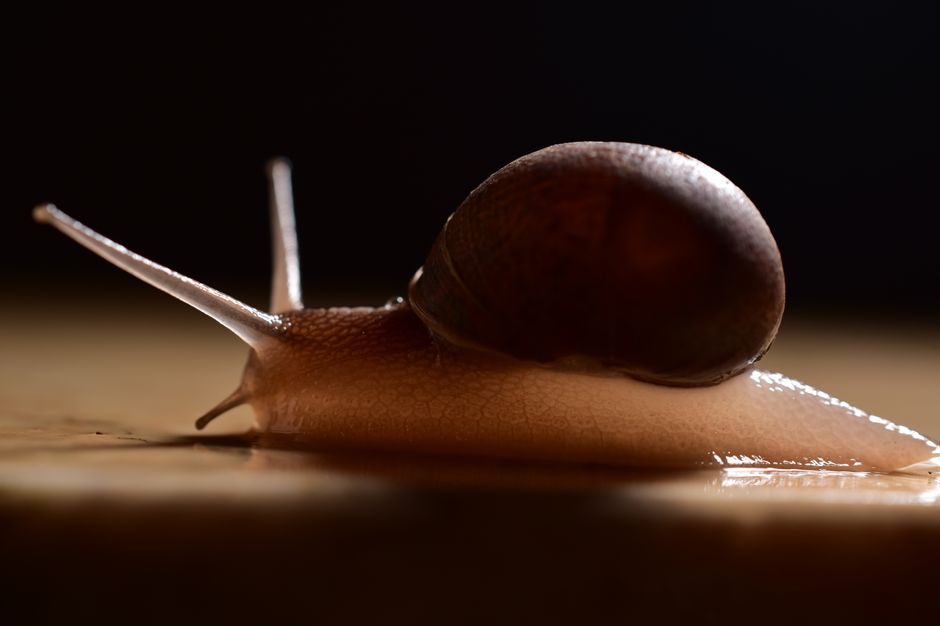
Photo by MAG Photography on Pexels
Molluscs are incredibly diverse, second only to arthropods in number of species, and are known for their soft bodies and often, protective shells.
- Key Features:
- Soft body: Usually protected by a shell.
- Body plan: Consists of a head-foot (involved in locomotion and feeding) and a visceral mass (containing organs).
- Mantle: A fold of tissue that covers the visceral mass and secretes the shell. The mantle cavity often houses gills.
- Radula: A chitinous, tongue-like structure with teeth, used for scraping food (absent in bivalves).
- Open circulatory system: Blood bathes tissues directly (except in cephalopods, which have a closed system).
- Major Classes:
- Gastropoda: Snails, slugs (most diverse group, often have coiled shells).
- Bivalvia: Clams, oysters, mussels (two-part shell, filter feeders).
- Cephalopoda: Squids, octopuses, cuttlefish (most intelligent, reduced or internal shell, predatory, closed circulatory system).
Phylum Arthropoda (Arthropods)
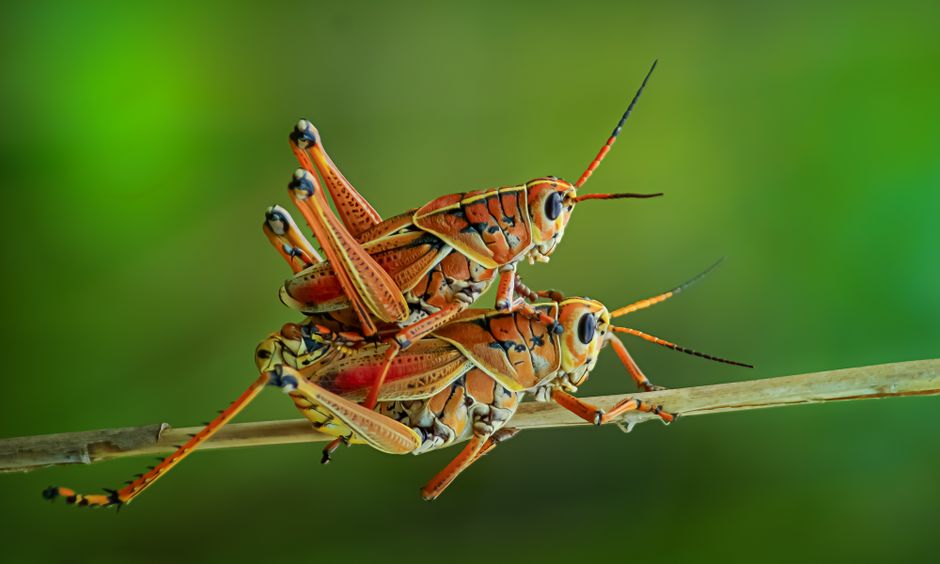
Photo by Ray Bilcliff on Pexels
Arthropods are the most successful and diverse animal phylum, dominating nearly all habitats. Their success is largely due to their versatile exoskeleton and segmented bodies.
- Key Features:
- Exoskeleton: Hard outer covering made of chitin, provides protection and support, but requires molting (ecdysis) to grow.
- Segmented body: Body divided into distinct regions (tagmata), typically head, thorax, and abdomen (can be fused, e.g., cephalothorax).
- Jointed appendages: Specialized for various functions like locomotion, feeding, sensing.
- Open circulatory system: Hemolymph (blood equivalent) circulates in a body cavity called the hemocoel.
- Complex sensory organs: Compound eyes, antennae.
- Major Subphyla/Classes:
- Chelicerata: Spiders, scorpions, ticks, mites (possess chelicerae instead of mandibles, no antennae).
- Myriapoda: Centipedes, millipedes (many body segments, many legs).
- Crustacea: Crabs, lobsters, shrimp, barnacles (mostly aquatic, often have two pairs of antennae).
- Hexapoda (Class Insecta): Insects (three body segments: head, thorax, abdomen; three pairs of legs on thorax; usually wings).
graph TD
    A[Invertebrates II] --> B(Phylum Annelida)
    A --> C(Phylum Mollusca)
    A --> D(Phylum Arthropoda)

    B --> B1(Segmented Body)
    B --> B2(True Coelom)
    B --> B3(Closed Circulatory System)

    C --> C1(Soft Body, often Shell)
    C --> C2(Mantle & Visceral Mass)
    C --> C3(Radula - most)
    C --> C4(Classes: Gastropoda, Bivalvia, Cephalopoda)

    D --> D1(Exoskeleton)
    D --> D2(Jointed Appendages)
    D --> D3(Segmented Body - Tagmata)
    D --> D4(Molting)
    D --> D5(Subphyla/Classes: Chelicerata, Myriapoda, Crustacea, Hexapoda)
Phylum Echinodermata (Echinoderms)
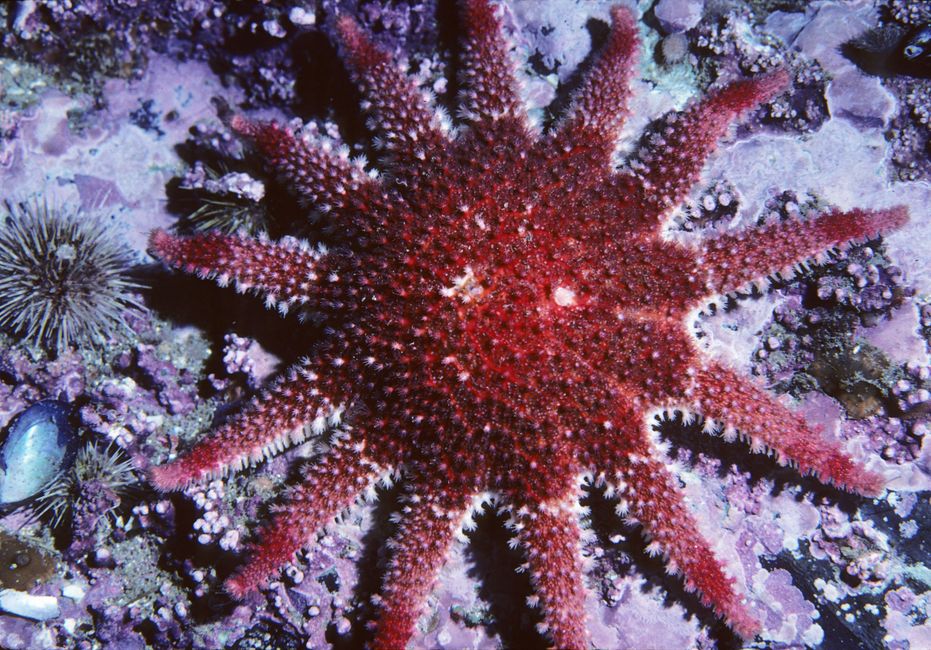
Photo by Derek Keats on Pexels
Echinoderms are exclusively marine animals known for their radial symmetry as adults and unique water vascular system.
- Key Features:
- Pentamerous radial symmetry (adults): Larvae are bilaterally symmetrical.
- Endoskeleton: Made of calcareous plates (ossicles) often with spines.
- Water vascular system: A network of fluid-filled canals that power tube feet for locomotion, feeding, and gas exchange.
- No cephalization: Lack a distinct head.
- Regeneration: Remarkable ability to regenerate lost body parts.
- Examples: Starfish, sea urchins, sea cucumbers, brittle stars.
3. Worked Example
Let's consider how a key feature, segmentation, contributes to the success of an annelid like an earthworm compared to a non-segmented flatworm.
Scenario: An earthworm and a flatworm are both trying to burrow through soil.
Flatworm (e.g., Planaria):
* Body Plan: Acoelomate, unsegmented. Movement relies on cilia and muscle contractions of the entire body.
* Burrowing: Would involve rhythmic contractions and extensions of the whole body, pushing against the soil. This is less efficient and more generalized.
Earthworm (Annelid):
* Body Plan: Segmented, true coelom. Each segment functions somewhat independently.
* Burrowing: Uses its hydrostatic skeleton in a highly efficient manner.
1. Circular muscles contract in anterior segments: This makes those segments narrow and long, pushing forward.
2. Longitudinal muscles contract in posterior segments: This makes those segments short and wide, anchoring them in place.
3. Setae: Bristles extend from anchored segments to grip the soil, preventing backward slippage.
4. Repeat: This wave of contractions moves along the body, pulling the worm through the soil.
* Advantage: Segmentation allows for localized muscle action and precise control over body shape in different regions, making burrowing much more effective and energy-efficient. It also provides redundancy; if one segment is injured, others can still function.
4. Key Takeaways
- Annelids are characterized by true segmentation, a true coelom, and a closed circulatory system.
- Molluscs have a distinctive body plan with a head-foot, visceral mass, and mantle, often protected by a shell.
- Arthropods are incredibly diverse due to their exoskeleton, jointed appendages, and segmented bodies (tagmata).
- Echinoderms are marine animals with adult radial symmetry, an endoskeleton, and a unique water vascular system.
- The evolution of segmentation and specialized appendages significantly contributed to the success of annelids and arthropods.
Common Mistakes to Avoid:
- Don't confuse the segmentation of annelids with the superficial rings on some non-segmented worms.
- Remember that not all molluscs have a visible external shell (e.g., slugs, octopuses).
- Don't forget that arthropods must molt their exoskeleton to grow.
- Confusing radial symmetry (adult echinoderms) with bilateral symmetry (larval echinoderms and most other advanced invertebrates).
5. Now Try It
Spend 15 minutes comparing and contrasting the circulatory systems of a clam (bivalve mollusc), an earthworm (annelid), and a squid (cephalopod mollusc). For each, describe if it's open or closed, what fluid circulates, and identify one advantage or disadvantage of that system for the animal's lifestyle.
What success looks like: You should be able to correctly identify the circulatory system type for each animal, name the fluid (blood or hemolymph), and articulate a relevant functional implication (e.g., efficiency for active predators vs. less active filter feeders).
Frequently asked about Animal Diversity (Invertebrates II)
Study this next
Get the full SZL 111 _Zoology curriculum
Clone the complete plan to your dashboard for unlimited AI-generated notes, practice quizzes, and a personalised revision schedule.
Save this course free