Introduction to Zoology and Classification
From the SZL 111 _Zoology curriculum
TL;DR
Zoology is the scientific study of animals, covering everything from tiny cells to complex ecosystems. Classifying animals helps us organize their vast diversity based on shared evolutionary history and characteristics. This system uses a hierarchical structure to group organisms, making it easier to understand their relationships.
1. The Mental Model
Think of zoology as a giant puzzle where each animal is a piece, and classification is the instruction manual that helps you put the pieces together in a logical way, revealing the bigger picture of life on Earth.
2. The Core Material
Zoology is a huge field that explores the animal kingdom in every possible way. We look at their structure (anatomy), how their bodies work (physiology), how they develop (embryology), their behavior (ethology), how they interact with their environment (ecology), and their evolutionary history. Understanding animals is crucial because they're a vital part of our planet's ecosystems and directly impact human life.
Why Classify Animals?
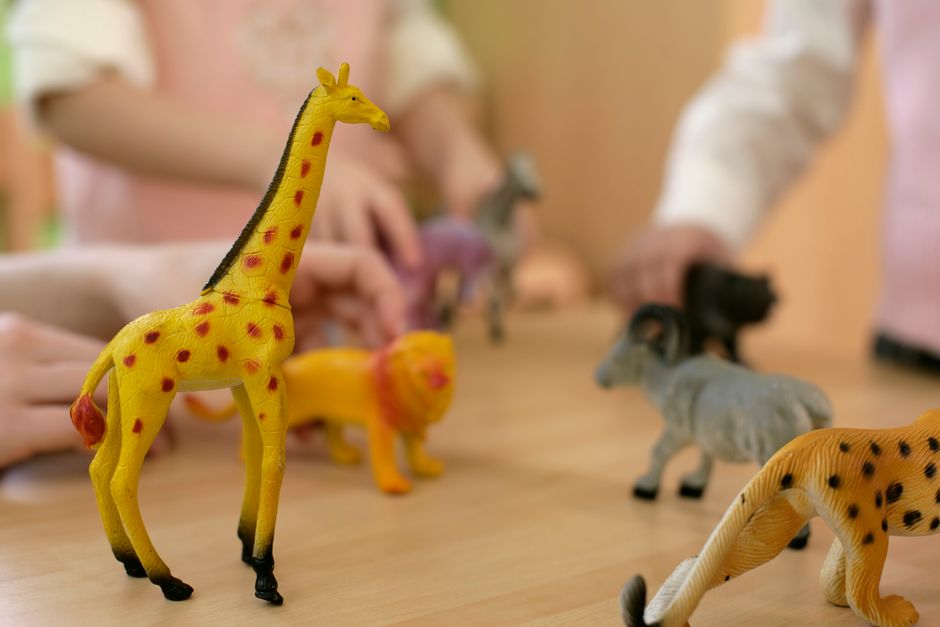
Photo by BOOM 💥 Photography on Pexels
Imagine trying to talk about "a type of bird" without specific names. It'd be chaos! Classification, also known as taxonomy or systematics, provides a universal language to name, describe, and group organisms. This system helps us:
* Organize diversity: There are millions of animal species; classification puts them into understandable categories.
* Show relationships: It reveals evolutionary links between different groups.
* Predict characteristics: If you know an animal's group, you can often guess some of its traits.
* Communicate clearly: Scientists worldwide can understand exactly which animal is being discussed.
The Linnaean System

Photo by Mikhail Nilov on Pexels
The most common classification system was developed by Carl Linnaeus. It's a hierarchical system, meaning it uses a series of nested ranks, like a set of Russian dolls. Each rank is a progressively smaller and more specific group.
Here are the main ranks, from broadest to most specific:
- Domain: The highest rank (e.g., Eukarya for all animals).
- Kingdom: The second highest (e.g., Animalia for all animals).
- Phylum: Major divisions within a kingdom (e.g., Chordata for vertebrates).
- Class: Groups within a phylum (e.g., Mammalia for mammals).
- Order: Groups within a class (e.g., Primates for monkeys, apes, humans).
- Family: Groups within an order (e.g., Hominidae for great apes and humans).
- Genus: Closely related species (e.g., Homo for humans).
- Species: The most specific rank; a group of organisms that can interbreed and produce fertile offspring (e.g., sapiens for modern humans).
Remembering the order can be tricky, so use a mnemonic like "King Phillip Came Over For Good Spaghetti."
Binomial Nomenclature

Photo by Arsel Ozgurdal on Pexels
One of Linnaeus's most important contributions is binomial nomenclature, which means "two-name naming." Every species gets a unique two-part scientific name:
- The first part is the Genus name. It's always capitalized.
- The second part is the species epithet. It's never capitalized.
Both parts are always italicized (or underlined if handwritten). For example, humans are Homo sapiens. The genus tells you it's related to other Homo species, and sapiens specifically identifies our species. This ensures there's no confusion, as common names can vary widely by region.
graph TD
    A["Domain (Eukarya)"] --> B["Kingdom (Animalia)"]
    B --> C["Phylum (Chordata)"]
    C --> D["Class (Mammalia)"]
    D --> E["Order (Primates)"]
    E --> F["Family (Hominidae)"]
    F --> G["Genus (Homo)"]
    G --> H["Species (sapiens)"]
3. Worked Example
Let's classify a common animal you might know: the domestic dog.
- Domain: Eukarya (they have cells with a nucleus)
- Kingdom: Animalia (they're multicellular, heterotrophic, move, etc.)
- Phylum: Chordata (they have a backbone/notochord)
- Class: Mammalia (they have hair, mammary glands, warm-blooded)
- Order: Carnivora (they're meat-eaters, though dogs are omnivorous now)
- Family: Canidae (they're in the dog family, including wolves, foxes)
- Genus: Canis (this genus includes wolves, coyotes, jackals)
- Species: familiaris (this specific epithet refers to the domestic dog)
So, the scientific name for the domestic dog is Canis familiaris. You can see how this classification places the dog within broader groups like mammals, and then narrows it down to its specific kind. It also clearly shows its close relationship to other Canis species like the gray wolf (Canis lupus).
4. Key Takeaways
- Zoology is the broad study of animals, covering their structure, function, development, behavior, and evolution.
- Classification (taxonomy) helps us organize the immense diversity of animal life.
- The Linnaean system uses a hierarchy: Domain, Kingdom, Phylum, Class, Order, Family, Genus, Species.
- Binomial nomenclature gives each species a unique, two-part scientific name (Genus species), always italicized.
- Scientific names provide clarity and avoid confusion caused by common names.
- Classification reflects evolutionary relationships between different groups of animals.
Common Mistakes to Avoid

Photo by KATRIN BOLOVTSOVA on Pexels
- Don't forget to italicize or underline scientific names.
- Always capitalize the Genus name but never the species epithet.
- Confusing the order of the hierarchical ranks (e.g., putting family before order).
- Thinking that common names are sufficient for scientific communication.
- Believing that classification is static; it can change as new evidence emerges.
5. Now Try It
Choose any animal you like (e.g., a lion, a butterfly, a frog). Your task is to find its complete hierarchical classification, from Domain down to Species, and write out its scientific name correctly. Then, briefly explain what two or three of those classification levels (e.g., Phylum, Class) tell you specifically about that animal's general characteristics.
What success looks like: You'll have a list of all 8 classification ranks for your chosen animal, with its correct binomial scientific name properly formatted, and a short explanation connecting classification levels to the animal's traits.
Frequently asked about Introduction to Zoology and Classification
Study this next
Get the full SZL 111 _Zoology curriculum
Clone the complete plan to your dashboard for unlimited AI-generated notes, practice quizzes, and a personalised revision schedule.
Save this course free