Evolutionary Principles and Animal Diversity (Invertebrates I)
From the SZL 111 _Zoology curriculum
TL;DR
Evolution explains the incredible variety of life through natural selection acting on heritable traits. Animals are broadly categorized, with invertebrates representing the vast majority of diversity. Understanding these principles helps us classify and make sense of the relationships among different invertebrate groups.
1. The Mental Model
Think of evolution as a powerful sculptor, constantly refining living forms over vast periods. This sculptor uses "natural selection" as its chisel, preferentially keeping the traits that help organisms survive and reproduce. Animal diversity is simply the amazing collection of sculptures this process has created.
2. The Core Material
Evolution is the process by which populations of organisms change over generations. It's driven by several core mechanisms, primarily natural selection.
Natural Selection in a Nutshell
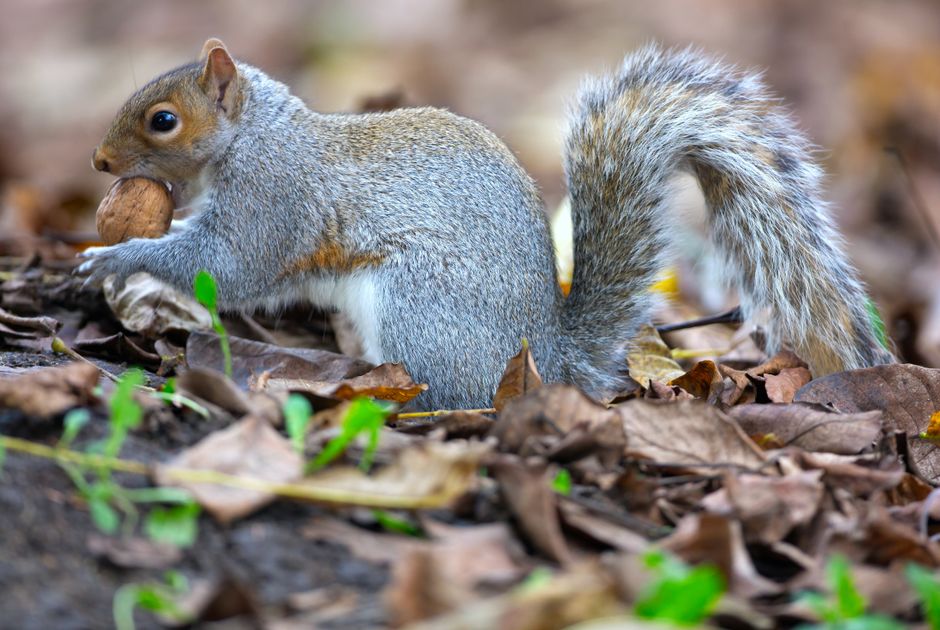
Photo by DANNIEL CORBIT on Pexels
For natural selection to occur, you need:
1. Variation: Individuals in a population aren't identical; they have different traits.
2. Heritability: These traits can be passed down from parents to offspring.
3. Differential Survival/Reproduction: Some individuals with certain traits survive and reproduce more successfully than others in a given environment.
Over time, advantageous traits become more common in the population, while less advantageous ones become rarer. This leads to adaptation, where organisms become better suited to their environment.
Speciation
When populations become reproductively isolated (e.g., by a geographical barrier), they can diverge over long periods, eventually becoming distinct species that can no longer interbreed. This is how new species arise.
Animal Classification (Taxonomy)
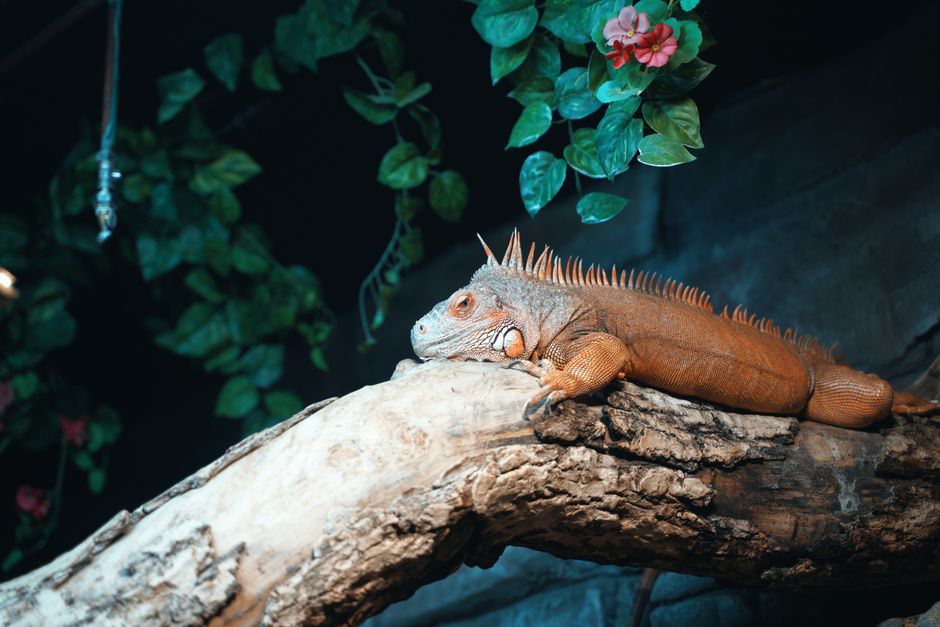
Photo by Cameron Gawn on Pexels
To make sense of the millions of animal species, we use a hierarchical classification system called taxonomy. This system groups organisms based on shared evolutionary history and characteristics.
Here's the general hierarchy, from broadest to most specific:
* Domain (e.g., Eukarya)
* Kingdom (e.g., Animalia)
* Phylum (e.g., Chordata, Arthropoda)
* Class
* Order
* Family
* Genus
* Species
What are Invertebrates?
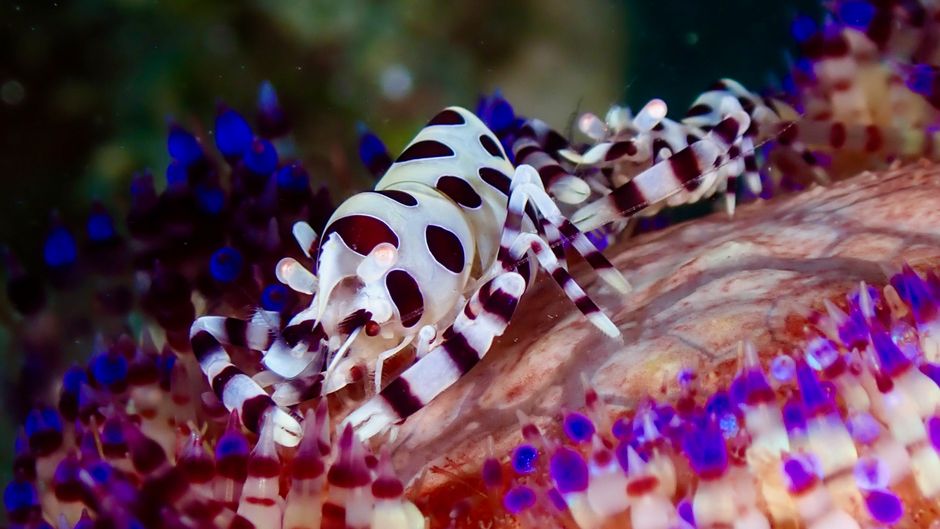
Photo by Chris Spain on Pexels
Invertebrates are animals that lack a vertebral column (backbone). They make up over 95% of all known animal species and represent an incredibly diverse group. Their evolutionary history spans billions of years, giving rise to an astonishing array of body plans and lifestyles.
Here's a simplified look at the evolutionary relationships among some key invertebrate groups:
graph TD
    A["Common Ancestor (Protists)"] --> B["Multicellularity"]
    B --> C["Sponges (Porifera)"]
    B --> D["Cnidarians (Jellyfish, Corals)"]
    D --> E["Flatworms (Platyhelminthes)"]
    D --> F["Nematodes (Roundworms)"]
    D --> G["Molluscs (Snails, Clams, Octopuses)"]
    D --> H["Annelids (Segmented Worms)"]
    D --> I["Arthropods (Insects, Spiders, Crustaceans)"]
    style C fill:#f9f,stroke:#333,stroke-width:2px
    style D fill:#bbf,stroke:#333,stroke-width:2px
    style E fill:#bfb,stroke:#333,stroke-width:2px
    style F fill:#fbb,stroke:#333,stroke-width:2px
    style G fill:#ffb,stroke:#333,stroke-width:2px
    style H fill:#bbf,stroke:#333,stroke-width:2px
    style I fill:#fbf,stroke:#333,stroke-width:2px
This diagram shows a simplified phylogenetic tree. The "branches" represent evolutionary lineages, and the "nodes" where branches split indicate a common ancestor. For example, Cnidarians, Flatworms, Nematodes, Molluscs, Annelids, and Arthropods all share a more recent common ancestor with each other than they do with Sponges.
Key Invertebrate Phyla (Initial Focus)
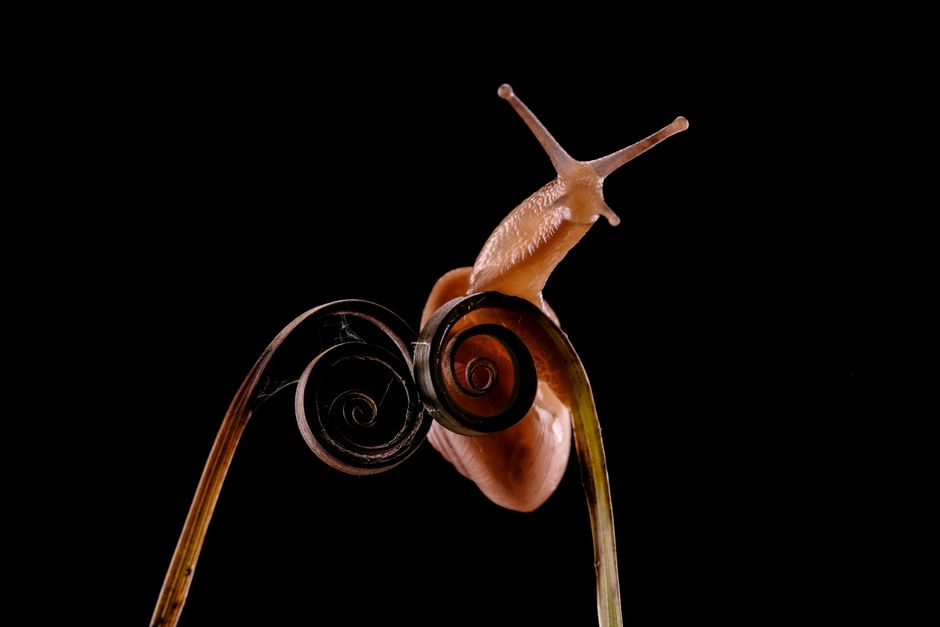
Photo by Priyo Utomo on Pexels
- Porifera (Sponges): Simplest multicellular animals, sessile filter feeders, no true tissues.
- Cnidaria (Jellyfish, Corals, Anemones): Radial symmetry, true tissues, stinging cells (cnidocytes).
- Platyhelminthes (Flatworms): Bilateral symmetry, first sign of organ systems, e.g., planarians, tapeworms.
- Nematoda (Roundworms): Unsegmented, pseudocoelom, often parasitic.
- Mollusca (Snails, Clams, Octopuses): Soft-bodied, usually with a shell, mantle, and foot.
- Annelida (Segmented Worms): Segmented bodies, e.g., earthworms, leeches.
- Arthropoda (Insects, Spiders, Crustaceans): Exoskeleton, jointed appendages, segmented bodies; the most diverse phylum.
3. Worked Example
Let's consider the evolution of camouflage in the Praying Mantis (an Arthropod).
- Variation: Within a mantis population, some individuals might be slightly greener, some browner, some with slightly more jagged edges on their bodies or limbs.
- Heritability: The genes that contribute to these slight variations in color and body shape are passed down to their offspring.
- Differential Survival/Reproduction: In an environment with green leaves and twigs, a mantis that is slightly greener or has a body shape that mimics a twig will be better hidden from predators (like birds) and prey (like insects). These camouflaged individuals are more likely to survive to adulthood, find a mate, and reproduce. Less camouflaged mantises are more likely to be eaten before they can reproduce.
Over many generations, this process leads to the elaborate and effective camouflage we see in modern praying mantises, perfectly adapted to blend into their surroundings. The population as a whole becomes better camouflaged because the traits contributing to camouflage are favored by natural selection.
4. Key Takeaways
- Evolution is the change in heritable traits of biological populations over successive generations.
- Natural selection is the primary mechanism of evolution, requiring variation, heritability, and differential survival/reproduction.
- Adaptation refers to the traits that enhance an organism's survival and reproduction in its specific environment.
- Taxonomy is the hierarchical system used to classify organisms based on shared characteristics and evolutionary relationships.
- Invertebrates are animals without a backbone, representing the vast majority of animal diversity and occupying almost every habitat.
- Phylogenetic trees (like the Mermaid diagram) illustrate the evolutionary relationships and common ancestry among different groups.
Common Mistakes to Avoid:
- Thinking individuals evolve; populations evolve over generations, not single organisms.
- Believing evolution has a goal or is "progressing" towards perfection; it's a response to current environmental conditions.
- Confusing "invertebrate" as a formal taxonomic group like a Phylum; it's a descriptive, informal grouping.
- Assuming simpler animals like sponges didn't evolve; they are highly evolved for their specific niches.
5. Now Try It
Choose two different invertebrate phyla from the list (e.g., Porifera and Arthropoda). For each phylum, list three distinct characteristics (e.g., body plan, presence/absence of tissues, type of symmetry, habitat). Then, briefly explain how one of these characteristics in each phylum might have been an advantage that was favored by natural selection in their early evolutionary history.
What success looks like: You'll have identified specific features for each phylum and provided a plausible, brief explanation of how that feature could have conferred a survival or reproductive advantage.
Frequently asked about Evolutionary Principles and Animal Diversity (Invertebrates I)
Study this next
Get the full SZL 111 _Zoology curriculum
Clone the complete plan to your dashboard for unlimited AI-generated notes, practice quizzes, and a personalised revision schedule.
Save this course free