Advanced Vertebrate Zoology and Ecological Interactions
From the SZL 111 _Zoology curriculum
TL;DR
This topic dives deeper into the diversity, evolution, and adaptations of vertebrates, focusing on how they interact with their environments and other species. You'll explore complex ecological concepts like population dynamics, community structures, and ecosystem functioning through the lens of vertebrate life. Understanding these interactions is key to appreciating the intricate web of life and the roles vertebrates play within it.
1. The Mental Model
Think of vertebrates as the "main characters" in many ecological stories. Their unique evolutionary paths have given them diverse tools to survive and thrive, but these tools also shape how they interact with their surroundings and influence the entire ecosystem.
2. The Core Material
Advanced vertebrate zoology moves beyond basic classification to understand the "why" and "how" of vertebrate life. It integrates evolutionary biology, physiology, and ecology to paint a complete picture.
2.1 Vertebrate Evolutionary Adaptations
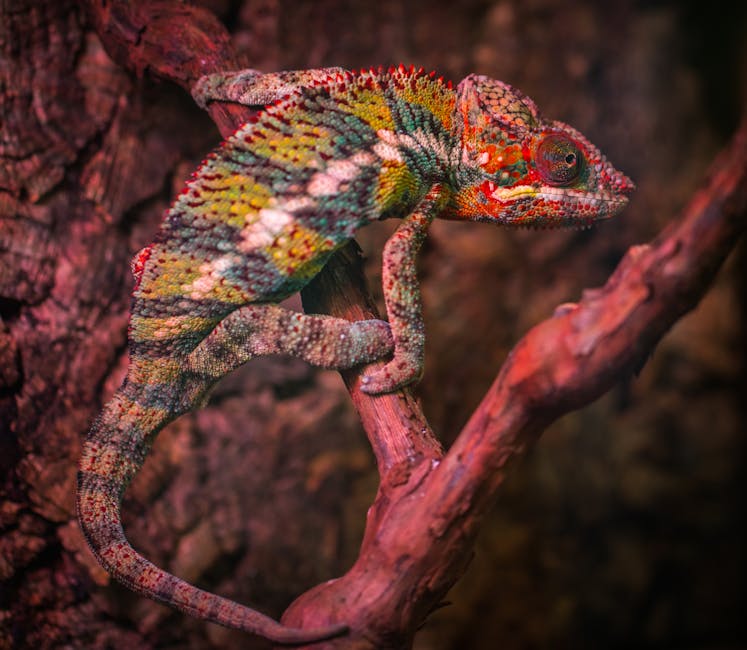
Photo by Egor Kamelev on Pexels
Vertebrates have evolved an incredible array of adaptations. These aren't just physical traits; they include behavioral, physiological, and even molecular changes that allow them to occupy diverse niches. For example, birds' feathers for flight, fish gills for aquatic respiration, or mammals' endothermy for temperature regulation are all key adaptations. We'll look at these in more detail, considering the selective pressures that drove their evolution.
2.2 Population Dynamics of Vertebrates
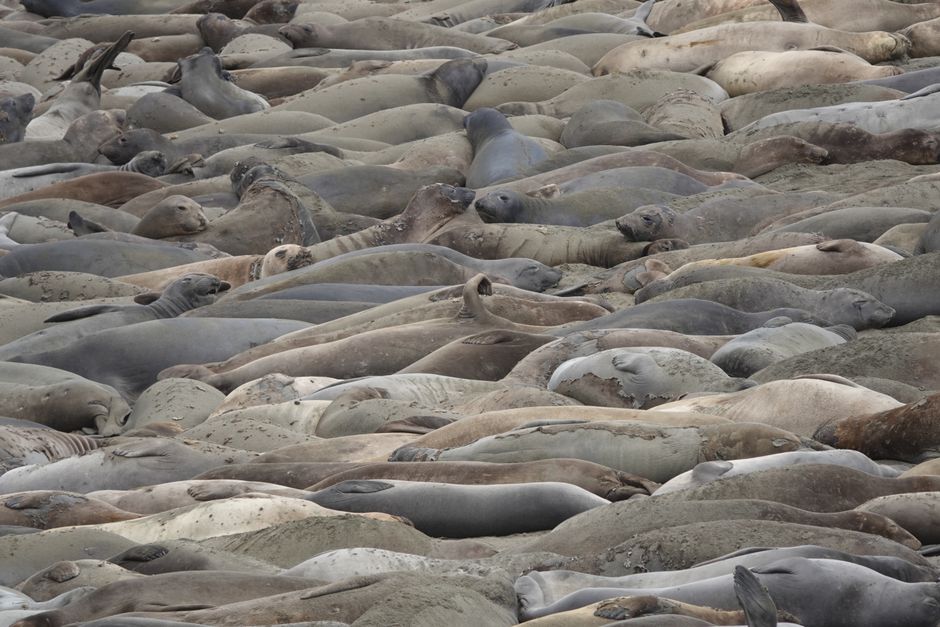
Photo by Laura Musikanski on Pexels
Understanding how vertebrate populations change over time is crucial. This involves studying birth rates, death rates, immigration, and emigration. Factors like resource availability, predation, disease, and habitat loss all influence these dynamics. You'll learn about different growth models (e.g., exponential vs. logistic) and how they apply to real-world vertebrate populations.
2.3 Community Ecology and Vertebrates
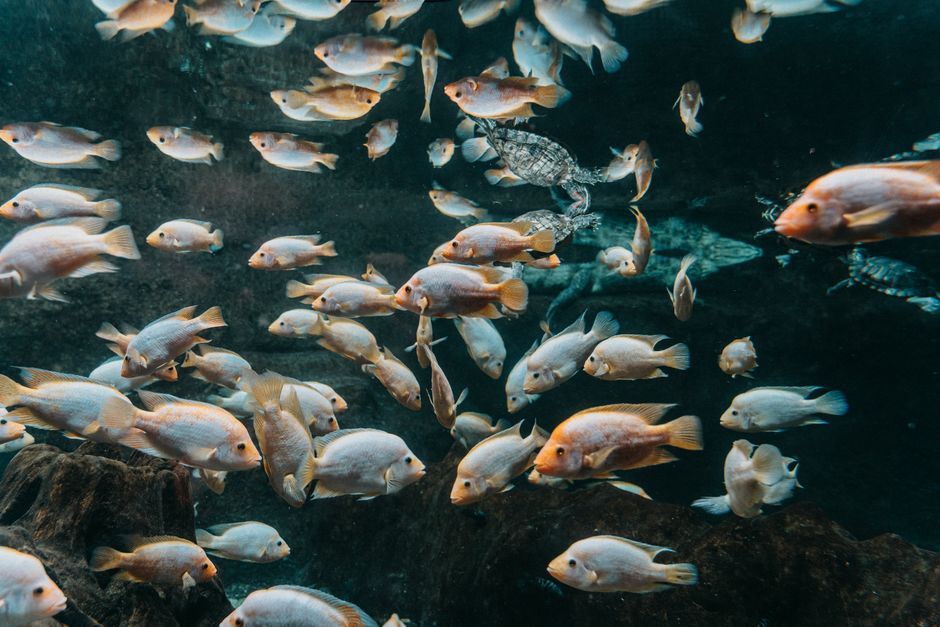
Photo by Siarhei Nester on Pexels
Vertebrates don't live in isolation. Community ecology examines how different species interact within a shared area. Key interactions include:
* Predation: One species (predator) kills and consumes another (prey).
* Competition: Two or more species require the same limited resources. This can be interspecific (between different species) or intraspecific (within the same species).
* Symbiosis: Close, long-term interactions between species. This includes:
* Mutualism: Both species benefit (e.g., cleaner fish and larger fish).
* Commensalism: One benefits, the other is unaffected (e.g., barnacles on whales).
* Parasitism: One benefits at the expense of the other (e.g., ticks on deer).
2.4 Ecosystem Roles of Vertebrates
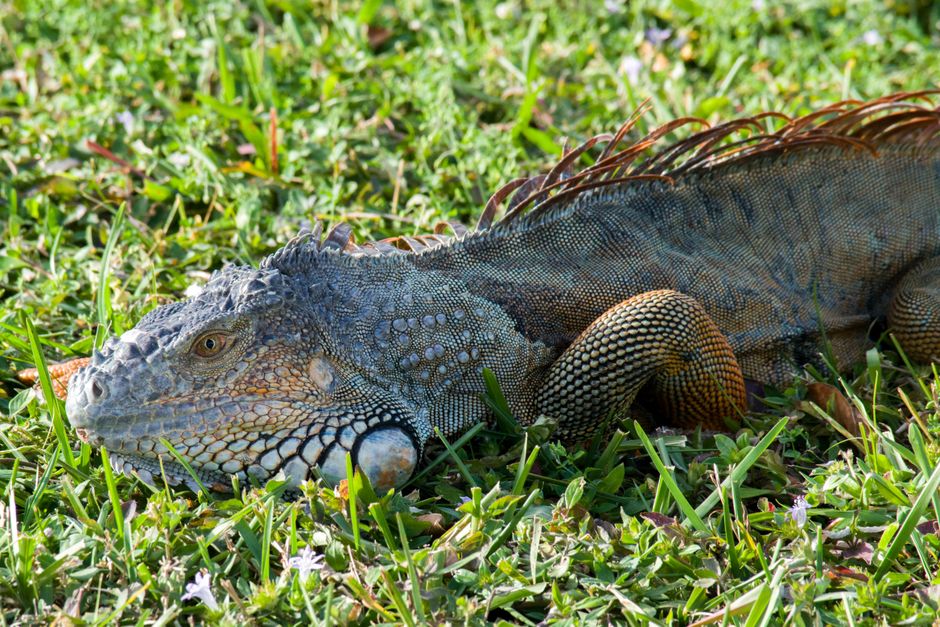
Photo by Jason M on Pexels
Vertebrates play critical roles in ecosystem functioning. They can be:
* Producers: (Rarely, but some amphibians have algal symbionts)
* Primary Consumers (Herbivores): Graze on plants (e.g., deer, rabbits).
* Secondary Consumers (Carnivores/Omnivores): Eat other animals or both plants and animals (e.g., wolves, bears).
* Tertiary Consumers: Eat secondary consumers (e.g., eagles eating snakes).
* Decomposers/Scavengers: Break down dead organic matter (e.g., vultures).
Their feeding habits, movements, and even their waste products can significantly influence nutrient cycling, energy flow, and habitat structure. For instance, beavers dramatically alter aquatic habitats by building dams.
Here's a diagram showing how different ecological interactions can influence a vertebrate population:
graph TD
    A["Vertebrate Population Size"] --> B{Resource Availability};
    B -- Low Resources --> C["Increased Intraspecific Competition"];
    C --> D["Lower Birth Rates / Higher Death Rates"];
    B -- High Resources --> E["Higher Birth Rates / Lower Death Rates"];
    A --> F{Predator Presence};
    F -- High Predation --> D;
    F -- Low Predation --> E;
    A --> G{Disease Outbreaks};
    G -- Present --> D;
    G -- Absent --> E;
    A --> H{Habitat Quality};
    H -- Poor Quality --> D;
    H -- Good Quality --> E;
3. Worked Example
Let's consider the ecological interactions of wolves (a vertebrate carnivore) and moose (a vertebrate herbivore) on Isle Royale.
Scenario: Isle Royale is an isolated island ecosystem in Lake Superior. For decades, wolves have been the primary predators of moose, which are the primary herbivores.
Analysis:
1. Population Dynamics: When the wolf population is high, moose numbers tend to decline due to increased predation. Conversely, a decline in wolves often leads to an increase in moose, which can then overgraze vegetation. This creates a classic predator-prey cycle.
2. Predation: This is the direct interaction. Wolves regulate moose populations by preying on them, often targeting the young, old, or sick.
3. Competition: Moose compete intraspecifically for vegetation, especially when their numbers are high. Wolves compete intraspecifically for moose.
4. Ecosystem Role: Moose act as primary consumers, impacting plant communities. Wolves act as secondary consumers, regulating moose and thus indirectly influencing plant communities. Their presence creates a "trophic cascade" where the top predator influences all lower trophic levels. For example, fewer moose due to wolf predation means more vegetation can grow.
This example shows how vertebrate populations are tightly linked through direct and indirect ecological interactions, demonstrating complex community dynamics.
4. Key Takeaways
- Vertebrates show a vast range of evolutionary adaptations that allow them to thrive in diverse environments.
- Population dynamics are influenced by birth rates, death rates, and movement, all impacted by environmental factors.
- Vertebrate communities are shaped by interactions like predation, competition, mutualism, commensalism, and parasitism.
- Vertebrates occupy various trophic levels, from herbivores to top predators, significantly influencing energy flow and nutrient cycling.
- Their roles can create trophic cascades, where changes at one level impact others throughout the ecosystem.
- Understanding these interactions is crucial for conservation and managing ecosystems.
Common Mistakes to Avoid:
* Viewing species in isolation: Remember that all species are interconnected.
* Overlooking indirect effects: A change in one species can have ripple effects through the food web.
* Confusing correlation with causation: Just because two populations change together doesn't mean one directly causes the other without further investigation.
* Ignoring environmental context: Habitat, climate, and resource availability are fundamental drivers of ecological interactions.
5. Now Try It
Choose a specific vertebrate species you're familiar with (e.g., a local bird, a fish, a mammal). For that species, describe:
1. One significant evolutionary adaptation it possesses.
2. Two types of ecological interactions it engages in with other species in its environment (e.g., what does it eat? What eats it? Does it compete with other species?).
3. Its primary role in its ecosystem (e.g., herbivore, carnivore, seed disperser).
Success looks like: Clearly identifying the adaptation, detailing at least two distinct interactions (predation, competition, mutualism, etc.), and accurately describing its ecological role with a brief explanation.
Frequently asked about Advanced Vertebrate Zoology and Ecological Interactions
Study this next
Get the full SZL 111 _Zoology curriculum
Clone the complete plan to your dashboard for unlimited AI-generated notes, practice quizzes, and a personalised revision schedule.
Save this course free