Bud and Flower Morphology
From the Lab notes (1-5) curriculum
TL;DR
You'll learn about the structure of buds and flowers, which are key for plant reproduction. We'll cover the main parts, their functions, and how they develop. Understanding these details helps you identify plants and grasp how they make seeds.
1. The Mental Model
Think of buds as tiny, undeveloped plants waiting to grow into stems, leaves, or flowers. Flowers themselves are specialized leaves, highly modified for reproduction, designed to attract pollinators and produce seeds. Their structure is all about making and protecting the next generation.
2. The Core Material
Buds are embryonic shoots, often protected by scales. They contain all the necessary parts for future growth, compactly arranged. Flowers, on the other hand, are reproductive organs.
Bud Types
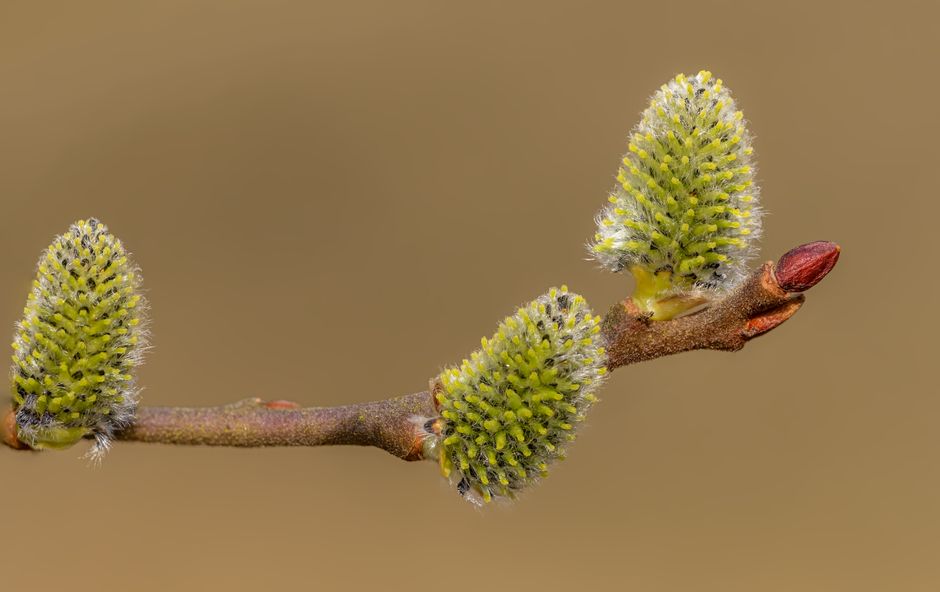
Photo by Petr Ganaj on Pexels
Buds are classified in several ways:
- By Location:
- Apical/Terminal Buds: Found at the tip of a stem, responsible for primary growth (lengthening).
- Axillary/Lateral Buds: Found in the axil (angle) between a leaf and a stem, can develop into branches or flowers.
- Adventitious Buds: Develop anywhere else on the plant, like roots or internodes.
- By Development:
- Vegetative Buds: Contain embryonic leaves and stems.
- Flower/Floral Buds: Contain embryonic flowers.
- Mixed Buds: Contain both embryonic leaves/stems and flowers.
- By Protection:
- Scaly Buds: Covered by protective scales (e.g., horse chestnut).
- Naked Buds: Lack scales (e.g., viburnum).
Flower Structure (Morphology)
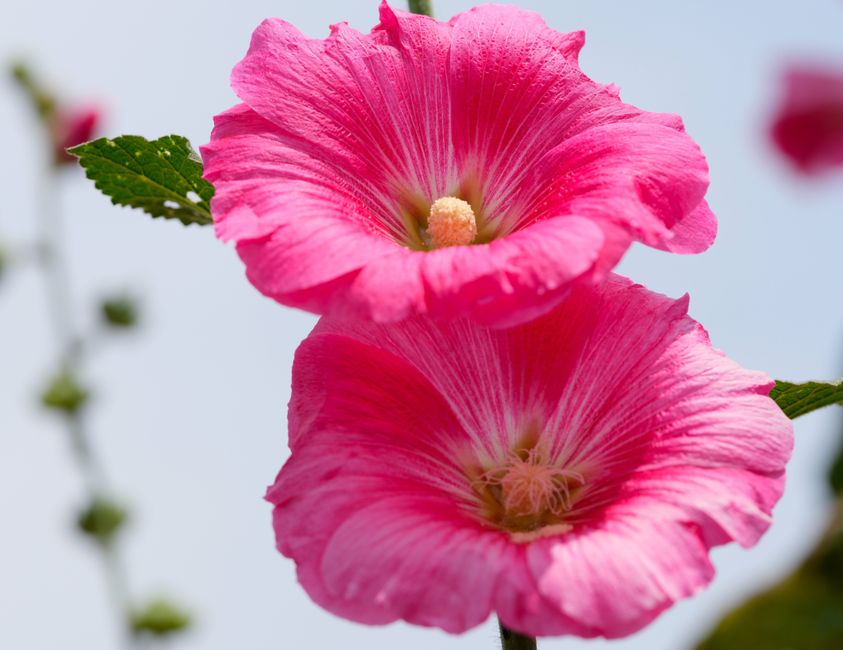
Photo by hartono subagio on Pexels
A typical flower is composed of four main whorls (sets of organs), arranged on a receptacle (the part of the stem to which the flower attaches).
graph TD
    A["Flower"] --> B["Calyx (Sepals)"]
    A --> C["Corolla (Petals)"]
    A --> D["Androecium (Stamens)"]
    A --> E["Gynoecium (Pistil/Carpels)"]

    B --> F["Protect the bud"]
    C --> G["Attract pollinators"]
    D --> H["Produce pollen (male)"]
    E --> I["Produce ovules (female)"]
    D --> J["Anther"]
    D --> K["Filament"]
    E --> L["Stigma"]
    E --> M["Style"]
    E --> N["Ovary"]
- 1. Calyx: The outermost whorl, made up of sepals. Sepals are typically green and leaf-like, protecting the developing bud.
- 2. Corolla: The next whorl, consisting of petals. Petals are often brightly colored and fragrant to attract pollinators.
- 3. Androecium: The male reproductive part, composed of one or more stamens. Each stamen has:
- Filament: A stalk supporting the anther.
- Anther: Contains pollen sacs where pollen grains (male gametes) are produced.
- 4. Gynoecium (Pistil): The female reproductive part, made of one or more carpels. A carpel typically has three parts:
- Stigma: The receptive tip that catches pollen.
- Style: The stalk connecting the stigma to the ovary.
- Ovary: Contains one or more ovules, which develop into seeds after fertilization. The ovary matures into a fruit.
A flower having all four whorls is called a complete flower. If any whorl is missing, it's an incomplete flower. If it has both male and female reproductive parts, it's a perfect flower; otherwise, it's an imperfect flower.
3. Worked Example
Let's analyze a common buttercup (genus Ranunculus).
When you look at a buttercup bud, you'll see small, green, scale-like structures enclosing it. These are the sepals, forming the calyx, protecting the developing flower. As the bud opens, five bright yellow structures unfurl—these are the petals, making up the corolla, designed to attract insects. Inside, you'll find numerous yellow structures, each with a slender stalk topped by a small, oval head. These are the stamens, with their filaments and anthers (covered in pollen). In the very center, a cluster of green, slightly sticky structures forms the gynoecium (or multiple simple pistils in buttercups). Each little structure here is a carpel, with its tiny stigma on top, a short style, and an ovary at the base containing ovules. Because the buttercup has sepals, petals, stamens, and carpels, it's a complete and perfect flower.
4. Key Takeaways
- Buds are undeveloped shoots containing embryonic leaves, stems, or flowers.
- Flowers are specialized reproductive structures of plants, made of four main whorls.
- The calyx (sepals) protects the bud, and the corolla (petals) attracts pollinators.
- The androecium (stamens with anthers and filaments) produces pollen.
- The gynoecium (pistil with stigma, style, and ovary) contains ovules.
-
Complete flowers have all four whorls; perfect flowers have both male and female parts.
-
Common Mistakes to Avoid:
- Confusing sepals with petals; sepals are typically outer and green, petals are inner and often showy.
- Mixing up the male (stamen) and female (pistil) parts of a flower.
- Forgetting that the ovary develops into the fruit and ovules into seeds.
- Assuming all flowers are complete and perfect; many plant species have incomplete or imperfect flowers.
5. Now Try It
Go find a flower outside (e.g., a rose, a daisy, or even a dandelion). Carefully dissect it using tweezers or your fingers. Try to identify and label each of the four main whorls (sepals, petals, stamens, pistil). Can you find the anthers and the stigma? Determine if your flower is complete/incomplete and perfect/imperfect. Success means you can clearly point to and name at least three different whorls on your flower.
Frequently asked about Bud and Flower Morphology
More from Lab notes (1-5)
Get the full Lab notes (1-5) curriculum
Clone the complete plan to your dashboard for unlimited AI-generated notes, practice quizzes, and a personalised revision schedule.
Save this course free