Hydrangea and Birch Species Differentiation
From the Lab notes (1-5) curriculum
TL;DR
You'll learn to tell Hydrangea and Birch species apart by focusing on distinct leaf, bark, and flower/fruit characteristics. Key differences like leaf arrangement and bark exfoliation provide reliable identification clues. Mastering these traits will help you accurately differentiate between these common genera.
1. The Mental Model
Think of plant identification like solving a puzzle where each plant part (leaf, bark, flower) is a unique piece. You're looking for specific features on each piece that, when combined, create a clear picture allowing you to distinguish between Hydrangeas and Birches.
2. The Core Material
Differentiating between Hydrangea and Birch species relies on observing their distinct morphological features. While both are common woody plants, they have easily identifiable characteristics.
2.1 Leaf Characteristics
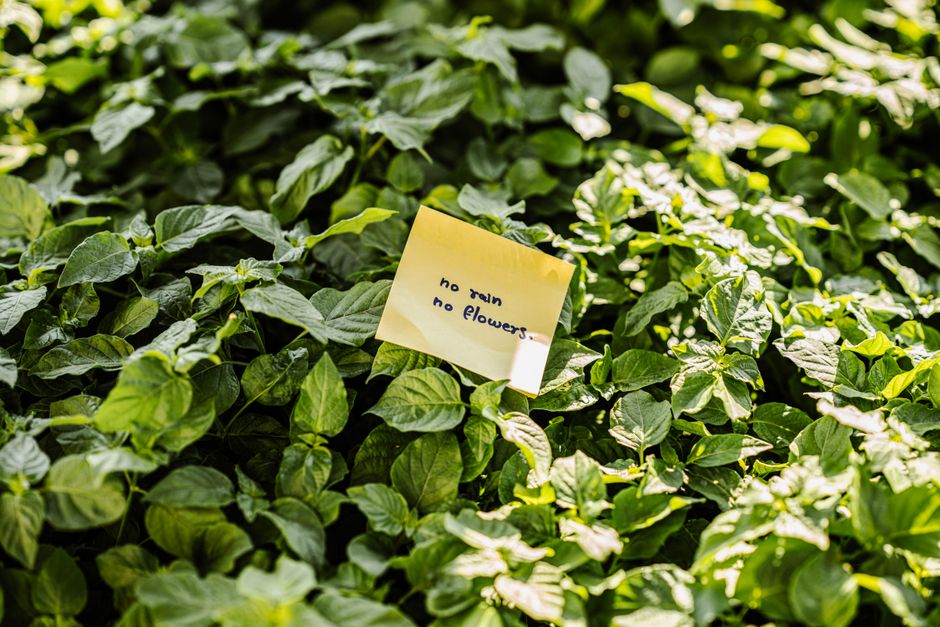
Photo by aboodi vesakaran on Pexels
Leaves are often the easiest and most reliable feature for initial identification.
-
Hydrangea:
- Arrangement: Typically opposite (two leaves per node, directly across from each other). Some species might have whorled arrangements.
- Shape: Usually simple, ovate to elliptic, often with serrated or toothed margins.
- Texture: Can range from smooth to slightly rough.
- Venation: Pinnate venation (veins branching off a central midrib).
-
Birch ( Betula spp.):
- Arrangement: Always alternate (one leaf per node, staggered along the stem).
- Shape: Simple, often ovate or triangular, with doubly serrated margins (smaller teeth on larger teeth).
- Texture: Typically smooth, sometimes slightly sticky when young.
- Venation: Pinnate venation.
2.2 Bark Characteristics
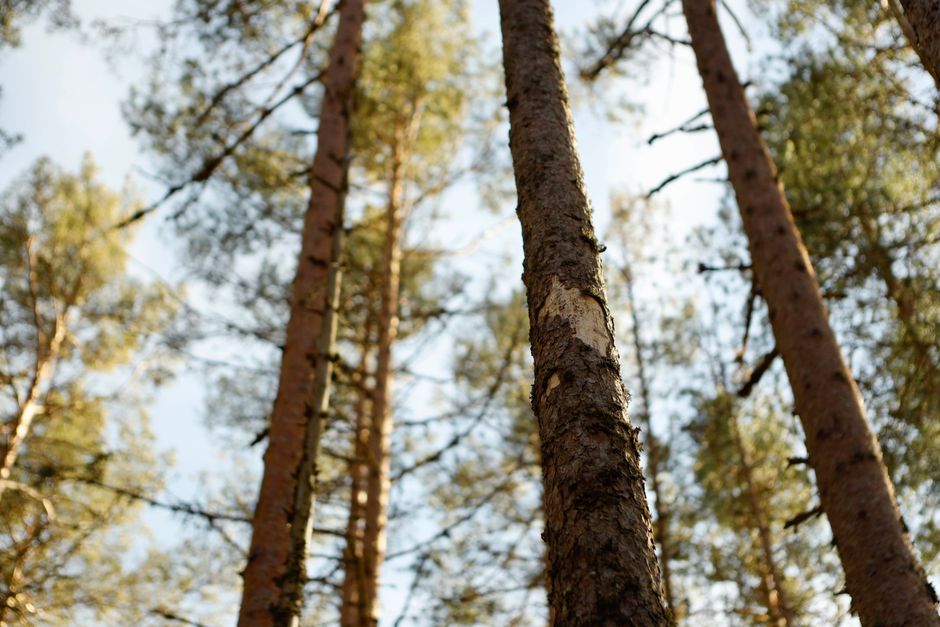
Photo by Vladislav Šmigelski on Pexels
Bark provides excellent clues, especially for mature specimens.
-
Hydrangea:
- Texture: Generally smooth when young, becoming furrowed, ridged, or peeling in strips with age, but not typically exfoliating in thin sheets.
- Color: Varies greatly by species, often grayish-brown.
-
Birch ( Betula spp.):
- Texture: Highly characteristic – often exfoliating or peeling in thin, papery strips horizontally. This is a hallmark feature.
- Color: Varies widely, from white (e.g., Paper Birch) to yellow, brown, or reddish-brown. Lenticels (horizontal lines/dots) are often prominent.
2.3 Flower and Fruit Characteristics
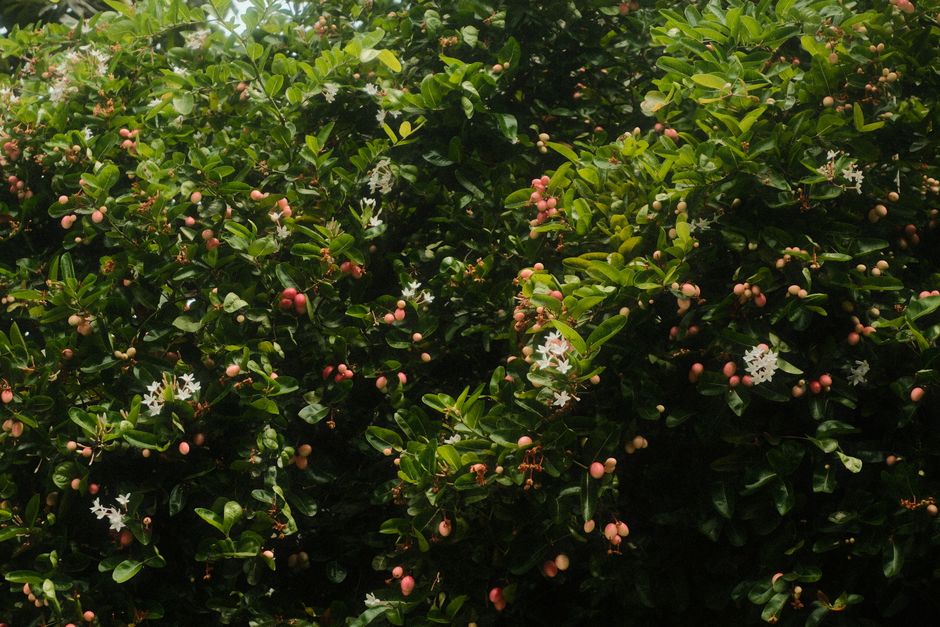
Photo by Ngoc Nguyen on Pexels
These are seasonal but can be definitive when present.
-
Hydrangea:
- Flowers: Large, often showy clusters (corymbs or panicles), typically white, pink, or blue. Many species have sterile florets around the edge of the cluster, making them very distinctive.
- Fruits: Small, dry capsules.
-
Birch ( Betula spp.):
- Flowers: Pendulous catkins (male and female on the same tree, usually appearing before or with leaves).
- Fruits: Small, winged nutlets borne in upright or pendulous strobiles (cone-like structures) that disintegrate when mature.
Here’s a flowchart to help you visualize the differentiation process:
graph TD
    A["Start Identification"] --> B{"Leaf Arrangement?"}
    B -- "Opposite/Whorled" --> C["Likely Hydrangea"]
    B -- "Alternate" --> D{"Bark Peeling in Papery Strips?"}
    C --> E["Check for large, showy flower clusters"]
    E --> F["Confirm Hydrangea"]
    D -- "Yes" --> G["Likely Birch"]
    D -- "No" --> H["Check for doubly serrated leaves & catkins"]
    G --> I["Confirm Birch"]
    H --> J{"Are leaves doubly serrated AND catkins present?"}
    J -- "Yes" --> G
    J -- "No" --> K["Re-evaluate; might be another genus"]
3. Worked Example
Imagine you're in a park and find a woody plant.
- Observe the leaves: You notice the leaves are arranged alternately along the stem. This immediately suggests it's not a Hydrangea, as Hydrangeas typically have opposite leaves.
- Examine the bark: You touch the bark and see it's peeling horizontally in thin, papery strips with prominent horizontal lenticels. This is a strong indicator of a Birch.
- Look for flowers/fruits (if seasonal): You observe elongated, pendulous structures, which are clearly catkins, and some small, cone-like structures with disintegrating winged seeds.
Based on the alternate leaf arrangement, papery exfoliating bark, and catkins/strobiles, you confidently identify the plant as a Birch species.
4. Key Takeaways
- Always check leaf arrangement first: Hydrangeas are usually opposite, while Birches are always alternate.
- Birch bark is highly distinctive, often peeling in thin, papery strips; Hydrangea bark typically doesn't peel in this way.
- Hydrangea flowers are usually large, showy clusters, sometimes with sterile outer florets.
- Birch flowers are catkins, and their fruits are small nutlets in disintegrating strobiles.
-
Combine multiple characteristics (leaves, bark, flowers/fruits) for the most accurate identification.
-
Common Mistakes:
- Confusing doubly serrated margins (Birch) with simple serrated margins (some Hydrangeas).
- Not checking multiple features; relying solely on one characteristic can lead to misidentification.
- Misinterpreting general bark roughness (Hydrangea) as the characteristic papery exfoliation of Birch.
5. Now Try It
Find two different woody plants in your area (even in photos online if you can't go outside). For each plant, note down its leaf arrangement, bark texture, and any observed flower or fruit characteristics. Based on these observations, determine if either of them is a Hydrangea or a Birch, explaining your reasoning for each characteristic.
What success looks like: You should be able to clearly state for each plant whether it's a Hydrangea, a Birch, or neither, providing at least three distinct morphological reasons for your conclusion.
Frequently asked about Hydrangea and Birch Species Differentiation
More from Lab notes (1-5)
Get the full Lab notes (1-5) curriculum
Clone the complete plan to your dashboard for unlimited AI-generated notes, practice quizzes, and a personalised revision schedule.
Save this course free