Specialized Trees: Linden, Pagodatree, Cottonwood, Horsechestnut
From the Lab notes (1-5) curriculum
TL;DR
You'll learn to identify key characteristics of Linden, Pagodatree, Cottonwood, and Horsechestnut trees. We'll focus on their leaves, flowers, fruits, bark, and growth habits to help you distinguish them in the field. Understanding these unique features will build your tree identification skills for common urban and landscape species.
1. The Mental Model
Think of each tree as having a distinct "personality" shown through its leaves, flowers, and fruits. Just like people have different outfits and hairstyles, trees have unique combinations of features that help you tell them apart quickly.
2. The Core Material
Identifying trees involves observing several key features. We'll look at the specific traits of Linden (Tilia), Pagodatree (Styphnolobium japonicum), Cottonwood (Populus deltoides), and Horsechestnut (Aesculus hippocastanum).
Linden (Tilia species)
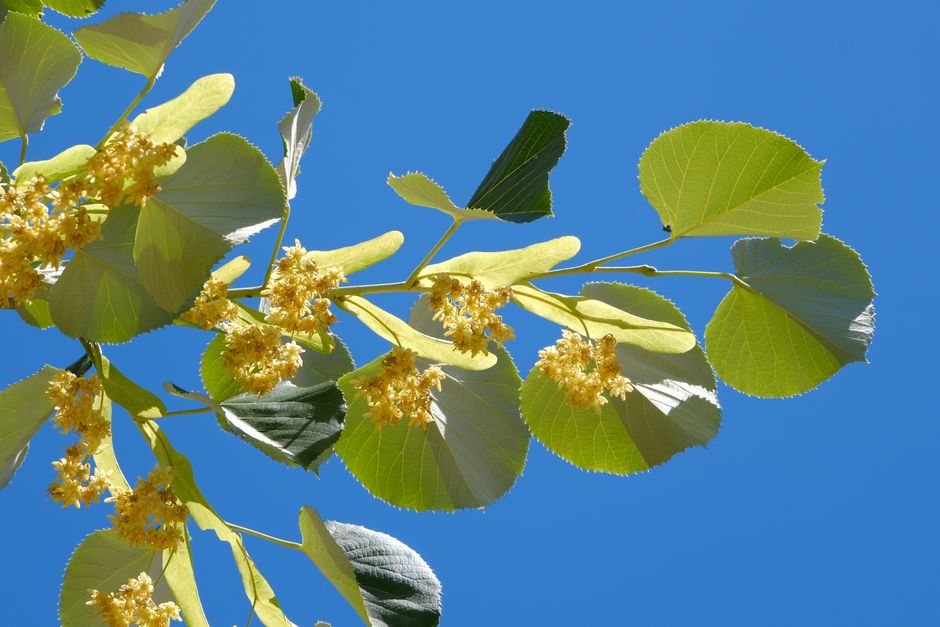
Photo by Aziz Hasan AY on Pexels
Linden trees, also known as Basswood, are known for their heart-shaped, often asymmetrical leaves with serrated edges. Their flowers are small, fragrant, and hang in clusters from a leafy bract. The fruit is a small, pea-sized nutlet attached to this bract.
Pagodatree (Styphnolobium japonicum)
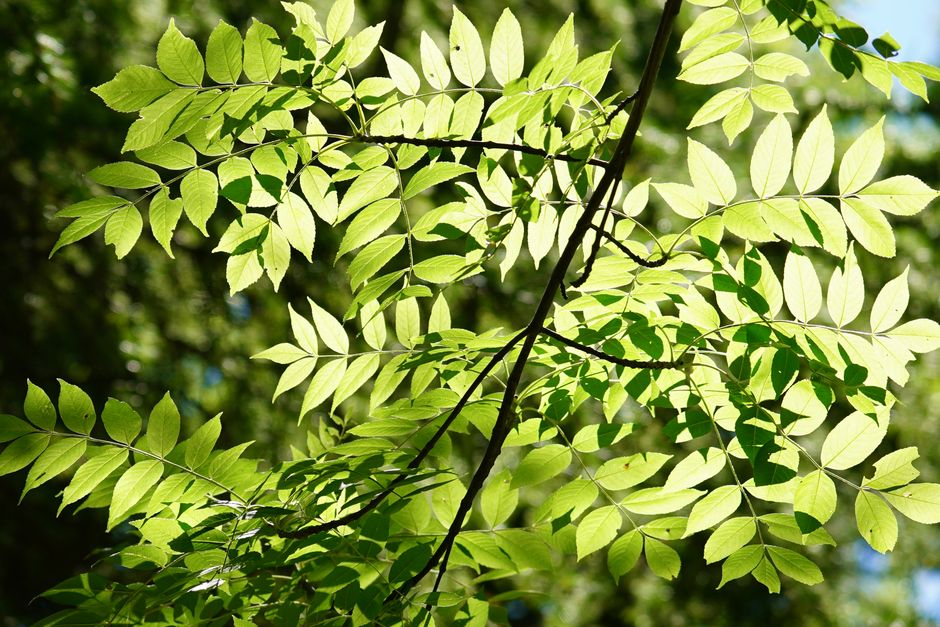
Photo by Жанна Алимкулова on Pexels
Also called Japanese Pagodatree or Scholar Tree, this tree has compound leaves with many small, oval leaflets. Its distinctive flowers are creamy white, pea-like, and appear in large, showy clusters in late summer. The fruit is a persistent, constricted pod resembling a string of beads.
Cottonwood (Populus deltoides)
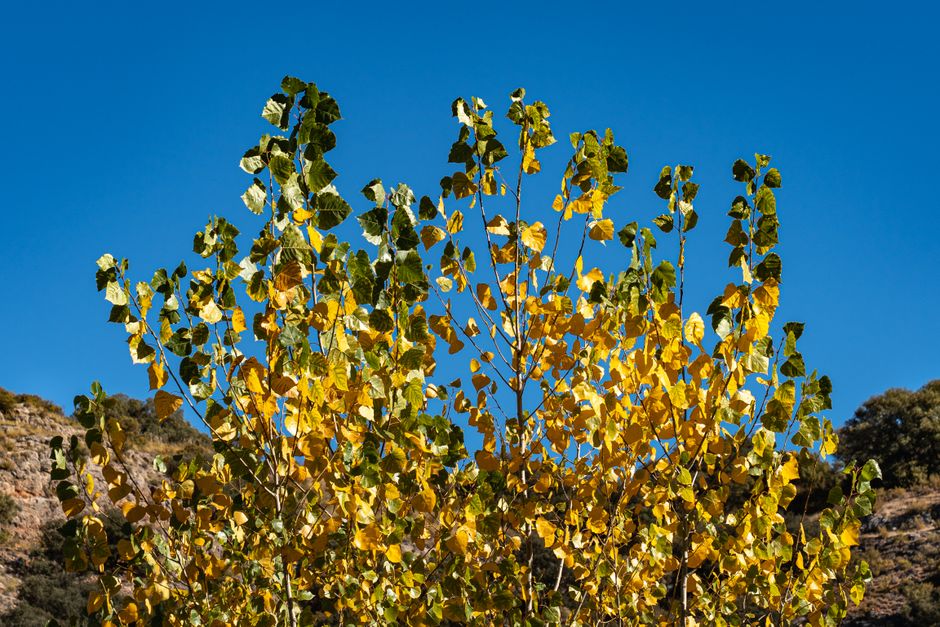
Photo by Emilio Sánchez Hernández on Pexels
Eastern Cottonwood is a fast-growing tree with triangular or delta-shaped leaves with coarse teeth and a flattened petiole, causing them to flutter in the wind. Their flowers are inconspicuous catkins. The fruit is a capsule that splits open to release many seeds covered in white, cotton-like fluff.
Horsechestnut (Aesculus hippocastanum)
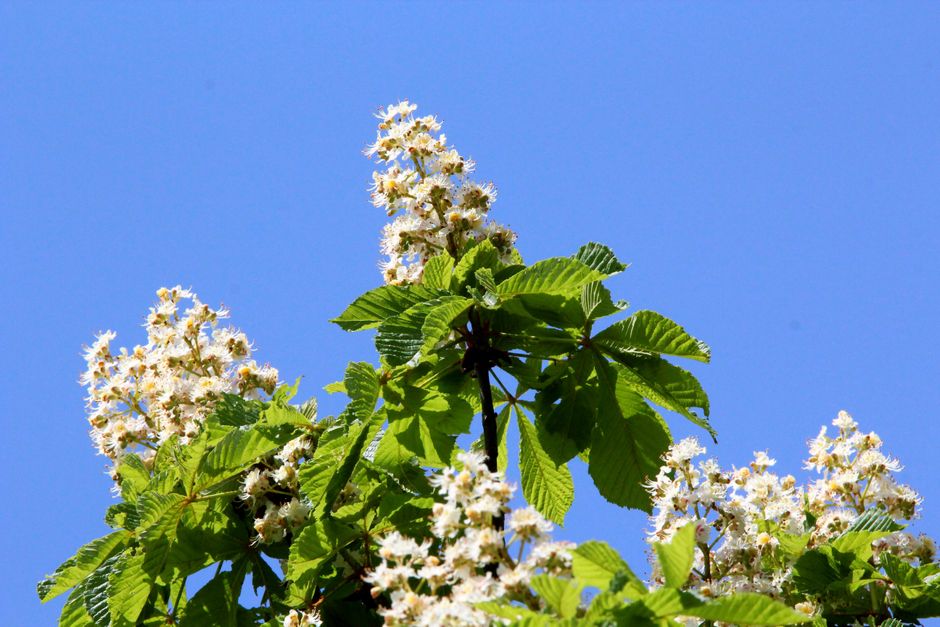
Photo by Heinz Reisenhofer on Pexels
Horsechestnut trees are easily recognized by their large, palmately compound leaves, usually with 5-7 leaflets radiating from a central point. They produce large, showy, upright clusters of white flowers with yellow and red blotches. The fruit is a spiny capsule containing 1-3 large, shiny brown seeds (conkers).
Here's a quick comparison of their key identifying features:
graph LR
    A["Tree Species"] --> B["Leaf Type"];
    A --> C["Flower Characteristics"];
    A --> D["Fruit Characteristics"];

    B --> B1["Simple (heart-shaped, serrated)"];
    B --> B2["Compound (many oval leaflets)"];
    B --> B3["Simple (triangular, coarsely toothed)"];
    B --> B4["Palmately Compound (5-7 leaflets)"];

    C --> C1["Small, fragrant, on bract"];
    C --> C2["Creamy white, pea-like, late summer"];
    C --> C3["Catkins (inconspicuous)"];
    C --> C4["Large, upright, white with blotches"];

    D --> D1["Small nutlet on bract"];
    D --> D2["Constricted pod (bead-like)"];
    D --> D3["Cottony seeds in capsule"];
    D --> D4["Spiny capsule (conker)"];

    A1["Linden"] --> B1;
    A1 --> C1;
    A1 --> D1;

    A2["Pagodatree"] --> B2;
    A2 --> C2;
    A2 --> D2;

    A3["Cottonwood"] --> B3;
    A3 --> C3;
    A3 --> D3;

    A4["Horsechestnut"] --> B4;
    A4 --> C4;
    A4 --> D4;
3. Worked Example
Imagine you're walking through a park in late summer and see a tree.
- Observe the leaves: They are large and made of several leaflets spreading out like fingers from your palm. There are about 7 leaflets per leaf. This immediately points you away from Linden and Cottonwood (simple leaves) and Pagodatree (many small leaflets, but pinnately compound, not palmately).
- Look for flowers/fruits: You see large, spiny green balls on the tree. Some have fallen to the ground and split open, revealing shiny brown seeds.
- Conclusion: Based on the palmately compound leaves and the spiny fruit with "conkers," you've confidently identified this as a Horsechestnut tree. If it were a Pagodatree, you'd expect string-like pods and smaller, pinnately compound leaves.
4. Key Takeaways
- Linden trees have asymmetrical, heart-shaped leaves and fruit attached to a distinctive bract.
- Pagodatrees feature pinnately compound leaves and late-blooming, pea-like flowers followed by bead-like pods.
- Cottonwoods are known for their triangular leaves with flattened petioles that cause fluttering, and their "cottony" seeds.
- Horsechestnut trees are easily identified by their large, palmately compound leaves and spiny fruits containing large seeds (conkers).
- Observing leaf arrangement (simple, compound, palmately compound) is often the fastest way to narrow down tree identification.
Common Mistakes to Avoid:
- Don't confuse the simple, heart-shaped leaf of a Linden with other simple-leaved trees without checking for asymmetry and the fruit bract.
- Avoid mistaking the pinnately compound leaves of a Pagodatree for other compound-leaved trees; look for its specific late-summer flowering and distinctive pods.
- Don't rely solely on leaf shape for Cottonwood; the flattened petiole causing the flutter is a key differentiator.
- Be careful not to confuse the palmately compound leaves of a Horsechestnut with other large-leaved trees; the number of leaflets and the specific fruit are crucial.
5. Now Try It
Find a tree that looks like one of these four in your local area or online. Take a clear photo of a leaf (both top and bottom), a close-up of any flowers or fruits, and the bark. Then, using only your photos and the notes above, try to identify which of the four it is.
What success looks like: You can confidently state the tree's name and list at least three specific features from your photos that match the description provided for that tree.
Frequently asked about Specialized Trees: Linden, Pagodatree, Cottonwood, Horsechestnut
More from Lab notes (1-5)
Get the full Lab notes (1-5) curriculum
Clone the complete plan to your dashboard for unlimited AI-generated notes, practice quizzes, and a personalised revision schedule.
Save this course free