Detailed Study of Maple Species (Acer)
From the Lab notes (1-5) curriculum
TL;DR
You'll learn to identify different maple (Acer) species by examining key features like leaves, bark, and growth habits. Understanding these characteristics helps you classify maples, which are important for their timber, syrup, and ornamental value. This study prepares you for practical fieldwork and botanical identification tasks.
1. The Mental Model
Think of each maple species as having a unique "signature" made up of several distinct physical traits. By consistently checking these traits, you can confidently identify one maple from another. It's like being a detective for trees.
2. The Core Material
Maples are a diverse genus (Acer) with over 128 species, primarily found in Asia, Europe, and North America. Accurate identification often relies on a combination of characteristics rather than a single feature.
Leaf Morphology
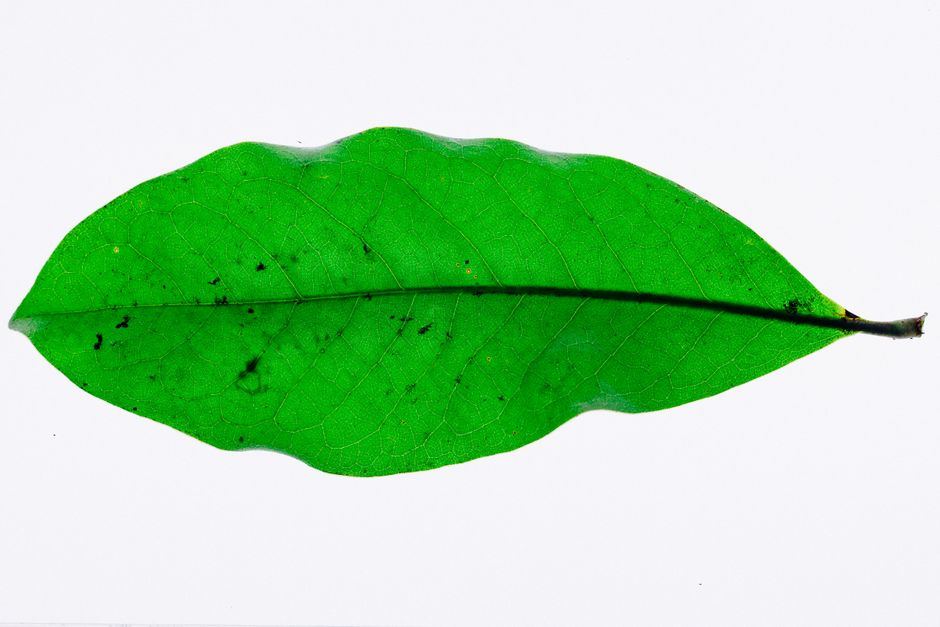
Photo by K on Pexels
Leaves are often the most distinctive feature. Pay attention to:
- Lobes: How many? How deep are the sinuses (the gaps between lobes)?
- Margins: Are they smooth (entire), toothed (serrated), or doubly serrated?
- Venation: How do the veins branch?
- Petiole: Is the leaf stalk long or short? Is there sap when broken (e.g., sugar maple)?
- Arrangement: Maple leaves are always opposite on the stem, never alternate. This is a crucial distinguishing feature for the genus.
Bark Characteristics
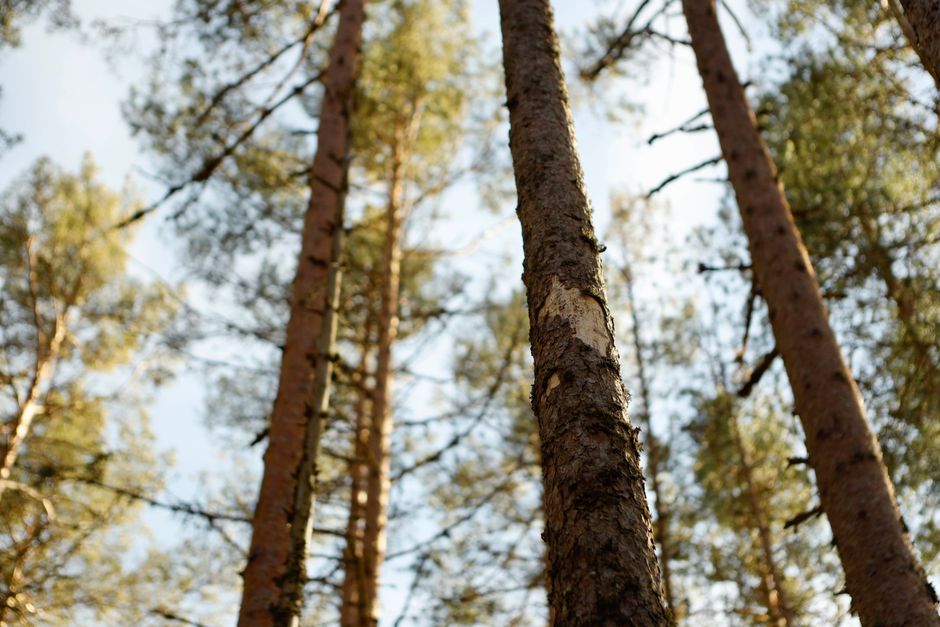
Photo by Vladislav Šmigelski on Pexels
Bark changes with age, but generally provides good clues:
- Texture: Smooth, furrowed, shaggy, or plated?
- Color: Gray, brown, reddish-brown?
- Pattern: Does it peel or flake?
Twigs and Buds
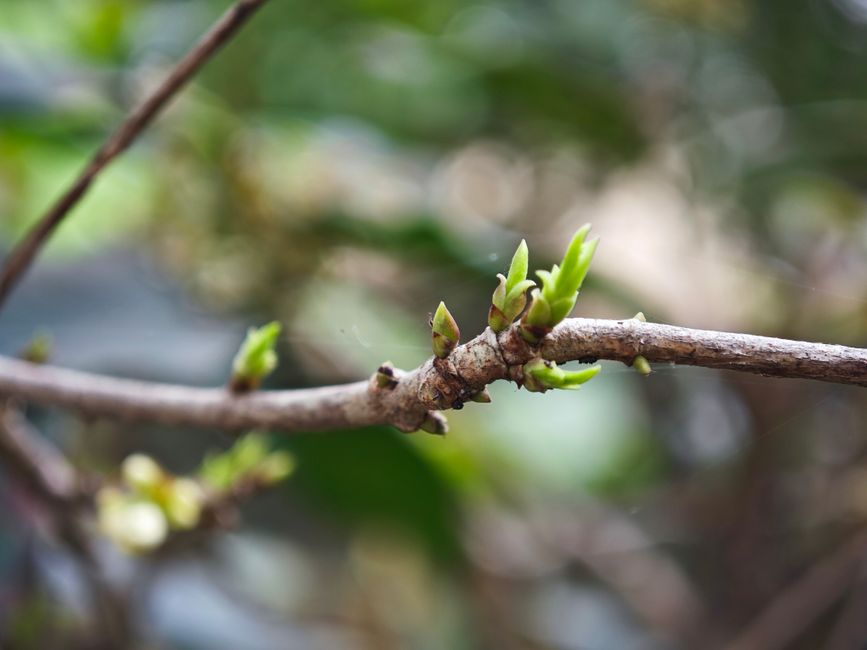
Photo by Tung Nguyen on Pexels
Look at these especially in winter:
- Twigs: Color, presence of lenticels (small pores).
- Buds: Size, shape, color, number of scales. Terminal buds are usually larger.
Fruits (Samaras)
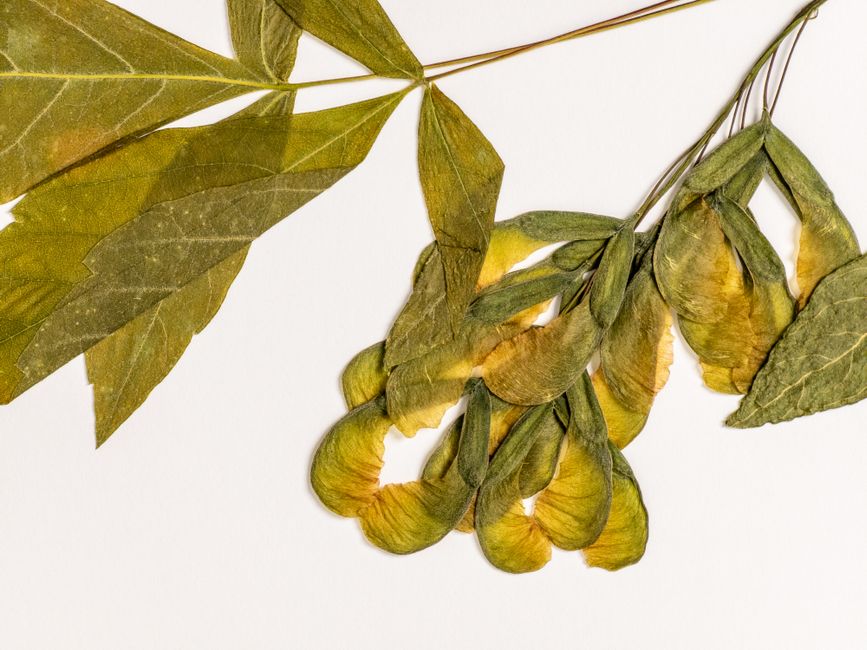
Photo by Umut Hasanoğlu on Pexels
Maple fruits are distinct winged seeds called samaras.
- Angle: The angle at which the two wings are joined is species-specific (e.g., almost parallel in Sugar Maple, wide angle in Silver Maple).
- Size and Shape: Overall size and shape of the seed and wing.
Growth Habit and Habitat
- Overall shape: Upright, spreading, weeping?
- Mature size: Tall tree or small shrub?
- Preferred habitat: Wetlands, uplands, disturbed areas?
Here's a breakdown of how you'd typically approach identifying a maple:
graph TD
    A["Observe Leaf Arrangement"] --> B{Is it Opposite?}
    B -- Yes --> C["Examine Leaf Lobes & Margins"]
    B -- No --> D["Not an Acer (Maple)"]
    C --> E["Check Bark Texture & Color"]
    E --> F["Look at Twigs & Buds (if present)"]
    F --> G["Inspect Fruits (Samaras) (if present)"]
    G --> H["Consider Overall Growth Habit & Habitat"]
    H --> I["Compare to Known Maple Species (e.g., field guide)"]
    I --> J["Identify Maple Species"]
Common North American Maple Species Examples:
- Sugar Maple (Acer saccharum): 5-lobed leaves with U-shaped sinuses and smooth margins; grey, furrowed bark; paired samaras in a narrow angle. Famous for syrup.
- Red Maple (Acer rubrum): 3-5 lobed leaves with V-shaped sinuses and serrated margins; reddish twigs/buds; samaras with a wider angle, often red. Often found in wet areas.
- Silver Maple (Acer saccharinum): Deeply 5-lobed leaves with serrated margins, silvery underside; shaggy, peeling bark; large samaras with wide-spreading wings. Often near water.
- Norway Maple (Acer platanoides): 5-lobed leaves with pointed lobes, often wider than long; emits milky sap from petiole when broken; large samaras with nearly horizontal wings. Often an urban tree.
3. Worked Example
You encounter a maple tree.
1. Leaf Arrangement: You check the twigs and confirm the leaves are opposite. This tells you it's definitely a maple.
2. Leaf Shape: You pick a leaf. It has five prominent lobes, with fairly smooth, broad edges. The gaps between the lobes (sinuses) are rounded, like a "U". There's no milky sap when you break the petiole.
3. Bark: The bark is grey and deeply furrowed, not peeling or shaggy.
4. Fruits: You find some dried samaras on the ground. They are paired, and the wings form a relatively narrow angle (less than 90 degrees).
5. Conclusion: Based on the opposite, U-lobed leaves with smooth margins, furrowed bark, and narrow-angled samaras, you confidently identify it as a Sugar Maple (Acer saccharum).
4. Key Takeaways
- Always check multiple features—leaves, bark, twigs, and fruits—for reliable maple identification.
- Maple leaves always grow oppositely on the stem, which is a key genus-level identifier.
- Samaras (winged fruits) provide species-specific clues through their angle and size.
- Bark texture and color change with tree age but are still useful characteristics.
-
Knowing common species characteristics, like milky sap in Norway Maple, helps quickly narrow down options.
-
Mistake: Relying on leaf color alone; many maples have red fall foliage.
- Mistake: Confusing a maple with a sycamore (Platanus) due to similar leaf shape, forgetting the opposite vs. alternate arrangement.
- Mistake: Not observing the samara angle, which is often crucial for species differentiation.
- Mistake: Assuming all maples produce syrup; only Sugar Maple is commercially viable.
5. Now Try It
Go outside and find at least two different maple trees. For each tree, take photos of its leaves (top and bottom), bark, and any fruits or buds you can find. Then, using your notes and a local field guide, identify both species. Success looks like correctly naming both maple species and listing at least three distinct features that led you to each identification.
Frequently asked about Detailed Study of Maple Species (Acer)
More from Lab notes (1-5)
Get the full Lab notes (1-5) curriculum
Clone the complete plan to your dashboard for unlimited AI-generated notes, practice quizzes, and a personalised revision schedule.
Save this course free