Fruit and Fall Color Identification
From the Lab notes (1-5) curriculum
TL;DR
You'll learn to identify common fruits by their key features and understand the chemical reasons behind fall leaf colors. This involves observing details like shape, size, skin, and internal structure for fruits, and relating leaf colors to chlorophyll, carotenoids, and anthocyanins. Knowing these basic principles helps you distinguish different plant parts and appreciate natural processes.
1. The Mental Model
Think of identifying fruits like being a detective looking for clues: you examine specific traits to make a positive ID. For fall colors, imagine a chemical switchboard in leaves, where certain pigments are "on" or "off" at different times of the year, revealing various colors.
2. The Core Material
2.1 Fruit Identification Basics
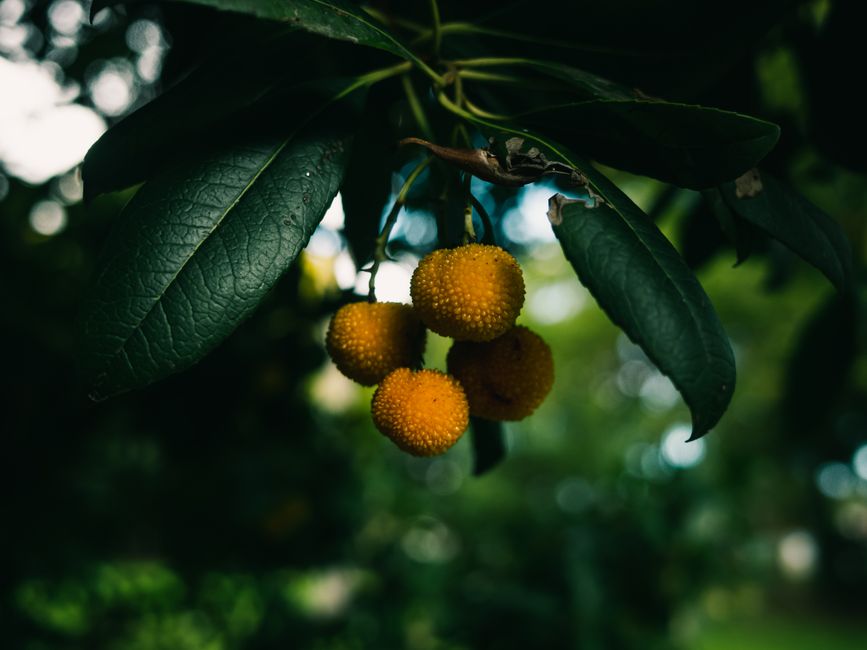
Photo by Sonny Sixteen on Pexels
When identifying fruits, you'll focus on several key characteristics. It's not just about color; shape, size, texture of the skin, and even the internal structure (like seeds or pulp) are crucial.
- Shape & Size: Is it round, oval, pear-shaped, or irregular? How big is it typically?
- Skin: Is it smooth, bumpy, fuzzy, waxy, or rough? What's the primary color or pattern?
- Internal Structure: How many seeds are there? What does the flesh look like (color, texture)?
- Stem/Calyx: How is the stem attached? Are there remnants of the flower (calyx)?
For example, an apple is typically roundish, often red, green, or yellow, with a smooth skin and several small seeds in a core. A banana is elongated, yellow when ripe, with soft flesh and tiny, unnoticeable seeds.
2.2 Fall Color Chemistry

Photo by Kindel Media on Pexels
The vibrant colors of autumn leaves are due to the presence and absence of different pigments:
- Chlorophyll: This is the green pigment responsible for photosynthesis. During spring and summer, it's abundant and dominates, making leaves appear green.
- Carotenoids: These pigments produce yellow, orange, and brown colors. They are present in leaves all the time but are masked by chlorophyll during the growing season.
- Anthocyanins: These pigments create red and purple hues. They are not present during the growing season; instead, they are produced in the fall in response to bright sunlight and cold nights, often triggered by sugars trapped in the leaves.
As days shorten and temperatures drop, trees stop producing chlorophyll. The existing chlorophyll breaks down, allowing the carotenoids to show through (yellows, oranges). If conditions are right, anthocyanins are then produced, adding reds and purples.
graph TD
    A["Warm, Sunny Days (Spring/Summer)"] --> B["High Chlorophyll Production"]
    B --> C["Leaves Appear Green"]
    C --> D["Shorter Days, Colder Nights (Autumn)"]
    D --> E["Chlorophyll Production Stops"]
    E --> F["Chlorophyll Breaks Down"]
    F --> G["Carotenoids (Yellows, Oranges) Become Visible"]
    G --> H{{"Bright Sun + Cold Nights + Sugars"}}
    H --> I["Anthocyanins (Reds, Purples) Produced"]
    G & I --> J["Vibrant Fall Colors"]
3. Worked Example
Let's identify a common fruit: a peach.
1. Shape & Size: It's generally round or slightly oval, medium-sized (fits in your palm).
2. Skin: It's fuzzy, with a characteristic "blush" of red over a yellow or orange background.
3. Internal Structure: When cut open, you'd see a single large, hard pit (seed) in the center, surrounded by juicy, yellow or sometimes whitish flesh.
4. Calyx: Often has a small indent at the top where the stem was.
Combining these features – fuzzy skin, single large pit, roundish shape – strongly identifies it as a peach, distinguishing it from an apple (smooth skin, multiple small seeds) or a plum (smooth skin, smaller, often darker).
4. Key Takeaways
- Always look at multiple features (shape, size, skin, interior) to identify fruits accurately.
- Chlorophyll is the green pigment that dominates leaves in spring and summer.
- Carotenoids are responsible for yellow, orange, and brown colors, present year-round but hidden by chlorophyll.
- Anthocyanins create red and purple colors and are produced specifically in the fall.
- Fall colors emerge as chlorophyll breaks down, revealing underlying pigments and allowing new ones to form.
- The unique combination of light, temperature, and genetics determines the specific fall colors of a tree.
Common Mistakes to Avoid:
- Don't identify a fruit solely by its color; many fruits share similar colors (e.g., red apples, red plums).
- Assuming all fall leaves will turn bright red; some trees only turn yellow or brown due to their pigment balance.
- Confusing fruit "flesh" with "pulp"; flesh refers to the edible part, pulp is a specific type of soft flesh, often used for juice.
- Forgetting that the absence of one pigment (chlorophyll) is as important as the presence of others for fall colors.
5. Now Try It
Find two different fruits in your home or a grocery store. For each fruit, write down at least three distinct characteristics you observe (shape, skin texture, number/type of seeds, etc.) that help identify it. Then, describe how these features differentiate it from another similar-colored fruit. You'll know you've succeeded if you can clearly explain why your chosen features are unique enough to identify each fruit without just saying its name.
Frequently asked about Fruit and Fall Color Identification
More from Lab notes (1-5)
Get the full Lab notes (1-5) curriculum
Clone the complete plan to your dashboard for unlimited AI-generated notes, practice quizzes, and a personalised revision schedule.
Save this course free