Introduction to Woody Plant Identification & Key Features
From the Lab notes (1-5) curriculum
TL;DR
Learning to identify woody plants means understanding their key physical features, which can vary by season. You'll focus on traits like buds, bark, and leaf arrangements to narrow down possibilities. Consistent observation and knowing what to look for are your best tools.
1. The Mental Model
Think of woody plant identification like being a detective. Each plant part—its leaves, bark, buds—is a clue. By carefully examining and combining these clues, you can piece together the plant's identity.
2. The Core Material
Identifying woody plants involves observing a suite of features that change seasonally but also have consistent characteristics. We'll focus on the primary features you can use.
Leaf Characteristics
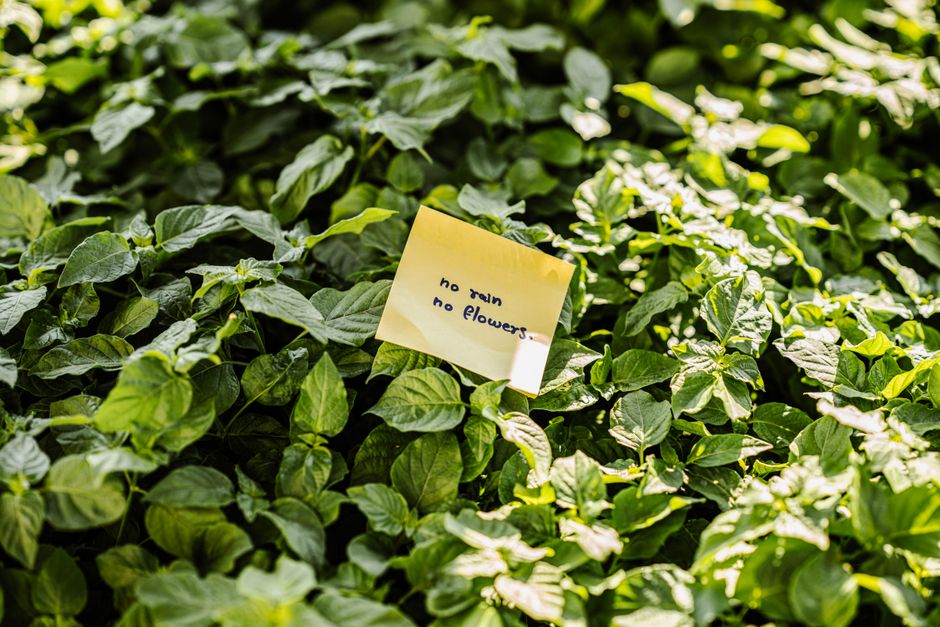
Photo by aboodi vesakaran on Pexels
Leaves are often the most obvious identification feature. Look at:
* Arrangement: How leaves are attached to the stem.
* Alternate: Leaves staggered, one per node.
* Opposite: Leaves directly across from each other, two per node.
* Whorled: Three or more leaves arranged around a single node.
* Complexity:
* Simple: A single leaf blade.
* Compound: Multiple leaflets attached to a single petiole (leaf stem).
* Pinnately compound: Leaflets arranged along a central axis.
* Palmately compound: Leaflets radiating from a central point.
* Margin: The edge of the leaf blade (e.g., smooth, toothed, lobed).
* Shape: Overall outline of the leaf.
Twig and Bud Features
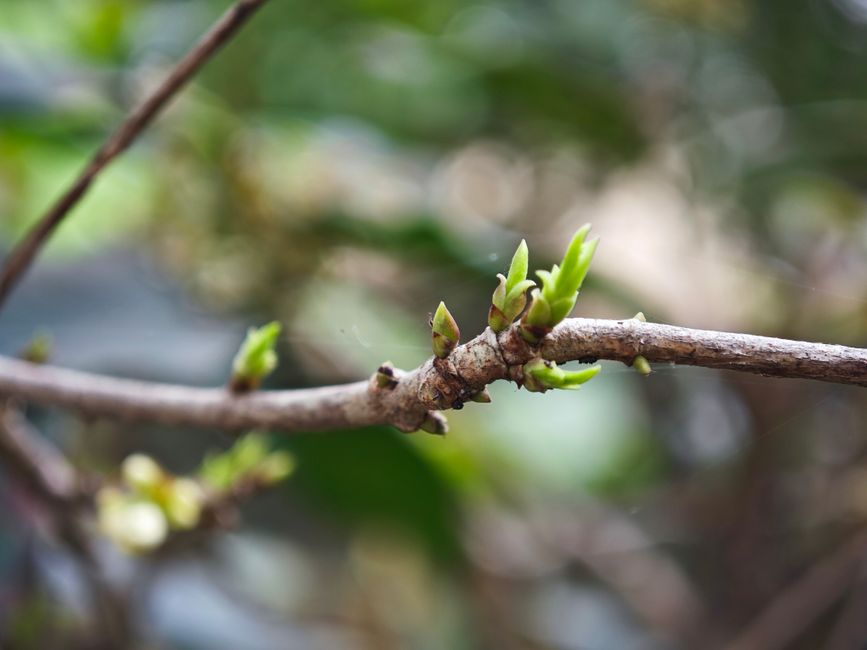
Photo by Tung Nguyen on Pexels
Twigs and buds are crucial for winter identification when leaves are absent.
* Buds: Small structures at the end (terminal bud) or sides (lateral buds) of a twig that contain undeveloped stems, leaves, or flowers.
* Arrangement: Alternate or opposite, matching the leaf arrangement.
* Scales: How many scales protect the bud (e.g., naked, imbricate, valvate).
* Size and Shape: Can be very distinctive.
* Bud Scars: Marks left on the twig where previous leaves were attached (leaf scars) or where terminal buds grew (terminal bud scale scars). The distance between terminal bud scale scars shows annual growth.
* Pith: The soft, central tissue of the twig. Can be solid, chambered, or diaphragmed.
* Lenticels: Small pores on the bark that allow gas exchange. Their shape and prominence vary.
Bark Characteristics
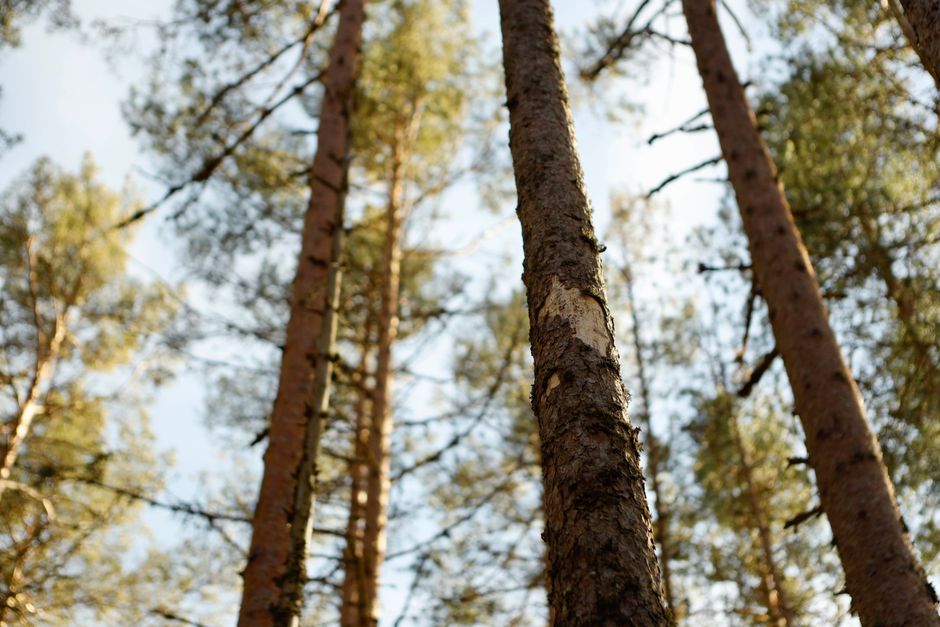
Photo by Vladislav Šmigelski on Pexels
Bark texture and pattern change with age and vary greatly between species.
* Texture: Smooth, rough, furrowed, ridged, shaggy, peeling.
* Color: Can vary, but mature bark often has a characteristic color.
Overall Growth Form
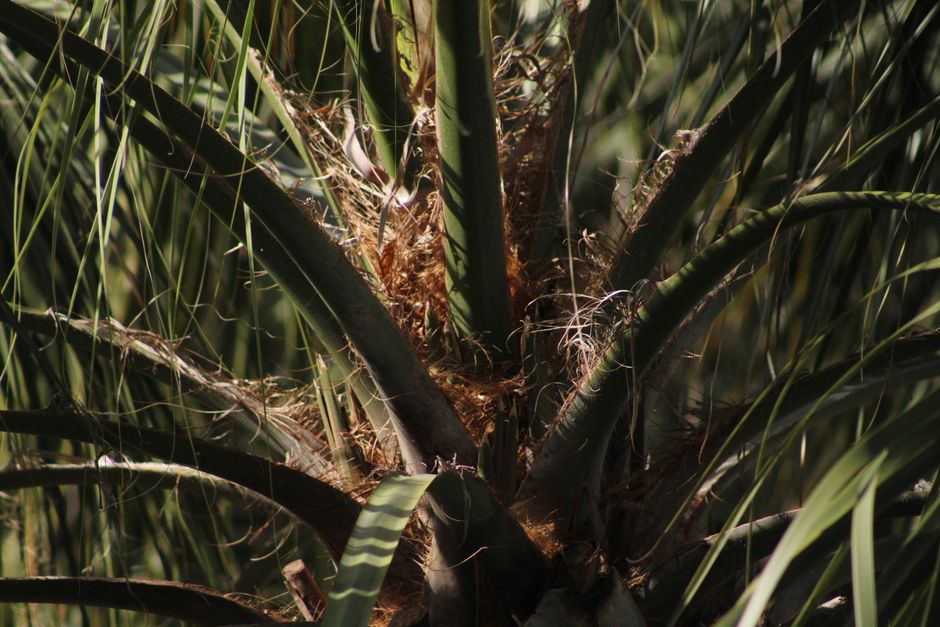
Photo by Bree M on Pexels
Consider the plant's general shape and size:
* Tree: Single woody stem, typically over 15 feet tall.
* Shrub: Multiple woody stems branching from the base, typically under 15 feet.
* Vine: Woody stems that climb or trail.
Here's a diagram to help visualize the decision process for initial identification:
graph TD
    A["Observe Plant"] --> B{Are Leaves Present?};

    B -- Yes --> C{Leaf Arrangement?};
    C -- Alternate --> D["Check Leaf Complexity & Margin"];
    C -- Opposite/Whorled --> E["Check Leaf Complexity & Margin"];

    B -- No --> F{Observe Twigs & Buds};
    F --> G{Bud Arrangement?};
    G -- Alternate --> H["Check Bud/Twig Features (Scales, Pith, Scars)"];
    G -- Opposite --> I["Check Bud/Twig Features (Scales, Pith, Scars)"];

    H --> J["Examine Bark & Overall Form"];
    I --> J["Examine Bark & Overall Form"];
    D --> J;
    E --> J;

    J --> K["Compare Features with ID Key/Resource"];
    K --> L["Tentative Identification"];
3. Worked Example
Let's say you encounter a woody plant in winter.
- Observe Twig: You notice the buds are directly across from each other on the stem. This means the bud arrangement is opposite.
- Examine Buds: The buds are relatively large and covered in several overlapping scales (imbricate). They have a slightly fuzzy texture.
- Look at Bud Scars: There's a distinct "collar" of terminal bud scale scars, showing yearly growth. The leaf scars are shield-shaped with three bundle traces inside.
- Check Pith: You carefully cut the twig and find the pith is solid, not chambered.
- Examine Bark: The bark on a young stem is smooth and gray, while on an older trunk, it breaks into long, narrow, scaly ridges.
- Overall Form: It's a small tree, around 20 feet tall.
Based on the opposite bud arrangement, large imbricate buds, and the bark characteristics, you'd strongly suspect you're looking at a Sugar Maple (Acer saccharum), especially in its native range. Many other maples also have opposite branching, so you'd then look at specific bud details and bark features to differentiate.
4. Key Takeaways
- Always look for a combination of features, as a single feature can be misleading.
- Seasonal changes impact what features are most prominent for identification.
- Leaf arrangement (alternate, opposite, whorled) is one of the most fundamental clues.
- Buds and their characteristics are vital for winter identification.
- Bark texture changes with age; observe both young and mature bark if possible.
Common Mistakes to Avoid:
* Relying on just one feature for identification.
* Not looking at both terminal and lateral buds.
* Ignoring bark characteristics of different-aged parts of the same plant.
* Confusing a leaflet with a simple leaf.
5. Now Try It
Find two different woody plants near you (e.g., in a park, your yard). For each plant, spend 5-10 minutes observing its leaf arrangement, bud arrangement (if visible), and bark texture. Sketch or list these features for each plant. What success looks like: You can clearly describe at least three distinct features for each plant, even if you don't know their names yet.
Frequently asked about Introduction to Woody Plant Identification & Key Features
More from Lab notes (1-5)
Get the full Lab notes (1-5) curriculum
Clone the complete plan to your dashboard for unlimited AI-generated notes, practice quizzes, and a personalised revision schedule.
Save this course free