The Judicial Branch and Rights
From the Civics OCT 5 ENG curriculum
TL;DR
The Judicial Branch, primarily the courts, interprets laws and ensures they align with the Constitution, especially concerning individual rights. Through judicial review, courts can declare laws unconstitutional, safeguarding your freedoms. Understanding this branch helps you see how your rights are protected and upheld in society.
1. The Mental Model
Think of the Judicial Branch as the referee of our legal system. It makes sure everyone plays by the rules (the Constitution and other laws) and decides who's right when there's a disagreement, especially when your rights are involved.
2. The Core Material
The Judicial Branch is one of the three branches of government in Canada, alongside the Legislative (Parliament) and Executive (Prime Minister and Cabinet) branches. Its main role is to interpret and apply the law. This is crucial for protecting the rights of individuals.
The Role of Courts

Photo by Tima Miroshnichenko on Pexels
Courts are the core of the Judicial Branch. They hear cases, resolve disputes, and determine whether laws have been broken. They also decide if government actions or laws respect the Canadian Charter of Rights and Freedoms.
Judicial Review

Photo by Towfiqu barbhuiya on Pexels
This is a very powerful tool of the Judicial Branch. Judicial review is the process by which courts determine if a law or government action violates the Constitution, including the Charter of Rights and Freedoms. If a court finds a law or action to be unconstitutional, it can strike it down or modify it.
graph TD
    A["Government passes law/takes action"] --> B{"Is there a challenge\n to the law/action?"}
    B -- Yes --> C["Case brought before the Courts"]
    B -- No --> D["Law/Action remains in effect"]
    C --> E{"Does the law/action\n violate the Charter or Constitution?"}
    E -- Yes --> F["Law/Action declared unconstitutional\n(struck down or modified)"]
    E -- No --> G["Law/Action upheld"]
    F --> H["Impact on Rights & Society"]
    G --> H
The Canadian Charter of Rights and Freedoms
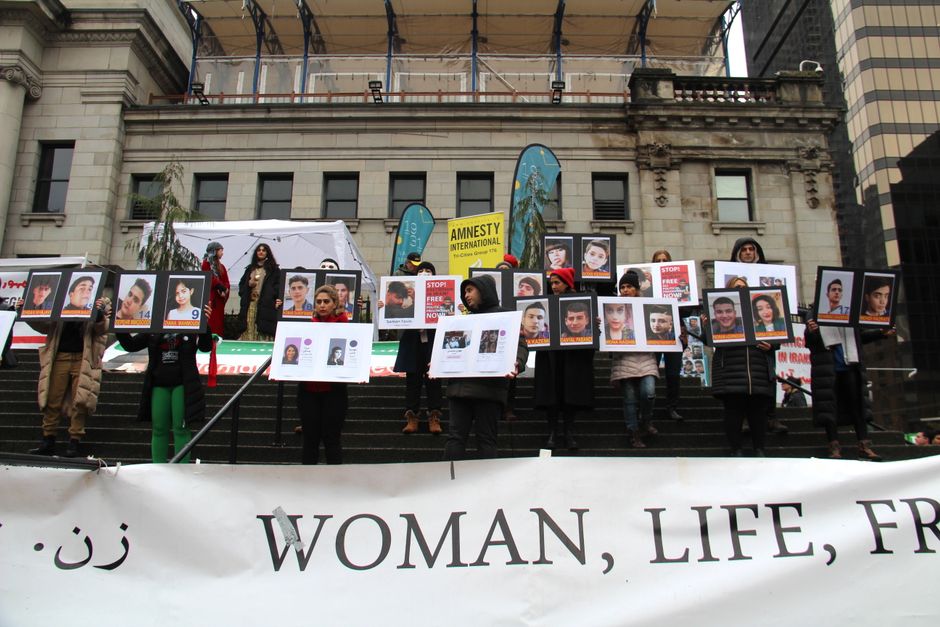
Photo by Sima Ghaffarzadeh on Pexels
This is a key part of the Canadian Constitution. It guarantees certain political, legal, and equality rights to all Canadians. When you hear about your "rights," often they're referring to those protected by the Charter, such as:
- Fundamental Freedoms: freedom of conscience, religion, thought, belief, opinion, expression, press, and peaceful assembly.
- Democratic Rights: the right to vote.
- Mobility Rights: the right to enter, remain in, and leave Canada.
- Legal Rights: rights when interacting with the justice system (e.g., right to a lawyer, presumption of innocence).
- Equality Rights: freedom from discrimination based on race, national or ethnic origin, colour, religion, sex, age, or mental or physical disability.
The Judicial Branch is the ultimate protector of these rights, using judicial review to ensure governments respect them.
3. Worked Example
Imagine the provincial government passes a new law that bans protests in certain public spaces, stating it's for "public order." A group of citizens feels this law violates their fundamental freedom of peaceful assembly guaranteed by the Charter.
- Challenge: The citizens' group launches a legal challenge, arguing the new law is unconstitutional.
- Court Hearing: The case goes to court. Lawyers for the citizens argue the law infringes on their Charter rights. Lawyers for the government argue the law is a reasonable limit on those rights (as the Charter allows for "reasonable limits").
- Judicial Review: The judge carefully examines the arguments, the wording of the law, and the relevant sections of the Charter.
- Decision: The judge determines that the new law is too broad and unnecessarily restricts the right to peaceful assembly, therefore violating the Charter. The judge declares the specific parts of the law dealing with protest bans to be unconstitutional and invalid.
- Outcome: The government must either amend the law to comply with the Charter or repeal it. The citizens' right to peaceful assembly is upheld by the Judicial Branch.
4. Key Takeaways
- The Judicial Branch interprets laws and the Constitution, making sure they're followed.
- Courts are the main component of the Judicial Branch, hearing cases and resolving disputes.
- Judicial review is the power of courts to declare laws or government actions unconstitutional.
- The Canadian Charter of Rights and Freedoms outlines your fundamental, democratic, mobility, legal, and equality rights.
- The Judicial Branch acts as a crucial check on the power of the legislative and executive branches.
Common Mistakes to Avoid:
- Don't confuse the Judicial Branch's role with making laws (Legislative Branch) or carrying them out (Executive Branch).
- Don't forget that even Charter rights have "reasonable limits" which courts also consider.
- Assuming all courts have the power of judicial review; only higher courts typically exercise this power.
5. Now Try It
Take a recent news article about a court case in Canada. Identify which rights under the Canadian Charter of Rights and Freedoms might be involved in that case. Explain in your own words how the court's decision in that case demonstrates the role of the Judicial Branch in protecting those rights. What would success look like? You would be able to clearly link the court's actions to the protection or interpretation of a specific Charter right.
Frequently asked about The Judicial Branch and Rights
Study this next
Get the full Civics OCT 5 ENG curriculum
Clone the complete plan to your dashboard for unlimited AI-generated notes, practice quizzes, and a personalised revision schedule.
Save this course free