Citizen Participation and Indigenous Governance
From the Civics OCT 5 ENG curriculum
TL;DR
Citizen participation is how you, as a member of society, influence decisions, ensuring your voice is heard and considered by those in power. Indigenous governance involves the self-determination and traditional systems through which Indigenous peoples manage their own affairs and communities. Understanding both helps us see how different groups engage in political life and shape their futures.
1. The Mental Model
Think of citizen participation as throwing a ball into a moving game—you're actively trying to influence the play. Indigenous governance is like a team creating and following their own rulebook, managing their game according to their unique history and values.
2. The Core Material
Citizen participation is about the many ways individuals and groups get involved in public life to express their views and influence policies. It's fundamental to democracy, ensuring that governments are accountable to the people they serve.
Forms of Citizen Participation:
- Voting: The most direct way to choose representatives.
- Volunteering: Contributing time and effort to community initiatives.
- Protesting/Advocacy: Publicly expressing dissent or support for an issue.
- Petitioning: Gathering signatures to request action from authorities.
- Community Meetings/Consultations: Providing input on local decisions.
- Contacting Representatives: Directly communicating concerns to elected officials.
Indigenous Governance
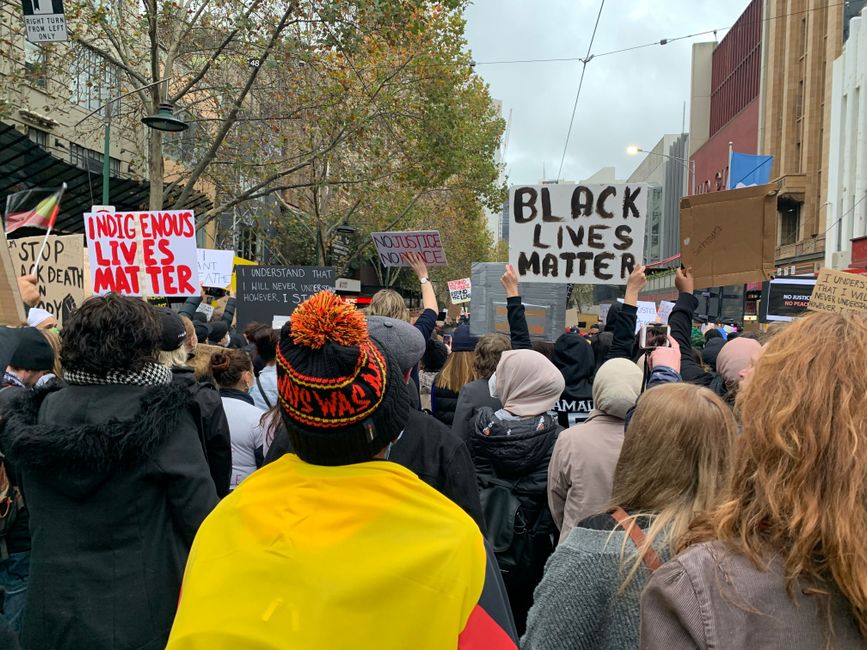
Photo by Costa Karabelas on Pexels
Indigenous governance refers to the political structures, laws, and practices developed and maintained by Indigenous peoples to manage their own communities, lands, and resources. It's rooted in their unique cultures, histories, and spiritual beliefs, often predating colonial systems. Self-determination is a key principle, meaning the right of Indigenous peoples to govern themselves and make decisions about their own development.
Key Aspects of Indigenous Governance:
- Self-Determination: The right to freely determine their political status and pursue economic, social, and cultural development.
- Traditional Law & Customs: Governance often follows long-established oral traditions, customs, and laws, which may differ significantly from Canadian common law.
- Consensus-Building: Many traditional governance models emphasize collaboration and reaching broad agreement rather than simple majority rule.
- Relationship to Land: Governance is deeply connected to land, territory, and natural resources, reflecting a holistic worldview.
- Nation-to-Nation Relationship: In Canada, Indigenous governance often involves a relationship with the Crown that aims to be based on mutual respect and recognition of inherent rights.
Differences and Connections
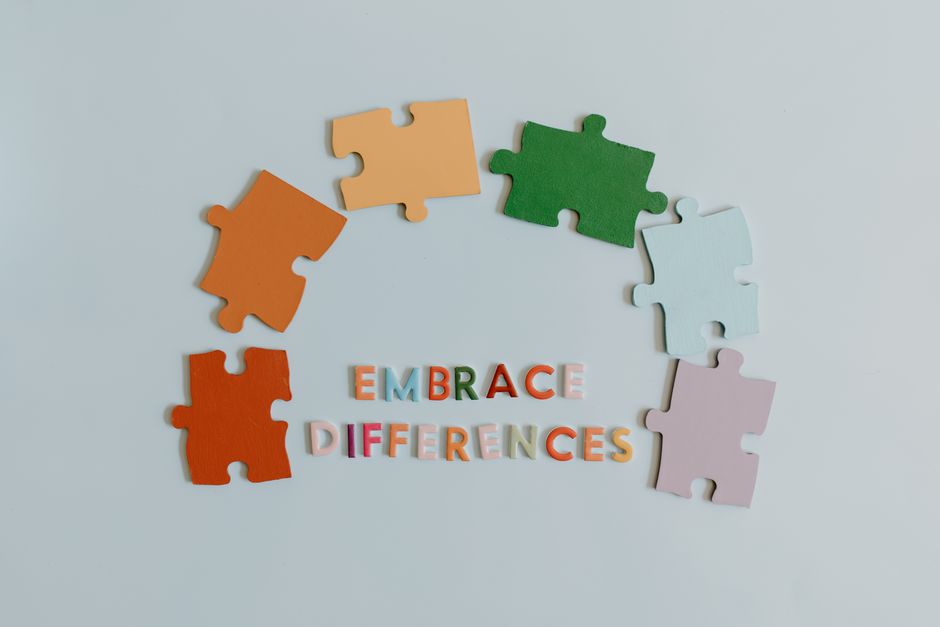
Photo by Tara Winstead on Pexels
While distinct, citizen participation in the broader Canadian context and Indigenous governance can intersect. For example, Indigenous citizens participate in Canadian elections, and non-Indigenous citizens can advocate for Indigenous rights. However, Indigenous governance emphasizes sovereignty and self-determination, which means managing their own affairs independent of external government control.
graph TD
    A["Citizen Participation (Broader Canadian Context)"] --> B["Ways to Influence Gov't Decisions"]
    B --> C1["Voting in Elections"]
    B --> C2["Protesting/Advocacy"]
    B --> C3["Contacting Elected Officials"]
    A -- "Aims for" --> D["Accountability of Gov't"]

    E["Indigenous Governance (Self-Determination)"] --> F["Internal Decision-Making Systems"]
    F --> G1["Traditional Laws & Customs"]
    F --> G2["Consensus-Based Processes"]
    F --> G3["Land/Resource Management"]
    E -- "Aims for" --> H["Sovereignty & Self-Reliance"]

    A -- "Overlap/Interaction" --> I["Indigenous peoples may also participate in Canadian political processes"]
    E -- "Overlap/Interaction" --> I
3. Worked Example
Imagine a new highway is proposed to run through a specific region.
Citizen Participation Example:
Local residents are concerned about environmental impact and noise. They form a community group, organize public meetings, collect signatures for a petition, and present their concerns to the municipal council. They also write letters to their Member of Parliament and invite local media to cover their concerns. Through these actions, they actively participate in trying to influence the government's decision on the highway's route.
Indigenous Governance Example:
Now, imagine that the proposed highway would cross unceded traditional territory of an Indigenous Nation. Under their own governance system, the Nation’s council (which might include Elders and hereditary chiefs) would convene. They would consult their own community members, refer to their traditional land use plans, and assess the impact on their hunting grounds, sacred sites, and water sources. They might then engage in nation-to-nation negotiations with the provincial or federal government, asserting their inherent right to manage their territory and potentially reject or propose alternative routes based on their own laws and self-determined priorities.
4. Key Takeaways
- Citizen participation involves various actions you can take to influence government and public policy.
- Voting is a fundamental, but not the only, way to participate in a democratic society.
- Indigenous governance focuses on the inherent right of Indigenous peoples to self-determination and to manage their own affairs.
- Traditional laws, customs, and a deep connection to land are central to many Indigenous governance systems.
- Understanding both concepts helps you see the different layers of decision-making and influence in Canada.
- Indigenous governance often seeks a nation-to-nation relationship, recognizing distinct legal and political orders.
Common Mistakes to Avoid:
- Don't confuse citizen participation within a state with Indigenous peoples' inherent right to self-governance as distinct nations.
- Don't assume all Indigenous governance systems are the same; they vary greatly between Nations.
- Don't underestimate the power of collective action in citizen participation.
- Don't forget that participation comes with responsibilities, like being informed about issues.
5. Now Try It
Choose a local issue that affects your community (e.g., a park development, a school policy, a new recycling program). Spend 15 minutes researching what forms of citizen participation are available for you to express your opinion on this issue. Identify at least three different ways you could get involved and briefly explain how each method works and what impact it might have. Success means you can list specific, actionable ways to participate and understand how each method connects to influencing a decision.
Frequently asked about Citizen Participation and Indigenous Governance
Study this next
Get the full Civics OCT 5 ENG curriculum
Clone the complete plan to your dashboard for unlimited AI-generated notes, practice quizzes, and a personalised revision schedule.
Save this course free