The Legislative Branch
From the Civics OCT 5 ENG curriculum
TL;DR
The Legislative Branch, primarily Congress, makes the laws for the United States. It's split into two parts: the House of Representatives and the Senate, ensuring checks and balances within the law-making process. This branch directly represents the people and states, debating and passing legislation that affects everyone.
1. The Mental Model
Think of the Legislative Branch as the national law factory. It's where ideas for new laws are proposed, discussed, tweaked, and eventually either approved or rejected, much like how a factory designs and produces new products.
2. The Core Material
The Legislative Branch is outlined in Article I of the U.S. Constitution. Its main job is to create laws. It's a bicameral (two-chamber) legislature, meaning it's divided into two distinct parts: the House of Representatives and the Senate. This structure was a compromise between states with large populations and states with small populations.
The House of Representatives
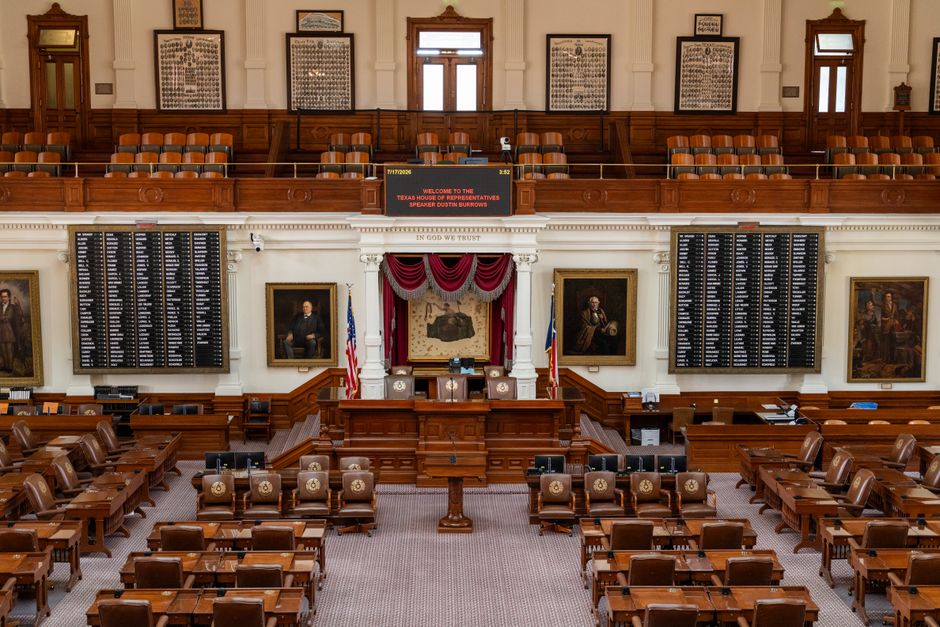
Photo by Brett A on Pexels
The House is often called the "lower chamber."
* Representation: Based on each state's population. States with more people get more representatives.
* Term Length: Representatives serve two-year terms. This shorter term means they're often considered more directly responsive to the public's immediate wishes.
* Membership: Currently 435 voting members, divided among the states by population (reapportioned every 10 years after the census).
* Unique Powers:
* Initiates all revenue (tax) bills.
* Can impeach federal officials (accuse them of wrongdoing).
* Elects the President in case of an Electoral College tie.
The Senate

Photo by Travel with Lenses on Pexels
The Senate is often called the "upper chamber."
* Representation: Equal representation for all states, with two senators per state, regardless of population.
* Term Length: Senators serve six-year terms. Terms are staggered, so only about one-third of the Senate is up for election every two years, providing more stability and a longer-term view.
* Membership: 100 members (50 states x 2 senators).
* Unique Powers:
* Approves presidential appointments (like Cabinet members, ambassadors, and federal judges).
* Ratifies treaties with other countries.
* Tries impeached federal officials.
* Can also initiate revenue bills, but they typically start in the House.
How a Bill Becomes a Law

Photo by Michael D Beckwith on Pexels
Understanding the Legislative Branch means understanding this core process. It's complex, but here’s a simplified path:
graph TD
    A["Idea/Bill Introduced (House or Senate)"] --> B["Committee Review (Hearings, Markup, Vote)"]
    B -- "If approved" --> C["Chamber Floor Debate & Vote (House OR Senate)"]
    C -- "If approved" --> D["Sent to Other Chamber"]
    D --> E["Committee Review (Other Chamber)"]
    E -- "If approved" --> F["Chamber Floor Debate & Vote (Other Chamber)"]
    F -- "If differences" --> G{"Conference Committee (Reconcile Differences)"}
    G -- "Agreed-upon bill" --> H["Final Vote in Both Chambers"]
    H -- "If approved by both" --> I["President's Desk"]
    I -- "Signs" --> J["BECOMES LAW"]
    I -- "Vetoes" --> K{"Returns to Congress"}
    K -- "2/3 Vote in Both Chambers" --> J
    K -- "No 2/3 Vote" --> L["BILL DIES"]
    I -- "10 days, Congress in session" --> J
    I -- "10 days, Congress adjourned" --> L
3. Worked Example
Let's imagine a new bill, "The Clean Water Act of 2024."
- Introduction: Representative Smith, seeing a need for cleaner rivers in her district, drafts the bill and introduces it in the House of Representatives.
- Committee: The bill goes to the House Committee on Transportation and Infrastructure. They hold hearings, invite experts, suggest changes (markup), and eventually vote to approve it.
- House Floor: The full House debates the bill, potentially adds amendments, and then votes. It passes by a simple majority.
- Senate: The bill is then sent to the Senate. It goes to the Senate Committee on Environment and Public Works, which repeats the committee process. They might make different changes.
- Senate Floor: The full Senate debates their version of the bill and passes it.
- Conference Committee: Because the House and Senate passed different versions, a conference committee (with members from both chambers) meets to negotiate a compromise bill.
- Final Votes: The compromise bill is sent back to both the House and Senate for another vote. Both chambers pass the identical bill.
- President's Desk: The bill goes to the President. Let's say the President supports environmental protection and signs the bill into law. "The Clean Water Act of 2024" is now official!
4. Key Takeaways
- The Legislative Branch, primarily Congress, is responsible for making federal laws.
- It's a bicameral body, split into the House of Representatives and the Senate, for balanced representation.
- The House's membership is based on population, with members serving two-year terms.
- The Senate has equal representation (two senators per state), with members serving six-year terms.
- A bill must pass both the House and Senate in identical form and then be signed by the President (or overridden by a veto) to become law.
- The bicameral structure and bill process are designed to ensure thorough debate and prevent hasty legislation.
- Unique powers are granted to each chamber, like the House initiating revenue bills and the Senate approving treaties.
Common mistakes you should avoid:
* Confusing the House's population-based representation with the Senate's equal-state representation.
* Forgetting that both chambers must pass the exact same version of a bill before it goes to the President.
* Thinking the President is the only one who can "kill" a bill; bills often die in committee.
* Underestimating the power of committees in shaping legislation.
5. Now Try It
Spend 15 minutes researching a current piece of legislation that is making its way through Congress (you can often find this on congressional websites or news outlets). Try to identify which chamber it started in, what committee it went to, and where it is in the "How a Bill Becomes a Law" process.
Success looks like: You can pinpoint at least two distinct steps the bill has gone through and identify if it's currently in the House, Senate, committee, or waiting for a presidential action.
Frequently asked about The Legislative Branch
Study this next
Get the full Civics OCT 5 ENG curriculum
Clone the complete plan to your dashboard for unlimited AI-generated notes, practice quizzes, and a personalised revision schedule.
Save this course free