The Legislative Branch
From the Civics OCT 5 ENG curriculum
TL;DR
The Legislative Branch, primarily Congress, is responsible for creating and enacting federal laws in the United States. It's a bicameral body, meaning it has two parts: the House of Representatives and the Senate, each with distinct powers and roles. This structure ensures a balance of representation and thorough consideration of legislation before it becomes law.
1. The Mental Model
Think of the Legislative Branch as the nation's "idea factory" and "rule-making committee." Ideas for laws come in, are debated and refined by two different groups of people, and then, if both groups agree, they become official rules for the country.
2. The Core Material
The Legislative Branch is outlined in Article I of the U.S. Constitution. Its main job is to make laws. It's made up of the U.S. Congress, which is split into two chambers: the House of Representatives and the Senate. This two-chamber system is called bicameralism.
The House of Representatives
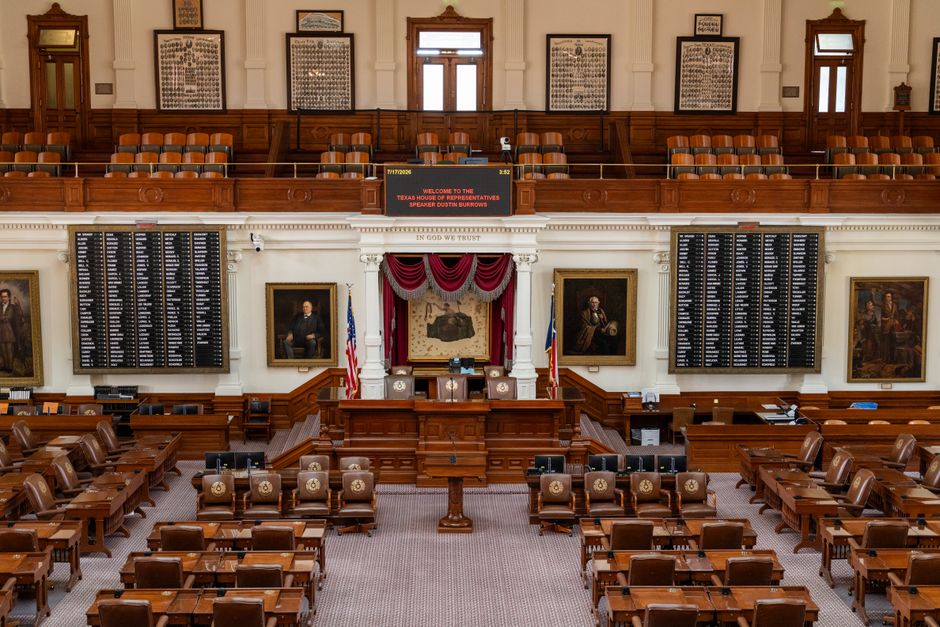
Photo by Brett A on Pexels
The House is often called the "lower house."
* Representation: Members are elected based on each state's population. States with more people get more representatives.
* Term Length: Representatives serve two-year terms. This means they're very responsive to public opinion.
* Total Members: There are 435 voting members, divided among the states.
* Unique Powers:
* Initiates all revenue bills: Any bill about taxes or spending must start here.
* Can impeach federal officials: This means formally accusing them of wrongdoing.
* Elects the President in case of an electoral college tie.
The Senate

Photo by Travel with Lenses on Pexels
The Senate is often called the "upper house."
* Representation: Each state gets two senators, regardless of population. This ensures smaller states have an equal voice.
* Term Length: Senators serve six-year terms, providing more stability and allowing them to take a longer view on issues.
* Total Members: There are 100 senators (two from each of the 50 states).
* Unique Powers:
* Confirms presidential appointments: Approves or rejects nominations for cabinet members, ambassadors, and federal judges.
* Ratifies treaties: Must approve treaties with other countries.
* Tries impeached officials: Acts as the jury in impeachment trials started by the House.
How a Bill Becomes a Law

Photo by Michael D Beckwith on Pexels
The process of a bill becoming a law is complex and requires agreement from both chambers. Here's a simplified overview:
graph TD
    A["Idea (Citizen, Lobbyist, President)"] --> B["Bill Introduced (House or Senate)"]
    B --> C{"Committee Action"}
    C -- "If approved" --> D["Floor Debate & Vote (Originating Chamber)"]
    D -- "If passed" --> E["Bill Sent to Other Chamber"]
    E --> F{"Committee Action (Other Chamber)"}
    F -- "If approved" --> G["Floor Debate & Vote (Other Chamber)"]
    G -- "If passed & identical" --> H["Presidential Action"]
    G -- "If passed & different" --> I["Conference Committee (Reconcile Differences)"]
    I --> G
    H -- "Signs into Law" --> J["LAW!"]
    H -- "Vetoes" --> K["Returns to Congress"]
    K -- "2/3 Vote in Both Chambers to Override" --> J
    H -- "No action in 10 days while Congress is in session" --> J
    H -- "No action in 10 days while Congress is adjourned" --> L["Pocket Veto (Bill Dies)"]
3. Worked Example
Let's imagine a bill called the "National Park Protection Act."
- Idea: A group of environmentalists and a Senator from California discuss increasing funding for national parks.
- Introduction: The Senator drafts the "National Park Protection Act" and introduces it in the Senate. It's assigned a number (e.g., S. 123).
- Committee Action (Senate): S. 123 is sent to the Senate Energy and Natural Resources Committee. The committee holds hearings, makes changes, and eventually votes to approve it.
- Floor Vote (Senate): S. 123 is debated by the full Senate and passes with a majority vote.
- Sent to House: S. 123 is sent to the House of Representatives.
- Committee Action (House): The House Natural Resources Committee reviews the bill, makes some minor changes (e.g., adds a specific park to receive funding), and votes to approve it.
- Floor Vote (House): The modified S. 123 is debated and passes the House.
- Conference Committee: Because the House made changes, the two versions aren't identical. A conference committee (made of members from both the House and Senate) meets to work out the differences and create a single, agreed-upon version.
- Final Votes: Both the House and Senate must vote again on this final, identical version of S. 123. They both pass it.
- Presidential Action: The bill goes to the President. The President agrees with the bill's goals and signs it into law. The "National Park Protection Act" is now a federal law!
4. Key Takeaways
- The Legislative Branch, Congress, is responsible for making laws.
- Congress is bicameral, meaning it has two parts: the House of Representatives and the Senate.
- The House represents states based on population; the Senate gives equal representation (two senators per state).
- Each chamber has unique powers to ensure checks and balances.
- A bill must pass both the House and Senate in identical form before going to the President.
- The President can sign a bill into law, veto it, or allow it to become law without a signature.
- Congress can override a presidential veto with a two-thirds vote in both chambers.
Common Mistakes to Avoid:
* Confusing the specific powers of the House versus the Senate (e.g., where revenue bills start).
* Forgetting that a bill needs to pass both chambers in the exact same form.
* Underestimating the role of committees in shaping legislation.
* Thinking the President is the only one who can make a law.
5. Now Try It
Imagine you want to propose a new federal law requiring all schools to teach financial literacy. Spend 15 minutes outlining the basic steps your idea would have to take to become law, including which chamber you'd ideally want it to start in and why. What's one major hurdle you anticipate, and how might it be overcome? Success looks like a clear, step-by-step path, mentioning the key players (House, Senate, committees, President) and their roles at each stage.
Frequently asked about The Legislative Branch
Study this next
Get the full Civics OCT 5 ENG curriculum
Clone the complete plan to your dashboard for unlimited AI-generated notes, practice quizzes, and a personalised revision schedule.
Save this course free