Levels of Government in Canada
From the Civics OCT 5 ENG curriculum
TL;DR
Canada has three main levels of government: federal, provincial/territorial, and municipal, each responsible for different aspects of daily life. Understanding these levels helps you know who makes decisions and where to go for specific services. While they sometimes share responsibilities, each level generally has its own distinct powers.
1. The Mental Model
Imagine Canada as a house with three floors. The top floor is the federal government handling country-wide issues. The middle floor is provincial/territorial, dealing with things specific to your province. The ground floor is municipal, looking after local services in your town or city.
2. The Core Material
In Canada, government responsibilities are divided among three main levels to manage a vast and diverse country effectively. This division helps ensure that decisions are made closer to the people they affect and that various needs are met.
Federal Government

Photo by Ben Kelsey on Pexels
This is the highest level, led by the Prime Minister and based in Ottawa. It handles issues that affect the entire country.
- Key Responsibilities: National defence, foreign policy, criminal law, banking, currency, Indigenous affairs, immigration, and federal taxation.
- How it works: Parliament consists of the House of Commons (elected Members of Parliament) and the Senate (appointed). Laws passed here apply across all of Canada.
Provincial/Territorial Governments
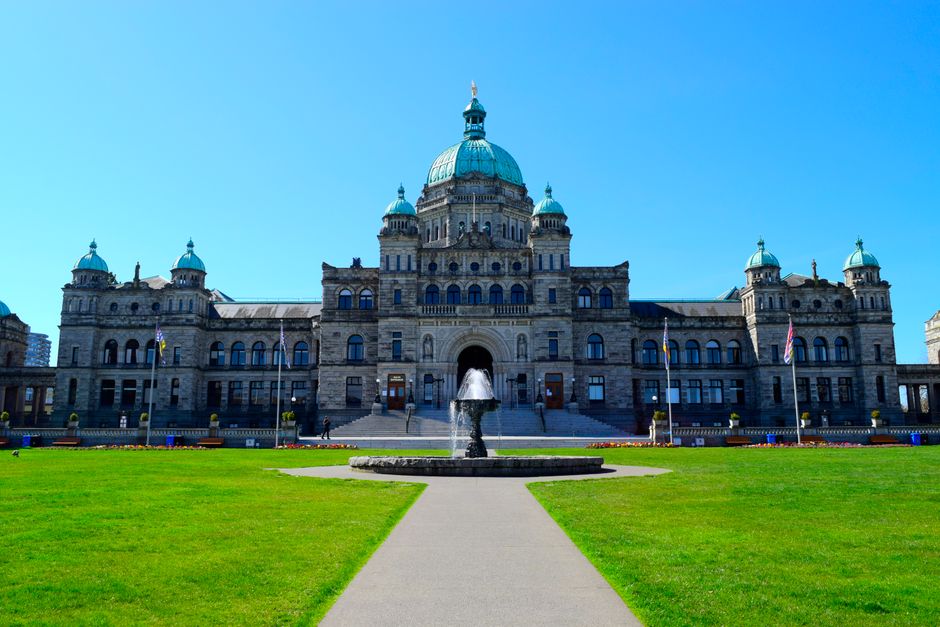
Photo by Keelan Clemens on Pexels
Each of Canada's ten provinces and three territories has its own government, led by a Premier (or equivalent). These governments manage matters within their own borders.
- Key Responsibilities: Education, healthcare, social services, provincial highways, natural resources, property and civil rights, and provincial taxation.
- How it works: Each province/territory has its own legislature (e.g., Legislative Assembly in Ontario), where elected representatives (MLAs, MPPs, MNAs, MHAs) debate and pass laws specific to their region.
Municipal Governments
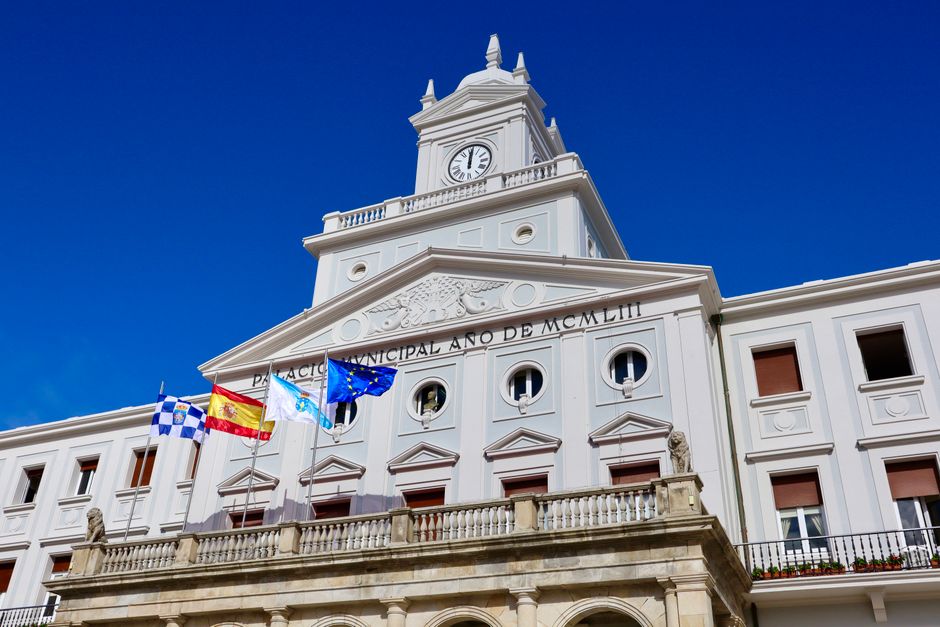
Photo by Ulku KOSDAS on Pexels
These are local governments, often led by a Mayor, that manage specific cities, towns, or regions. They are created by provincial governments and have the powers given to them by their province.
- Key Responsibilities: Local roads, public transit, water and sewage, waste collection, fire and police services, parks and recreation, land use planning, and property taxes.
- How it works: Councils (or similar bodies) consist of a mayor and councillors, who are elected by residents within that municipality.
Shared and Overlapping Responsibilities

Photo by Landiva Weber on Pexels
While there's a clear division, some areas involve more than one level of government. For example, environmental protection, agriculture, and some aspects of social services might see federal and provincial governments working together. Taxation is also collected at both federal and provincial levels.
graph TD
    A["Canadian Government Structure"] --> B["Federal Government"]
    A --> C["Provincial/Territorial Government"]
    A --> D["Municipal Government"]

    B --> B1["Prime Minister"]
    B --> B2["Parliament (House of Commons & Senate)"]
    B1 --- B2
    B1 -.-> B_Resp["National Defence, Foreign Policy, Criminal Law, Immigration"]

    C --> C1["Premier"]
    C --> C2["Legislature (e.g., Legislative Assembly)"]
    C1 --- C2
    C1 -.-> C_Resp["Healthcare, Education, Social Services, Provincial Highways"]

    D --> D1["Mayor"]
    D --> D2["Council (or similar)"]
    D1 --- D2
    D1 -.-> D_Resp["Local Roads, Public Transit, Water, Waste, Parks"]

    B_Resp -.-> Overlap["Shared Responsibilities (e.g., Environment, Agriculture)"]
    C_Resp -.-> Overlap
3. Worked Example
Let's say you're a resident of Toronto, Ontario, and you have a few issues you want to address:
- You want to report a pothole on your street. This is a local road issue. You would contact the City of Toronto (municipal government).
- You feel the wait times at your local hospital are too long. Healthcare is primarily a provincial responsibility. You would contact your Member of Provincial Parliament (MPP) or the Ontario Ministry of Health (provincial government).
- You want to know Canada's stance on a new international trade agreement. Foreign policy and trade are federal matters. You would look to the Prime Minister or your Member of Parliament (MP) (federal government).
- You're concerned about changes to the curriculum in your child's public school. Education is a provincial responsibility. You would contact your provincial government representatives or the relevant provincial ministry.
4. Key Takeaways
- Canada has three levels of government: federal, provincial/territorial, and municipal.
- Each level has specific powers and responsibilities outlined in the Constitution.
- The federal government handles country-wide issues like defence and immigration.
- Provincial/territorial governments manage services like healthcare and education within their borders.
- Municipal governments take care of local services such as roads, transit, and parks.
- Sometimes, governments cooperate on shared responsibilities like the environment.
- Knowing the right level of government to contact helps you get answers or influence decisions.
Common Mistakes to Avoid:
- Confusing provincial responsibilities with federal ones (e.g., asking the Prime Minister about school curriculum).
- Thinking that municipal governments can make laws that contradict provincial or federal laws.
- Assuming all services (like garbage collection and healthcare) are handled by the same level of government.
- Not realizing that territories have slightly different powers and arrangements than provinces.
5. Now Try It
Think about three different public services you use regularly (e.g., going to school, using public transit, getting mail). For each service, identify which level of government (federal, provincial/territorial, or municipal) is primarily responsible for its provision or regulation. Explain briefly why you think that level is responsible based on what you've learned. What does success look like? You can correctly identify the primary government level for each service and give a valid reason related to its responsibilities.
Frequently asked about Levels of Government in Canada
Study this next
Get the full Civics OCT 5 ENG curriculum
Clone the complete plan to your dashboard for unlimited AI-generated notes, practice quizzes, and a personalised revision schedule.
Save this course free