The Executive Branch
From the Civics OCT 5 ENG curriculum
TL;DR
The Executive Branch, led by the President, is responsible for implementing and enforcing the laws written by Congress. It includes the President, Vice President, Cabinet, and various departments and agencies that carry out government functions. The President holds significant power, acting as both head of state and government, but is subject to checks and balances.
1. The Mental Model
Think of the Executive Branch as the doers of the government. Congress makes the rules, and the courts interpret them, but it's the executive that actually puts those rules into action every single day across the country.
2. The Core Material
The Executive Branch is one of the three main branches of the U.S. government, established by Article II of the Constitution. Its primary role is to execute and enforce the laws.
The President: Head of the Executive Branch
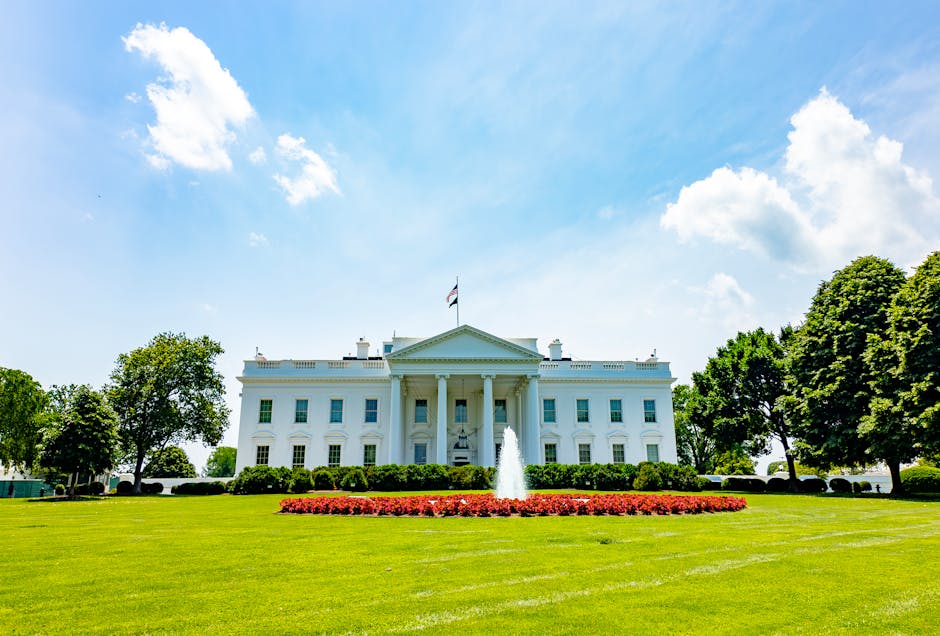
Photo by Ramaz Bluashvili on Pexels
The President of the United States is the most powerful figure in the Executive Branch and holds several key roles:
- Chief of State: The ceremonial head of the U.S. government, symbolizing the nation.
- Chief Executive: Oversees the entire Executive Branch, ensuring laws are faithfully executed. Appoints Cabinet members, ambassadors, and other officials (with Senate approval).
- Commander-in-Chief: Head of the U.S. armed forces.
- Chief Diplomat: Represents the U.S. in foreign policy, negotiates treaties (with Senate approval), and appoints ambassadors.
- Chief Legislator: Can propose legislation, veto bills passed by Congress, and influence the legislative agenda.
- Chief of Party: Leads their political party.
- Chief Citizen: Represents the interests of all Americans.
The Vice President

Photo by RDNE Stock project on Pexels
The Vice President is the second-highest officer in the Executive Branch. Their main duties include:
- Presiding over the Senate (and casting tie-breaking votes).
- Becoming President if the President dies, resigns, or is removed from office.
- Advising the President and carrying out specific duties assigned by the President.
The Cabinet

Photo by Element5 Digital on Pexels
The Cabinet is an advisory body made up of the heads of the 15 executive departments (e.g., Department of Defense, Department of Education, Department of State). These individuals are nominated by the President and confirmed by the Senate. Each department manages a specific area of government activity.
Executive Departments and Agencies

Photo by Mark Stebnicki on Pexels
Beyond the Cabinet, thousands of federal agencies, commissions, and government corporations operate under the Executive Branch. Examples include the Environmental Protection Agency (EPA), the Federal Bureau of Investigation (FBI), and NASA. These bodies carry out the daily work of implementing laws and providing services.
Checks and Balances
Even though the President has significant power, other branches can limit it:
- Legislative Branch (Congress): Can impeach and remove the President, override vetoes, confirm presidential appointments and treaties, and control funding for executive agencies.
- Judicial Branch (Courts): Can declare executive actions unconstitutional (judicial review).
graph TD
    A["President"] --> B["Vice President"]
    A --> C["Cabinet (Heads of Departments)"]
    C --> D["Department of State"]
    C --> E["Department of Defense"]
    C --> F["Department of Justice"]
    C --> G["Department of Treasury"]
    C --> H["(11 more departments)"]
    A --> I["Independent Agencies"]
    I --> J["EPA (Environmental Protection Agency)"]
    I --> K["NASA (National Aeronautics and Space Administration)"]
    I --> L["FBI (Federal Bureau of Investigation)"]
    I --> M["(Many more agencies)"]
    SubGraph Checks and Balances
        N["Congress"] --> A
        O["Judicial Branch"] --> A
    end
3. Worked Example
Imagine Congress passes a new law to increase environmental protection. The President, as Chief Executive, signs the bill into law. Then, the Environmental Protection Agency (EPA), an independent agency within the Executive Branch, springs into action. The EPA Administrator (a presidential appointee confirmed by the Senate) would then develop specific regulations based on that law, establish enforcement mechanisms, and allocate resources to monitor compliance, conduct inspections, and fine polluters. This entire process, from signing the bill to daily enforcement, is the Executive Branch in action.
4. Key Takeaways
- The Executive Branch's main job is to carry out and enforce federal laws.
- The President leads the Executive Branch and serves multiple roles, including Commander-in-Chief and Chief Diplomat.
- The Vice President's duties include presiding over the Senate and being next in line for the presidency.
- The Cabinet consists of the heads of 15 executive departments who advise the President.
- Numerous federal agencies and departments implement specific policies and deliver government services.
- The President's power is balanced by the legislative and judicial branches to prevent abuse.
Common Mistakes to Avoid
- Don't confuse the Executive Branch's role of enforcing laws with Congress's role of making laws.
- Don't assume the President has absolute power; remember the system of checks and balances.
- Don't forget that the Cabinet's primary role is to advise the President, not to vote on laws.
- Don't think the Vice President's only job is to be ready to take over; they also have specific duties assigned by the President.
5. Now Try It
Take 15 minutes to research a current news event involving a federal executive department (e.g., Department of Education, Department of Defense, Department of Justice). Identify the specific department, explain the action they are taking, and link it back to the overall role of the Executive Branch as described in these notes. Success means you can clearly explain how that department's action fits into the Executive Branch's function of executing laws or policies.
Frequently asked about The Executive Branch
Study this next
Get the full Civics OCT 5 ENG curriculum
Clone the complete plan to your dashboard for unlimited AI-generated notes, practice quizzes, and a personalised revision schedule.
Save this course free