Eukaryotic Cell Energy Transformers and Support Structures
From the biology curriculum
Eukaryotic Cell Energy Transformers and Support Structures
TL;DR
Eukaryotic cells use mitochondria and chloroplasts to transform energy, much like power plants, while the cytoskeleton provides essential internal support and movement. Mitochondria break down food to make ATP, chloroplasts capture sunlight to make sugars, and the cytoskeleton maintains cell shape and enables internal transport. Together, these systems ensure the cell has both the power and structure it needs to function.
1. The Mental Model
Think of a eukaryotic cell as a tiny city. It needs a power station (energy transformers) to run everything and a skeleton (cytoskeleton) to hold its shape and allow things to move around inside. Without these, the city wouldn't function, just like your cells wouldn't.
2. The Core Material
Eukaryotic cells are complex, and part of that complexity comes from their specialized organelles. Two major players in energy conversion are mitochondria and chloroplasts, and the cytoskeleton is crucial for structure and movement.
Mitochondria: The Cell's Powerhouses

Photo by Monstera Production on Pexels
You've probably heard mitochondria called the "powerhouses of the cell," and for good reason! These organelles are responsible for cellular respiration, the process where glucose (sugar) is broken down in the presence of oxygen to produce adenosine triphosphate (ATP). ATP is the main energy currency your cell uses for almost all its activities, from muscle contraction to building new molecules.
Mitochondria have two membranes: an outer smooth membrane and an inner membrane folded into structures called cristae. These folds increase the surface area, allowing for more energy production.
Chloroplasts: Solar Energy Converters
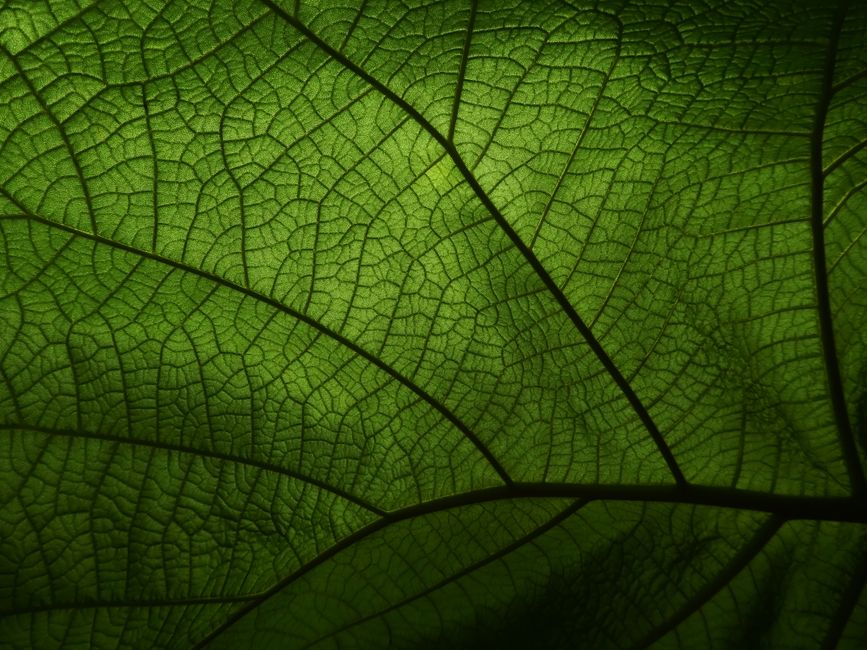
Photo by ClickerHappy on Pexels
Chloroplasts are found in plant cells and some other eukaryotic organisms (like algae). They're like miniature solar panels, capturing light energy from the sun and converting it into chemical energy in the form of glucose through a process called photosynthesis.
Like mitochondria, chloroplasts also have two membranes. Inside, they contain stacks of flattened sacs called thylakoids, which are stacked into structures called grana. The green pigment chlorophyll is located in the thylakoid membranes, where it absorbs sunlight.
The Cytoskeleton: Structure and Transport
Photo by SevenStorm JUHASZIMRUS on Pexels
The cytoskeleton isn't a rigid skeleton like yours; it's a dynamic network of protein filaments that crisscross the cytoplasm. It provides structural support, maintains cell shape, and plays vital roles in cell movement, cell division, and the transport of organelles and vesicles within the cell.
There are three main types of protein filaments that make up the cytoskeleton:
- Microfilaments (Actin Filaments): These are the thinnest and are involved in muscle contraction, cell division (forming the cleavage furrow), and cell crawling.
- Intermediate Filaments: These are of intermediate thickness and provide mechanical strength to the cell, helping it resist stretching and maintaining organelle positions. Keratin in your skin cells is an example.
- Microtubules: These are the thickest and act like railway tracks for motor proteins to transport vesicles and organelles. They also form the core of cilia and flagella (for cell movement) and are crucial for chromosome separation during cell division.
graph TD
    A["Eukaryotic Cell"] --> B["Energy Transformers"]
    A --> C["Support & Movement Structures"]

    B --> D["Mitochondria (Cellular Respiration)"]
    B --> E["Chloroplasts (Photosynthesis)"]

    D --> F["Glucose + Oxygen -> ATP + CO2 + H2O"]
    E --> G["Light Energy + CO2 + H2O -> Glucose + Oxygen"]

    C --> H["Cytoskeleton"]
    H --> I["Microfilaments (Actin)"]
    H --> J["Intermediate Filaments"]
    H --> K["Microtubules"]

    I --> L["Cell Shape, Muscle Contraction, Cell Crawling"]
    J --> M["Mechanical Strength, Organelle Anchoring"]
    K --> N["Organelle Transport, Cilia/Flagella, Chromosome Separation"]
3. Worked Example
Let's imagine a single plant cell. During the day, its chloroplasts are busy performing photosynthesis. If they absorb enough light and have enough CO2 and water, they'll produce, say, 100 units of glucose per hour. This glucose can then be stored or immediately used by the cell. Some of that glucose will be transported (via microtubules and motor proteins) to the mitochondria.
The mitochondria will then take that glucose and, through cellular respiration, convert it into ATP. If one glucose molecule yields roughly 32-36 ATP molecules, then 100 units of glucose would provide the cell with 3200-3600 units of ATP. This ATP is then used to power various cellular activities: moving vesicles along microtubules, building new proteins on ribosomes, or even pumping ions across the cell membrane. The cytoskeleton, particularly the microtubules, would be critical for ensuring the glucose and ATP get to where they're needed.
4. Key Takeaways
- Mitochondria are the primary sites of ATP production in eukaryotic cells through cellular respiration.
- Chloroplasts are specialized organelles in plants and algae that convert light energy into chemical energy (glucose) via photosynthesis.
- The cytoskeleton is a dynamic network of protein filaments providing structural support and facilitating intracellular transport and cell movement.
- Microfilaments, intermediate filaments, and microtubules are the three main components of the cytoskeleton, each with distinct roles.
-
ATP is the universal energy currency used by cells to power most cellular processes.
-
Common Mistakes to Avoid:
- Confusing the functions of mitochondria and chloroplasts; they're opposite processes.
- Thinking the cytoskeleton is a rigid, unchanging structure; it's very dynamic.
- Forgetting that ATP is the output of energy transformation, not the input.
- Assuming animal cells have chloroplasts; they don't!
5. Now Try It
Imagine a muscle cell working hard. Describe how mitochondria and the cytoskeleton would be especially critical for its function. What specific components of the cytoskeleton would be most involved, and what role would ATP play? Your answer should be about 3-5 sentences. What success looks like: you'll correctly identify the role of mitochondria in ATP supply and link specific cytoskeleton components (like microfilaments) to muscle contraction, mentioning ATP as the fuel.
Frequently asked about Eukaryotic Cell Energy Transformers and Support Structures
More from biology
Get the full biology curriculum
Clone the complete plan to your dashboard for unlimited AI-generated notes, practice quizzes, and a personalised revision schedule.
Create Free Account