Cell Theory and Basic Cell Types
From the biology curriculum
Cell Theory and Basic Cell Types
TL;DR
All living things are made of cells, which are the basic units of life. Cells come from pre-existing cells, and there are two main types: prokaryotic and eukaryotic. Understanding these concepts is fundamental to biology.
1. The Mental Model
Think of cells like the LEGO bricks of life. Everything alive, from a tiny bacterium to a giant whale, is built from these fundamental units. They're not just building blocks; they also perform all the essential life functions.
2. The Core Material
Cell Theory: The Big Ideas
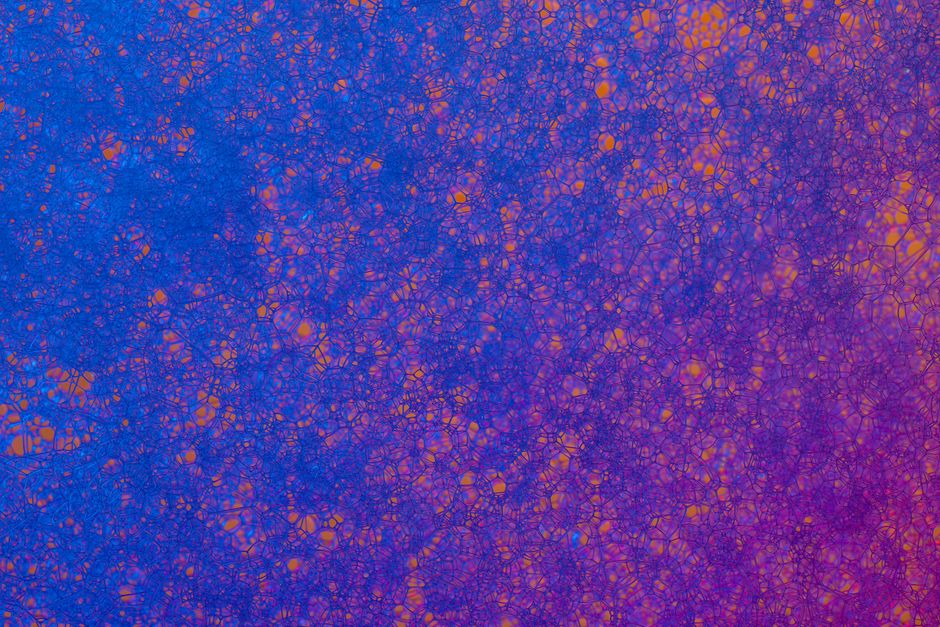
Photo by Rafael Minguet Delgado on Pexels
Cell theory is one of the foundational principles in biology. It wasn't discovered all at once but developed over centuries as microscopes improved and scientists observed more. There are three main parts to cell theory:
- All living organisms are composed of one or more cells. This means whether you're a single-celled bacterium or a complex human with trillions of cells, you're made of cells.
- The cell is the basic unit of structure and organization in organisms. This means that a cell is the smallest thing that can be considered alive. It can carry out all the functions needed for life.
- All cells come from pre-existing cells. This is important because it means cells don't just spontaneously appear. They reproduce and divide, passing on genetic information.
Basic Cell Types: Prokaryotic vs. Eukaryotic

Photo by turek on Pexels
There are two fundamental categories of cells, and they're distinguished mainly by their internal organization, especially whether they have a nucleus.
- Prokaryotic Cells: These are the older and simpler cell type. They don't have a true nucleus or other membrane-bound organelles. Think of them as a single room with all the furniture scattered around. Bacteria and Archaea are examples of prokaryotes. Their genetic material (DNA) is usually found in a region called the nucleoid, not enclosed in a membrane.
- Eukaryotic Cells: These are more complex and evolved. They do have a true nucleus, which houses their genetic material, and many other specialized, membrane-bound compartments called organelles (like mitochondria, endoplasmic reticulum, Golgi apparatus). Think of them as a house with many different rooms, each with a specific job. Animals, plants, fungi, and protists are all made of eukaryotic cells.
Here's a simple comparison:
graph TD
    A["Cell Types"] --> B["Prokaryotic Cells"]
    A --> C["Eukaryotic Cells"]

    B --> B1["No true nucleus"]
    B --> B2["Genetic material (DNA) in nucleoid region"]
    B --> B3["No membrane-bound organelles"]
    B --> B4["Generally smaller and simpler"]
    B --> B5["Examples: Bacteria, Archaea"]

    C --> C1["True nucleus (DNA enclosed)"]
    C --> C2["Membrane-bound organelles (Mitochondria, ER, etc.)"]
    C --> C3["Generally larger and more complex"]
    C --> C4["Examples: Animals, Plants, Fungi, Protists"]
The presence or absence of a nucleus is the biggest dividing line between these two types. Prokaryotic cells typically have a single, circular chromosome, while eukaryotic cells have multiple, linear chromosomes.
3. Worked Example
Imagine you're looking at an unknown microscopic organism. You've identified that it's made of cells. Now you want to classify what kind of cells they are.
You observe the following:
1. The cells are relatively small.
2. You can see DNA, but it's floating freely in the cell's cytoplasm, not enclosed in a special compartment.
3. You don't see any structures like mitochondria or a Golgi apparatus.
Based on these observations, you can conclude that these are prokaryotic cells. The key clues are the lack of a true nucleus (DNA not enclosed) and the absence of membrane-bound organelles. If you had seen a distinct nucleus and other internal compartments, you'd be looking at eukaryotic cells.
4. Key Takeaways
- All life is cellular; cells are the fundamental building blocks and functional units.
- New cells only arise from pre-existing cells through division.
- Prokaryotic cells are simpler, lack a true nucleus, and don't have membrane-bound organelles.
- Eukaryotic cells are more complex, possess a true nucleus, and contain various membrane-bound organelles.
- The presence or absence of a nucleus is the primary distinction between prokaryotes and eukaryotes.
- Bacteria and Archaea are prokaryotes; animals, plants, fungi, and protists are eukaryotes.
- Understanding cell theory helps you grasp the unity and diversity of life.
Common Mistakes to Avoid

Photo by KATRIN BOLOVTSOVA on Pexels
- Don't confuse the nucleoid region in prokaryotes with a true nucleus; it's just where the DNA hangs out.
- Don't think that "simple" means "not important" for prokaryotes; they're incredibly diverse and essential.
- Don't assume all cells are visible without a microscope; most are microscopic.
- Don't forget that viruses are not considered cells because they can't reproduce on their own and lack cellular structures.
5. Now Try It
Take a piece of paper and draw two simple diagrams: one representing a generic prokaryotic cell and one representing a generic eukaryotic cell. Label the key features you learned about (e.g., cell membrane, cytoplasm, DNA, nucleus if present, ribosomes, and mention the presence/absence of other organelles). Focus on visually representing the differences, especially regarding the nucleus.
What success looks like: Your prokaryotic cell should have its DNA floating freely, while your eukaryotic cell should clearly show its DNA enclosed within a nucleus. Both should have basic cell components like a cell membrane.
Frequently asked about Cell Theory and Basic Cell Types
More from biology
Get the full biology curriculum
Clone the complete plan to your dashboard for unlimited AI-generated notes, practice quizzes, and a personalised revision schedule.
Create Free Account