Eukaryotic Cell Cytoplasm and Assembly Components
From the biology curriculum
Eukaryotic Cell Cytoplasm and Assembly Components
TL;DR
The cytoplasm is everything inside your cell's membrane except the nucleus, housing many essential tiny organs called organelles. It's filled with cytosol, a jelly-like substance where most cell activities, like making proteins, happen. Organelles perform specialized jobs, working together to keep your cell alive and functioning.
1. The Mental Model
Think of your cell as a tiny factory. The cytoplasm is the entire factory floor, excluding the boss's office (the nucleus). On this floor, there's a gooey substance (cytosol) and many different machines (organelles) each doing a specific job.
2. The Core Material
Your cytoplasm includes everything within the cell membrane that isn't the nucleus. It's made up of two main parts: the cytosol and the organelles.
The cytosol is the jelly-like, semi-fluid substance that fills the cell. It's mostly water, but also contains dissolved ions, proteins, and small molecules. Many crucial metabolic reactions happen here, like the first steps of breaking down sugar for energy (glycolysis).
Organelles are like the specialized mini-organs within your cell. Each has a specific structure and function. Here are some key ones you'll find in the cytoplasm:
The Ribosomes: Protein Builders
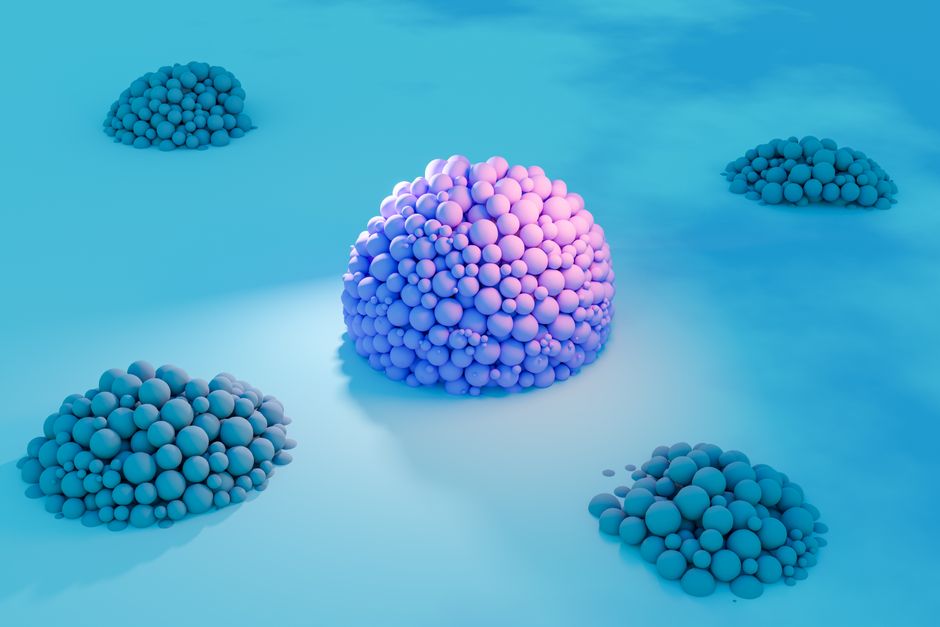
Photo by Steve A Johnson on Pexels
Ribosomes are tiny structures responsible for making proteins. They read instructions from the nucleus (in the form of mRNA) and assemble amino acids into protein chains. Some ribosomes float freely in the cytosol, making proteins for use inside the cell. Others are attached to the endoplasmic reticulum, making proteins that are destined to leave the cell or become part of membranes.
The Endoplasmic Reticulum (ER): The Cell's Highway and Workshop
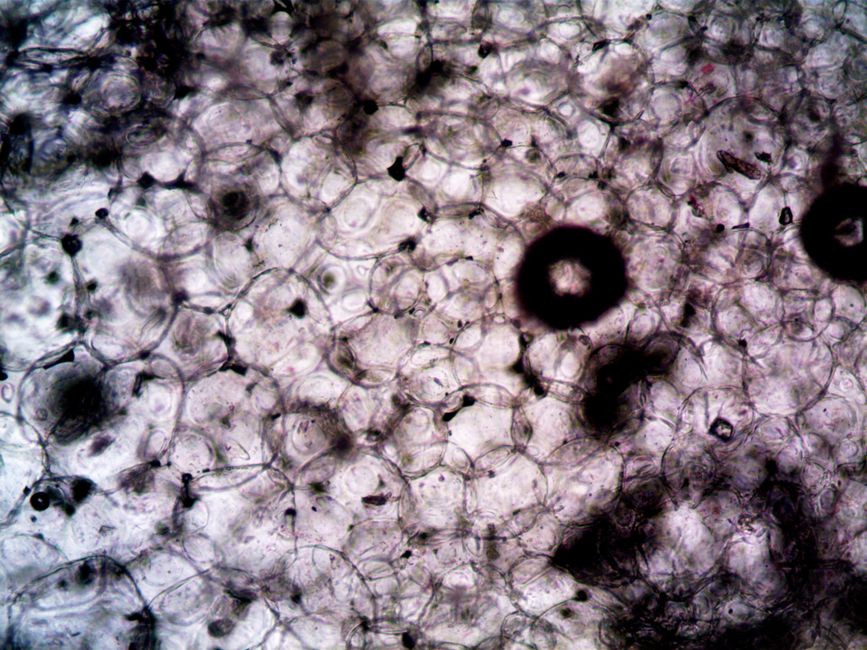
Photo by turek on Pexels
The endoplasmic reticulum (ER) is a network of interconnected membranes that extends throughout the cytoplasm. It comes in two main types:
- Rough ER (RER): This ER has ribosomes attached to its surface, making it look "rough." It's primarily involved in synthesizing and modifying proteins that will be secreted from the cell, inserted into membranes, or delivered to other organelles like the Golgi apparatus.
- Smooth ER (SER): This ER lacks ribosomes. It's involved in synthesizing lipids (fats), detoxifying drugs and poisons, and storing calcium ions.
The Golgi Apparatus: The Post Office

Photo by Bingqian Li on Pexels
The Golgi apparatus (also called the Golgi complex or Golgi body) is like the cell's post office. It's a stack of flattened membrane-bound sacs called cisternae. Proteins and lipids from the ER travel here, where they are further modified, sorted, and packaged into vesicles for transport to their final destinations.
Lysosomes: The Recycling Center
Photo by Robert So on Pexels
Lysosomes are small, membrane-bound sacs containing powerful digestive enzymes. They break down waste materials, cellular debris, and even entire old organelles, recycling their components. They're like the cell's clean-up crew.
Mitochondria: The Power Plants
Mitochondria are often called the "powerhouses" of the cell. They are responsible for cellular respiration, the process that converts nutrients into ATP (adenosine triphosphate), the main energy currency of the cell. They have their own DNA and ribosomes and are thought to have evolved from free-living bacteria.
The Cytoskeleton: The Cell's Framework
The cytoskeleton is a network of protein filaments that provides structural support to the cell, maintains its shape, and plays a role in cell movement and the transport of materials within the cell. It's made of three main types of fibers:
- Microtubules: Hollow tubes involved in cell shape, organelle movement, and forming cilia and flagella.
- Microfilaments (Actin Filaments): Solid rods involved in muscle contraction, cell shape changes, and cytoplasmic streaming.
- Intermediate Filaments: Ropelike fibers that provide tensile strength and anchor organelles.
Here's how some of these assembly components work together to make a protein that's secreted from the cell:
graph TD
    A["Nucleus (DNA/mRNA instructions)"] --> B["Ribosome (on Rough ER)"];
    B --> C["Rough ER (Protein synthesis & folding)"];
    C --> D["Transport Vesicle (budding off ER)"];
    D --> E["Golgi Apparatus (Further modification, sorting, packaging)"];
    E --> F["Secretory Vesicle (budding off Golgi)"];
    F --> G["Cell Membrane (Fusion & secretion outside cell)"];
3. Worked Example
Let's trace the journey of a protein that's meant to be an enzyme secreted into your gut to help digest food.
- Instructions from the Nucleus: The gene for this enzyme is in your cell's DNA (in the nucleus). It's transcribed into an mRNA molecule.
- Protein Synthesis: This mRNA moves out of the nucleus and attaches to a ribosome that's already docked on the Rough ER. As the ribosome reads the mRNA, it starts building the protein, and the growing protein chain enters the lumen (inside space) of the RER.
- Folding and Modification in the ER: Inside the RER, the protein folds into its correct 3D shape, and sometimes sugars are added to it (glycosylation).
- Transport to the Golgi: Once properly folded, the protein is packaged into a transport vesicle that buds off from the RER and travels to the Golgi apparatus.
- Further Processing and Sorting in the Golgi: In the Golgi, the protein undergoes more modifications. It's then sorted and tagged to ensure it goes to the right place.
- Packaging for Secretion: Finally, the modified and sorted protein is packaged into a secretory vesicle that buds off from the Golgi.
- Secretion: This secretory vesicle travels to the cell membrane, fuses with it, and releases the enzyme outside the cell, into your gut.
4. Key Takeaways
- The cytoplasm is the entire internal environment of your cell, excluding the nucleus.
- It consists of the jelly-like cytosol and various specialized organelles.
- Ribosomes are responsible for building proteins, either freely in the cytosol or on the ER.
- The ER is a network involved in protein modification (RER) and lipid synthesis/detoxification (SER).
- The Golgi apparatus sorts, modifies, and packages proteins and lipids for delivery.
- Lysosomes act as the cell's recycling and waste disposal units.
- Mitochondria generate most of the cell's energy (ATP) through cellular respiration.
- The cytoskeleton provides structural support, shape, and aids in cell movement and transport.
Common mistakes you should avoid:
- Confusing the cytoplasm with the cytosol; cytoplasm includes the cytosol and organelles.
- Thinking all ribosomes are attached to the ER; some float freely.
- Forgetting that the SER has distinct functions from the RER.
- Underestimating the importance of vesicles in moving materials between organelles and out of the cell.
5. Now Try It
Imagine you're designing a new synthetic cell. List three essential organelles you'd include in its cytoplasm to ensure it can make and export a useful protein, and briefly explain why each is necessary for that process. Then, describe one key function the cytosol itself would need to perform for the cell to survive, beyond just holding organelles. You have 15 minutes.
Frequently asked about Eukaryotic Cell Cytoplasm and Assembly Components
More from biology
Get the full biology curriculum
Clone the complete plan to your dashboard for unlimited AI-generated notes, practice quizzes, and a personalised revision schedule.
Create Free Account