Introduction to the Mackenzie River Basin Ecosystem
From the https://www.cultureunplugged.com/documentary/watch-online/play/53764/cold-amazon-the-mackenzie-river-basin?utm_source=chatgpt.com curriculum
Introduction to the Mackenzie River Basin Ecosystem
TL;DR
The Mackenzie River Basin is a vast, cold, and dynamic ecosystem in Canada, shaped by its unique geography and climate. It supports diverse wildlife and human communities, playing a crucial role in global environmental processes. Understanding its interconnected components helps us appreciate its delicate balance and importance.
1. The Mental Model
Imagine a giant, frozen funnel across Canada's north, collecting water from a huge area and draining it into the Arctic Ocean. This funnel is the Mackenzie River Basin, a place where ice, water, and cold temperatures dictate life. Everything within it is connected, from the smallest microbes to the largest animals and the human communities that call it home.
2. The Core Material
The Mackenzie River Basin (MRB) is North America's second-largest drainage basin, covering about 20% of Canada's landmass. It's a vast and complex region, largely defined by its cold climate and extensive network of rivers, lakes, and wetlands.
Geography and Climate

Photo by Nothing Ahead on Pexels
The basin stretches from the Rocky Mountains in the west to the Canadian Shield in the east, encompassing diverse landscapes like boreal forests, vast plains, and Arctic tundra. Its climate is primarily subarctic and arctic, characterized by long, cold winters and short, cool summers. Permafrost, or permanently frozen ground, is widespread, influencing everything from soil structure to water flow.
The Mackenzie River System

Photo by wal_ 172619 on Pexels
The Mackenzie River itself is the longest river in Canada, flowing nearly 1,738 km from Great Slave Lake to the Arctic Ocean. It's fed by several major tributaries, including the Peace, Athabasca, and Liard rivers, which originate far to the south and west. This extensive river system is crucial for transporting water, sediment, and nutrients across the basin. It also influences global ocean currents and climate due to the massive volume of fresh water it discharges into the Arctic.
Ecosystem Components

Photo by Pixabay on Pexels
The MRB is a mosaic of different ecosystems, each supporting specialized plant and animal life:
* Boreal Forest: Covers much of the southern and central basin, dominated by coniferous trees like spruce and pine.
* Wetlands: Extensive bogs, fens, and marshes are critical for water filtration, flood control, and habitat.
* Tundra: In the northern reaches, above the treeline, short grasses, mosses, and lichens characterize this treeless landscape.
* Lakes and Rivers: Great Slave Lake and Great Bear Lake are among the world's largest freshwater lakes, vital habitats for fish and migratory birds.
These environments support iconic wildlife such as caribou, moose, wolves, grizzly bears, and numerous bird species. The cycling of water, nutrients, and energy connects all these components.
Human Presence and Traditional Knowledge
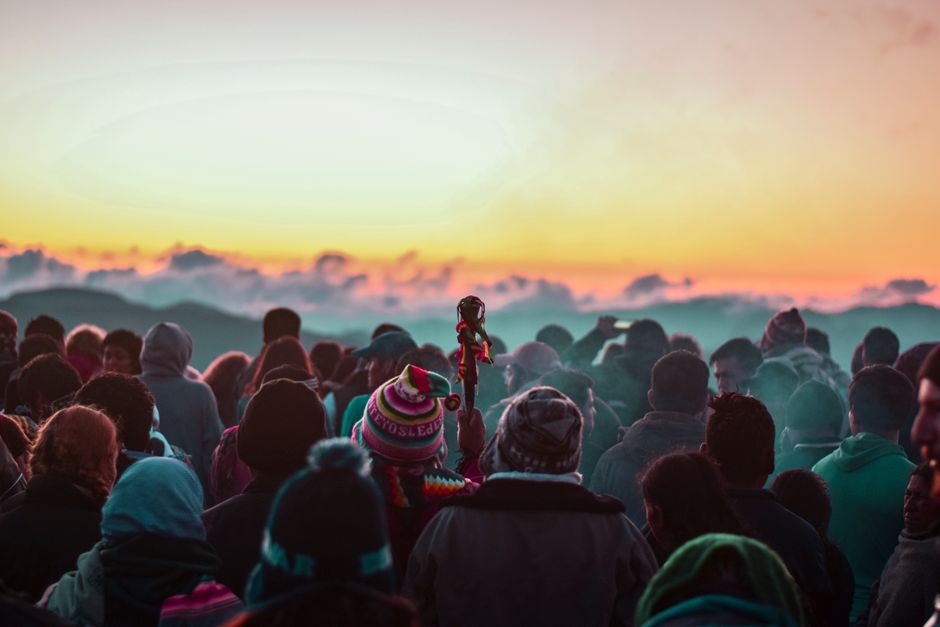
Photo by Carlos Surubi Ribera on Pexels
Indigenous peoples have lived in the Mackenzie Basin for thousands of years, developing deep traditional knowledge about the land, its resources, and its rhythms. Their cultures and livelihoods are intrinsically linked to the health of the ecosystem, often relying on hunting, fishing, and trapping. This long-standing connection provides invaluable insights into the basin's natural processes and changes over time.
Interconnections within the Mackenzie River Basin
graph TD
    A["Rocky Mountains/Western Watersheds"] --> B["Peace River"]
    C["Interior Plains/Eastern Watersheds"] --> D["Athabasca River"]
    E["Great Slave Lake"] --> F["Mackenzie River"]
    B --> E
    D --> E
    F --> G["Arctic Ocean (Beaufort Sea)"]
    H["Boreal Forest & Wetlands"] --> F
    I["Permafrost"] --> F
    J["Indigenous Communities"] --> H
    J --> F
    K["Wildlife (Caribou, Moose, Fish)"] --> H
    K --> F
    F -- "Transports water & nutrients" --> G
    H -- "Habitat & Resource" --> K
    H -- "Influence on water quality" --> F
    I -- "Impacts hydrology" --> F
3. Worked Example
Let's consider the journey of a drop of water. Imagine a raindrop falling in the Rocky Mountains of northern British Columbia, near the headwaters of the Peace River. This drop flows downstream, picking up sediments and dissolved minerals. It eventually merges with the Athabasca River's flow, which might have started as snowmelt in the Alberta Rockies. These combined waters then empty into Great Slave Lake, one of the world's largest freshwater lakes. From Great Slave Lake, our water drop joins the powerful Mackenzie River. For months, it travels north through boreal forests and past permafrost, eventually reaching the vast Mackenzie Delta before discharging into the Beaufort Sea of the Arctic Ocean. This journey demonstrates the immense scale and interconnectedness, showing how distant impacts in the south can affect the far north.
4. Key Takeaways
- The Mackenzie River Basin is Canada's largest watershed, covering a massive area shaped by a cold, often frozen climate.
- Its extensive network of rivers, lakes, and wetlands supports a rich diversity of plants and animals.
- Permafrost is a defining feature, influencing the basin's hydrology and ecosystems.
- The Mackenzie River delivers significant freshwater to the Arctic Ocean, impacting global ocean currents and climate.
- Indigenous communities have a deep, long-standing connection to the basin, contributing crucial traditional ecological knowledge.
- The entire basin is an interconnected system; changes in one area can have far-reaching effects downstream.
Common Mistakes to Avoid:
- Don't underestimate the role of permafrost; it's not just frozen ground but an active component of the ecosystem.
- Don't view the basin as just a "river"; it's a vast collection of interconnected ecosystems.
- Avoid thinking of human communities as separate from the ecosystem; they are integral to it.
- Don't forget that this cold environment is highly dynamic, not static.
5. Now Try It
Spend 15 minutes researching one specific animal species that lives in the Mackenzie River Basin (e.g., Arctic char, wood bison, Whooping Crane). Identify its primary habitat within the basin, its food sources, and how it's adapted to the cold environment. Think about how a change in water levels or permafrost thawing might affect this animal. Success means you can describe the animal's ecological niche and at least two potential impacts on it from environmental changes.
Frequently asked about Introduction to the Mackenzie River Basin Ecosystem
Get the full https://www.cultureunplugged.com/documentary/watch-online/play/53764/cold-amazon-the-mackenzie-river-basin?utm_source=chatgpt.com curriculum
Clone the complete plan to your dashboard for unlimited AI-generated notes, practice quizzes, and a personalised revision schedule.
Create Free Account