Ecosystem Fundamentals and Biomes
From the biology curriculum
TL;DR
Ecosystems are communities of living organisms interacting with their non-living environment, linked by energy flow and nutrient cycling. Biomes are large regions characterized by similar climates, dominant plant life, and animal adaptations. Understanding these concepts helps us see how life on Earth is interconnected and influenced by environmental factors.
1. The Mental Model
Think of an ecosystem as a giant, self-sustaining puzzle where every piece, living or non-living, fits together and affects the others. Biomes are like the different types of puzzle boxes, each with its own characteristic picture determined by climate.
2. The Core Material
An ecosystem is a community of living organisms (biotic components) interacting with the non-living parts of their environment (abiotic components). These interactions involve the flow of energy and the cycling of nutrients.
Biotic Components (Living)

Photo by Dylan Leagh on Pexels
These include all the living organisms within an ecosystem.
* Producers (Autotrophs): Organisms that create their own food, usually through photosynthesis (e.g., plants, algae). They form the base of the food web.
* Consumers (Heterotrophs): Organisms that obtain energy by eating other organisms.
* Primary Consumers (Herbivores): Eat producers.
* Secondary Consumers (Carnivores/Omnivores): Eat primary consumers.
* Tertiary Consumers (Carnivores/Omnivores): Eat secondary consumers.
* Decomposers: Break down dead organic matter, returning nutrients to the soil (e.g., bacteria, fungi).
Abiotic Components (Non-Living)

Photo by Alexander Liedtke on Pexels
These are the physical and chemical factors that influence the organisms in an ecosystem.
* Sunlight
* Temperature
* Water
* Soil composition
* Oxygen
* Salinity
Energy Flow and Nutrient Cycling
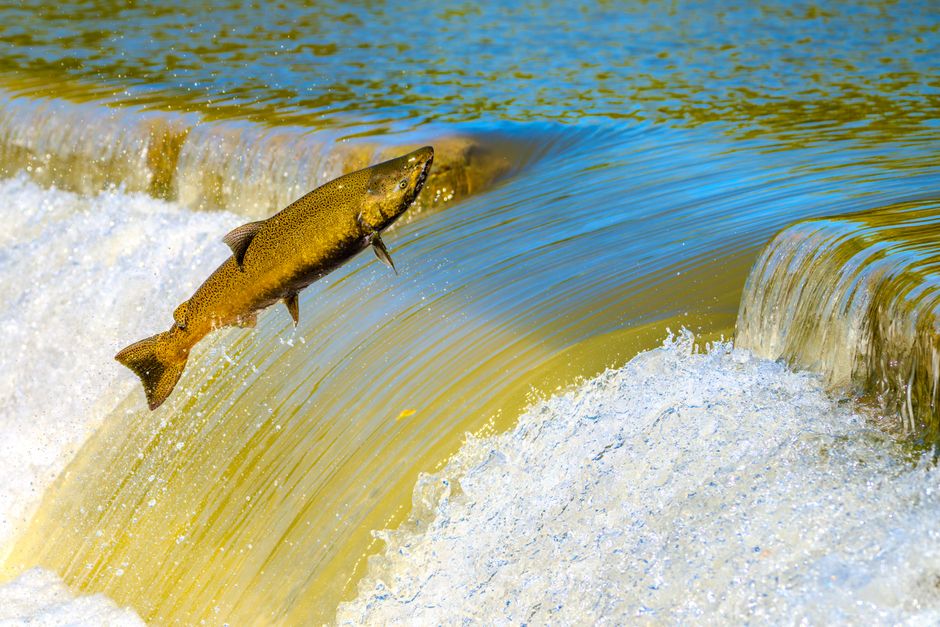
Photo by Héctor Berganza on Pexels
Energy in an ecosystem flows typically in one direction, from the sun to producers, then through various consumers. Nutrients, however, cycle through the ecosystem, meaning they are reused.
graph TD
    A["Sunlight"] --> B["Producers (e.g., Plants)"]
    B --> C["Primary Consumers (e.g., Herbivores)"]
    C --> D["Secondary Consumers (e.g., Carnivores)"]
    D --> E["Tertiary Consumers (e.g., Apex Predators)"]
    B --> F["Decomposers (e.g., Bacteria, Fungi)"]
    C --> F
    D --> F
    E --> F
    F --> G["Nutrients in Soil/Water"]
    G --> B
Figure 1: Simplified Energy Flow and Nutrient Cycling in an Ecosystem
Biomes
A biome is a large-scale ecological area defined by its climate and dominant plant and animal life. The two most significant factors determining a biome are temperature and precipitation.
Major Terrestrial Biomes:

Photo by Lauri Poldre on Pexels
- Tropical Rainforest: Hot, high rainfall, high biodiversity, dense vegetation.
- Desert: Very dry, extreme temperatures, sparse vegetation adapted to drought.
- Grassland (Savanna/Prairie): Moderate rainfall, dominated by grasses, supports grazing animals.
- Temperate Deciduous Forest: Moderate climate, distinct seasons, trees lose leaves in autumn.
- Coniferous Forest (Taiga): Cold, long winters, coniferous trees (pines, spruces).
- Tundra: Extremely cold, low-lying vegetation, permafrost.
Major Aquatic Biomes:
- Freshwater: Ponds, lakes, rivers, streams.
- Marine: Oceans, coral reefs, estuaries.
Each biome has characteristic plant and animal adaptations that allow them to survive in its specific conditions. For example, cacti in deserts have thick stems and reduced leaves to conserve water, while animals like camels store water and have specialized kidneys.
3. Worked Example
Let's consider a temperate deciduous forest biome ecosystem.
Imagine a specific forest patch.
- Abiotic factors: Moderate temperatures (warm summers, cold winters), significant rainfall, rich soil, sunlight, distinct seasons.
- Biotic factors:
- Producers: Oak trees, maple trees, ferns, mosses, wildflowers.
- Primary Consumers: Deer (eat leaves, twigs), squirrels (eat nuts), caterpillars (eat leaves), rabbits (eat grasses).
- Secondary Consumers: Foxes (eat rabbits, squirrels), owls (eat mice), insect-eating birds.
- Tertiary Consumers: Bears (omnivores, can eat deer, berries), hawks (eat smaller predators).
- Decomposers: Fungi (mushrooms), bacteria, earthworms breaking down fallen leaves and dead animals.
Energy Flow: Sunlight is captured by the oak and maple trees. A deer eats oak leaves, gaining energy. A fox then hunts and eats the deer, transferring that energy. When the fox dies, decomposers break down its body, returning nutrients to the soil.
Nutrient Cycling: The nutrients from the dead fox and fallen leaves are released into the soil by decomposers. These nutrients are then absorbed by the roots of the oak and maple trees, allowing them to grow, thus continuing the cycle.
4. Key Takeaways
- Ecosystems involve constant interactions between living (biotic) and non-living (abiotic) components.
- Energy flows directionally from producers to consumers, while nutrients cycle within the ecosystem.
- Biomes are large regions defined by similar climate patterns, particularly temperature and precipitation.
- Each biome supports specific plant and animal life with adaptations suited to its unique environment.
- Human activities can significantly impact both ecosystem balance and biome characteristics.
Common Mistakes to Avoid:
- Confusing energy flow with nutrient cycling; energy is lost at each trophic level, but nutrients are reused.
- Forgetting that decomposers are crucial biotic components, not just "clean-up crew."
- Thinking that a biome is just a collection of ecosystems; it's a larger-scale classification based on climate.
- Underestimating the role of abiotic factors in shaping biotic communities.
5. Now Try It
Choose one of the major terrestrial biomes not discussed in the example (e.g., Tropical Rainforest or Tundra). Spend 15 minutes describing a typical ecosystem within that biome. Identify at least three biotic components (one producer, one consumer, one decomposer) and three abiotic components. Explain how one specific plant or animal adaptation helps an organism survive in that biome. What does success look like? You've successfully identified the key elements and explained their interconnections and adaptations clearly.
Frequently asked about Ecosystem Fundamentals and Biomes
Study this next
Get the full biology curriculum
Clone the complete plan to your dashboard for unlimited AI-generated notes, practice quizzes, and a personalised revision schedule.
Save this course free