Water and River Ecosystems
From the easy geog curriculum
TL;DR
Water and river ecosystems are dynamic natural systems where flowing water shapes the environment and supports diverse life. Rivers are crucial for transporting water and nutrients, creating habitats from source to mouth. Human activities significantly impact these ecosystems, requiring careful management for their health and our well-being.
1. The Mental Model
Imagine a river as a living, breathing artery of the land, constantly moving and changing, connecting different environments, and supporting a web of life. It's not just water; it's a whole system.
2. The Core Material
What is a Water and River Ecosystem?
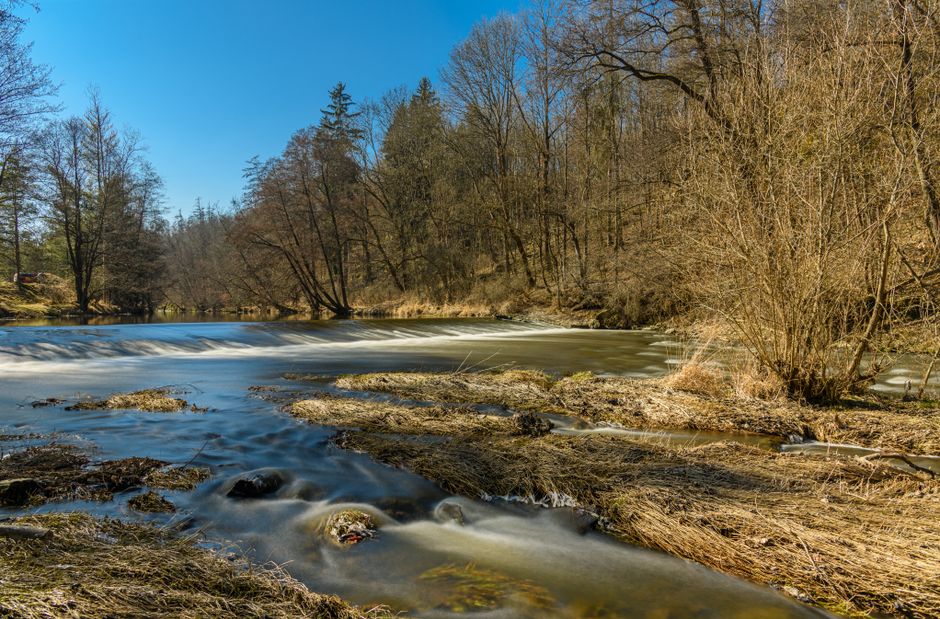
Photo by Petr Ganaj on Pexels
A river ecosystem includes the river itself (the flowing water), its bed, banks, and the surrounding land that influences it (the riparian zone). It also includes all the living organisms (plants, animals, microbes) that live in or depend on the river, and the non-living things like rocks, sediment, and dissolved chemicals.
The River Continuum Concept
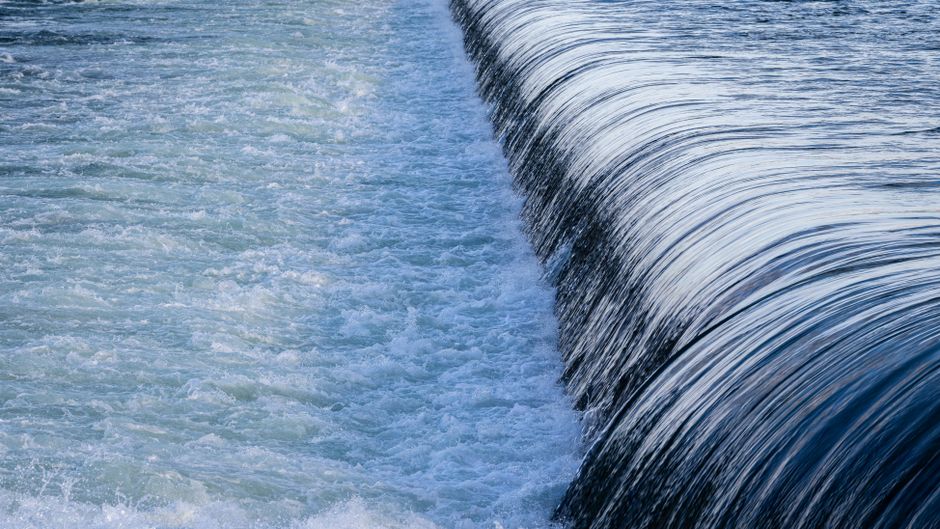
Photo by Ali Soheil on Pexels
The River Continuum Concept (RCC) explains how the characteristics of a river ecosystem change as you move from its source (headwaters) downstream to its mouth. It's a useful way to understand the flow of energy and how communities of organisms adapt along the river's length.
graph TD
    A["Headwaters (Source)"] --> B["Transfer Zone (Mid-stream)"]
    B --> C["Depositional Zone (Lower River/Mouth)"]

    subgraph Headwaters
        A1["High gradient, cold, narrow"]
        A2["Shaded, low primary production"]
        A3["Inputs: leaf litter (allochthonous)"]
        A4["Organisms: Shredders, collectors"]
    end

    subgraph Transfer Zone
        B1["Moderate gradient, wider, warmer"]
        B2["More sunlight, increased algae/plants (autochthonous)"]
        B3["Inputs: fine organic matter, some photosynthesis"]
        B4["Organisms: Grazers, collectors, predators"]
    end

    subgraph Depositional Zone
        C1["Low gradient, wide, warm, slow flow"]
        C2["Turbid, less light penetration"]
        C3["Inputs: fine sediment, dissolved organic matter"]
        C4["Organisms: Collectors, filter-feeders, burrowers"]
    end

    A --> A1
    A --> A2
    A --> A3
    A --> A4
    B --> B1
    B --> B2
    B --> B3
    B --> B4
    C --> C1
    C --> C2
    C --> C3
    C --> C4
Key Components of River Ecosystems

Photo by Nic Wood on Pexels
- Abiotic Factors (Non-living):
- Flow/Velocity: Determines sediment transport, oxygen levels, and habitat.
- Temperature: Influences metabolic rates of organisms and dissolved oxygen.
- Substrate: The material on the riverbed (rocks, gravel, sand, mud) provides habitat.
- Dissolved Oxygen (DO): Essential for aquatic life; affected by temperature, flow, and organic matter.
- Nutrients: Nitrogen and phosphorus levels influence plant growth.
- Light: Affects photosynthesis by aquatic plants and algae.
- Biotic Factors (Living):
- Producers: Algae, aquatic plants that photosynthesize.
- Consumers: Insects, fish, amphibians, birds, mammals that feed on producers or other consumers.
- Decomposers: Bacteria and fungi that break down dead organic matter.
Human Impacts

Photo by Tom Fisk on Pexels
Human activities profoundly impact river ecosystems:
- Pollution: Industrial, agricultural, and urban runoff introduces chemicals, plastics, and excess nutrients.
- Dams and Diversions: Alter natural flow regimes, block fish migration, change temperature and sediment transport.
- Habitat Destruction: Clearing riparian vegetation, dredging, and channelization destroy natural habitats.
- Over-extraction: Taking too much water for irrigation or drinking reduces river flow.
- Climate Change: Alters precipitation patterns, leading to more floods or droughts, and affects water temperature.
3. Worked Example
Imagine a small river in a forested area (headwaters). You'd expect to find lots of fallen leaves and twigs providing food for shredders (like certain caddisfly larvae) that break them down. The water is cold and clear, with high oxygen. As this river flows into a wider, sunnier valley (transfer zone), algae starts to grow on rocks, and you'd see grazers (like snails or other insect larvae) feeding on it. Further downstream, in a slow, wide section near a town (depositional zone), the water becomes murkier, with fine sediment. Here, filter-feeders (like mussels) and collectors (like blackfly larvae) would be common, sifting food particles from the water or sediment. If a factory discharges warm, nutrient-rich water here, you might see a decrease in oxygen-sensitive species and an increase in algae blooms.
4. Key Takeaways
- River ecosystems are complex systems of flowing water, land, and life that change from source to mouth.
- The River Continuum Concept helps explain how river characteristics and life change along its length.
- Abiotic factors like flow, temperature, and dissolved oxygen are critical for supporting biotic life in rivers.
- Human activities like pollution, dam construction, and water extraction severely impact river health.
- Healthy riparian zones (vegetation along river banks) are vital for filtering runoff and providing habitat.
- Rivers provide essential ecosystem services like water supply, flood control, and habitat for biodiversity.
Common Mistakes to Avoid
- Don't assume all parts of a river are the same; conditions change dramatically from source to mouth.
- Don't forget the importance of the land around the river (riparian zone) in influencing its health.
- Avoid thinking of rivers as just pipes; they are dynamic, living systems.
- Don't underestimate the cumulative impact of small human disturbances on a river.
- Don't overlook the role of invisible organisms like bacteria and fungi in nutrient cycling.
5. Now Try It
Choose a local river, stream, or even a drainage ditch near you. Spend 15 minutes observing it. What do you see? Is the water clear or murky? Fast or slow? Are there plants growing in or around it? Can you spot any animals (insects, birds, fish)? Think about how human activities in the surrounding area might be affecting this specific water body. Imagine what it might have looked like 50 years ago and what it might look like in another 50 years. What evidence do you see of its ecosystem function?
Frequently asked about Water and River Ecosystems
More from easy geog
Get the full easy geog curriculum
Clone the complete plan to your dashboard for unlimited AI-generated notes, practice quizzes, and a personalised revision schedule.
Create Free Account