Aquatic Ecosystem Processes and Interactions
From the aquatic ecology curriculum
TL;DR
Aquatic ecosystems function through complex processes like energy flow, nutrient cycling, and species interactions. These processes determine the health and productivity of the ecosystem. Understanding them helps us manage and conserve aquatic environments.
1. The Mental Model
Think of an aquatic ecosystem as a busy city. Energy is the currency, nutrients are the resources, and organisms are the citizens, all connected and influencing each other in their daily activities and survival.
2. The Core Material
Aquatic ecosystems are dynamic environments where living organisms (biotic components) interact with their physical and chemical surroundings (abiotic components). These interactions drive several key processes that define the ecosystem's structure and function.
Energy Flow: The Fuel of the System

Photo by Magda Ehlers on Pexels
Energy in aquatic ecosystems primarily comes from sunlight, captured by primary producers (like algae and aquatic plants) through photosynthesis. This energy then flows through different trophic levels:
- Producers: Convert light energy into chemical energy.
- Primary Consumers (Herbivores): Eat producers.
- Secondary Consumers (Carnivores/Omnivores): Eat primary consumers.
- Tertiary Consumers: Eat secondary consumers.
- Decomposers: Break down dead organic matter, returning nutrients to the system.
This flow isn't 100% efficient; a significant amount of energy is lost as heat at each transfer. This is why food chains are typically short.
Nutrient Cycling: Recycling Life's Building Blocks

Photo by Radek Przybyłek on Pexels
Nutrients like nitrogen, phosphorus, and carbon are essential for life. They aren't lost from the ecosystem but are continuously recycled.
- Uptake: Producers take up dissolved nutrients from the water.
- Consumption: Consumers obtain nutrients by eating other organisms.
- Decomposition: Decomposers (bacteria, fungi) break down dead organic matter and waste products, releasing inorganic nutrients back into the water for producers to use again.
- Sedimentation/Resuspension: Nutrients can also settle into sediments and be re-released.
Species Interactions: Who Eats Whom and Why
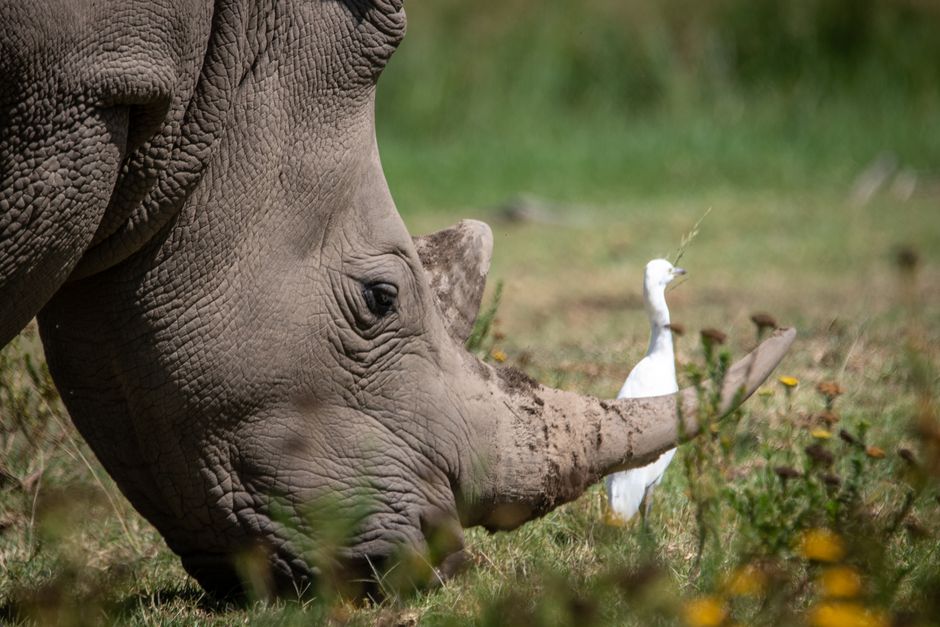
Photo by Magda Ehlers on Pexels
Organisms within aquatic ecosystems interact in various ways, influencing population dynamics and ecosystem structure:
- Predation: One organism (predator) consumes another (prey).
- Competition: Organisms vie for the same limited resources (food, space, light).
- Symbiosis: Close, long-term interactions between different species:
- Mutualism: Both species benefit.
- Commensalism: One benefits, the other is unaffected.
- Parasitism: One benefits (parasite) at the expense of the other (host).
Physical and Chemical Interactions: The Environment's Role
Photo by Marie Gaebel on Pexels
Abiotic factors strongly influence biotic processes:
- Temperature: Affects metabolic rates, dissolved oxygen levels, and species distribution.
- Light: Essential for photosynthesis; penetration depth determines primary production zones.
- Dissolved Oxygen (DO): Crucial for aquatic respiration; influenced by temperature, primary production, and decomposition.
- pH: Affects enzyme activity and nutrient availability.
- Water Flow/Currents: Distributes nutrients, organisms, and can shape habitats.
Here's a simplified view of how these core processes are interconnected:
graph TD
    A["Sunlight Energy"] --> B["Primary Producers (e.g., Algae)"];
    B --> C["Primary Consumers (e.g., Zooplankton)"];
    C --> D["Secondary Consumers (e.g., Small Fish)"];
    D --> E["Tertiary Consumers (e.g., Large Fish)"];
    B --> F["Decomposers (Bacteria, Fungi)"];
    C --> F;
    D --> F;
    E --> F;
    F --> G["Dissolved Inorganic Nutrients"];
    G --> B;
    H["Abiotic Factors (Temp, Light, pH, DO)"] --> B;
    H --> F;
    H --> C;
    H --> D;
    H --> E;
    B --"Release O2"--> H;
    E --"Excretion/Death"--> F;
    D --"Excretion/Death"--> F;
    C --"Excretion/Death"--> F;
3. Worked Example
Let's consider a simple pond ecosystem. Imagine a hot summer day:
- Sunlight penetrates the water, fueling algae (primary producers) to photosynthesize rapidly, consuming dissolved CO2 and producing O2.
- Zooplankton (primary consumers) graze on the algae, acquiring energy.
- Small fish (secondary consumers) feed on the zooplankton.
- If a fish dies, decomposers (bacteria) break down its body. This process uses up dissolved oxygen and releases inorganic nutrients like nitrates and phosphates back into the water.
- These released nutrients become available for the algae to use again, closing the nutrient loop.
- If it gets very hot, the water temperature increases. This reduces the amount of dissolved oxygen the water can hold and also increases the metabolic rate of decomposers, potentially leading to oxygen depletion—a major stressor for fish and other aquatic animals. This demonstrates how abiotic factors directly influence biotic processes.
4. Key Takeaways
- Energy flows directionally from producers to consumers, losing some at each step.
- Nutrients are continuously recycled within the ecosystem, not lost.
- Predation, competition, and symbiosis are key interactions shaping communities.
- Abiotic factors like temperature and light are crucial in regulating ecosystem processes.
- Decomposers are vital for nutrient recycling by breaking down dead organic matter.
- Ecosystem health relies on a balance of energy flow, nutrient availability, and species interactions.
- Human activities can significantly alter these processes, often with negative consequences.
Common Mistakes to Avoid:
- Thinking nutrients are "created" or "destroyed" rather than recycled.
- Underestimating the role of decomposers in ecosystem function.
- Ignoring abiotic factors when considering biotic processes.
- Assuming energy flow is 100% efficient.
5. Now Try It
Choose a specific aquatic ecosystem you're familiar with (e.g., a local river, a coral reef, a small lake). List three key organisms and describe how they interact with each other and at least two abiotic factors present in that ecosystem, focusing on energy flow and nutrient cycling. What would happen to the energy flow if a major pollutant reduced the primary producers by 50%?
Frequently asked about Aquatic Ecosystem Processes and Interactions
More from aquatic ecology
Get the full aquatic ecology curriculum
Clone the complete plan to your dashboard for unlimited AI-generated notes, practice quizzes, and a personalised revision schedule.
Save this course free