Human Impact and Ecosystem Implications
From the nitrogen cycle curriculum
Human Impact and Ecosystem Implications
TL;DR
Human activities significantly alter the natural nitrogen cycle, primarily through agriculture and fossil fuel burning. These alterations lead to too much reactive nitrogen in environments, causing pollution, biodiversity loss, and climate change. Understanding these impacts is crucial for managing our planet's health and creating sustainable solutions.
1. The Mental Model
Think of the nitrogen cycle as a balanced seesaw. Humans are adding heavy weights to one side, making it tip drastically and causing problems for everything else on the seesaw.
2. The Core Material
The natural nitrogen cycle is a fundamental process for life, converting atmospheric nitrogen (N₂) into usable forms like ammonia (NH₃) and nitrates (NO₃⁻) through processes like nitrogen fixation, and then returning it to the atmosphere through denitrification. Humans have drastically altered this balance, primarily through two main activities:
2.1 Industrial Nitrogen Fixation (Haber-Bosch Process)
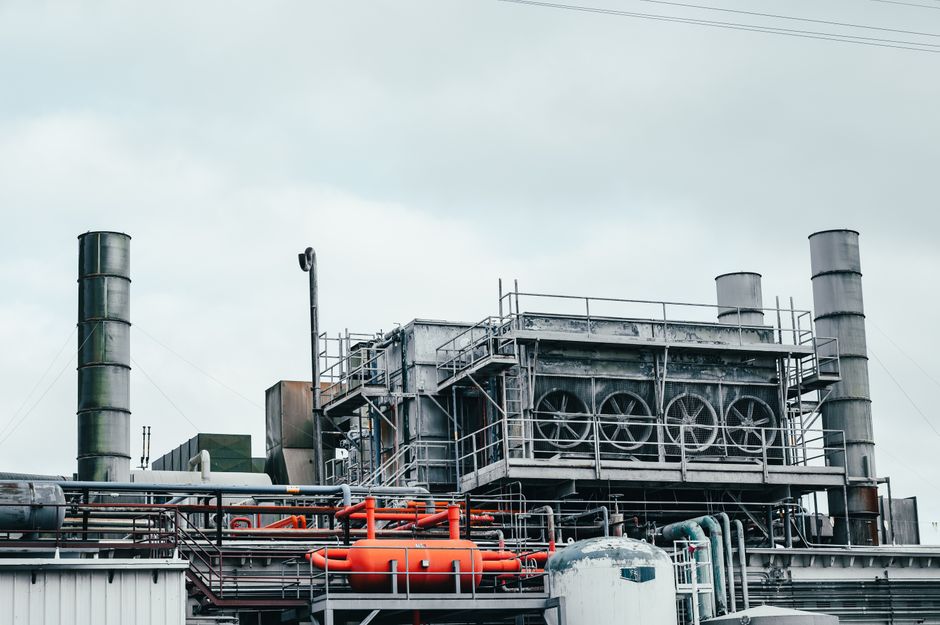
Photo by Brett Sayles on Pexels
This process converts atmospheric N₂ into ammonia (NH₃) for fertilizers. It's vital for feeding a growing global population, but it's the largest single human contribution of reactive nitrogen. This fixed nitrogen ends up in soils, gets washed into waterways, and volatilizes into the atmosphere.
2.2 Fossil Fuel Combustion
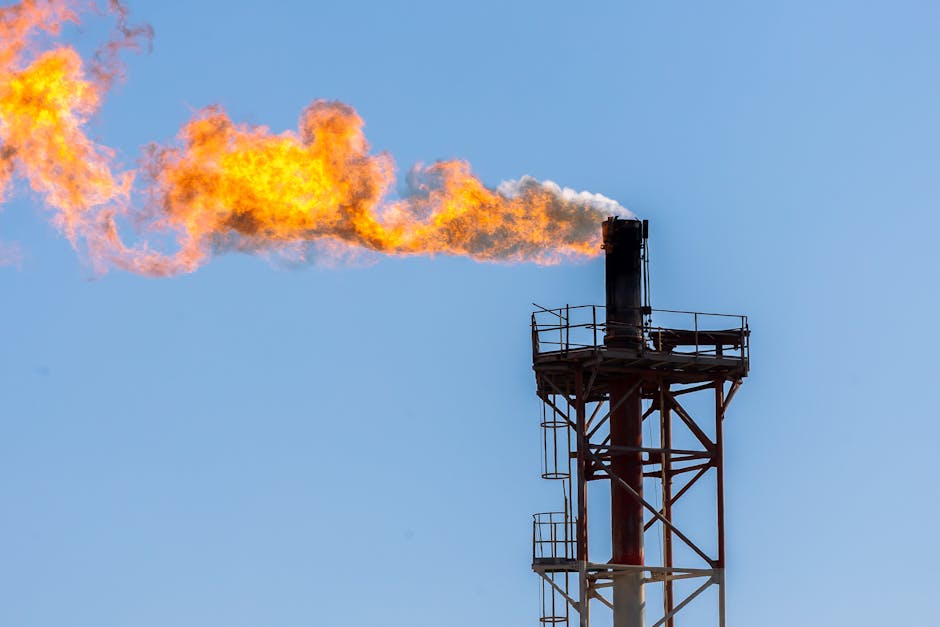
Photo by Yerevan Malerva on Pexels
Burning fossil fuels (for transportation, industry, and electricity) releases nitrogen oxides (NOx) into the atmosphere. These compounds contribute to smog, acid rain, and are potent greenhouse gases.
2.3 Other Contributions

Photo by Kindel Media on Pexels
Less significant but still impactful activities include:
* Cultivation of leguminous crops (which fix nitrogen naturally, but in agricultural settings this can be amplified).
* Biomass burning (forest fires, agricultural burning).
* Wastewater discharge (contains nitrogen from human waste and detergents).
2.4 Ecosystem Implications
Photo by Irek Marcinkowski on Pexels
The excess reactive nitrogen has several major consequences:
- Eutrophication: Too much nitrogen in aquatic ecosystems (lakes, rivers, coastal zones) acts as a fertilizer, causing excessive growth of algae and aquatic plants. When these die and decompose, oxygen is consumed, creating "dead zones" where fish and other aquatic life can't survive.
- Acid Rain: Nitrogen oxides (NOx) combine with water in the atmosphere to form nitric acid, contributing to acid rain. This harms forests, acidifies lakes, and corrodes infrastructure.
- Smog and Air Quality: NOx are precursors to ground-level ozone (a major component of smog), which is harmful to human respiratory health and plant growth.
- Greenhouse Gas Emissions: Nitrous oxide (N₂O), a byproduct of denitrification in agricultural soils and wastewater treatment, is a potent greenhouse gas, far more effective at trapping heat than CO₂ over a 100-year period.
- Biodiversity Loss: Increased nitrogen deposition can favor certain plant species over others, leading to a loss of plant diversity in natural ecosystems. Changes in plant communities can then impact insect and animal populations.
- Soil Acidification: Over time, the leaching of nitrates from agricultural soils can lead to increased soil acidity, reducing soil fertility and impacting agricultural productivity.
Here's a simplified view of how human activities impact the nitrogen cycle:
graph TD
    A["Atmospheric N2 (Stable)"] --> B("Haber-Bosch Process (Fertilizer Production)")
    A --> C("Fossil Fuel Combustion")
    B --> D("Agricultural Runoff (Excess N)")
    C --> E("NOx Emissions (Smog, Acid Rain Precursors)")
    D --> F("Eutrophication (Algal Blooms, Dead Zones)")
    E --> G("Acid Rain & Respiratory Issues")
    D --> H("N2O Emissions (Potent GHG)")
    H --> I("Climate Change")
    F --> J("Biodiversity Loss (Aquatic)")
    G --> K("Forest Damage, Soil Acidification")
3. Worked Example
Imagine a farmer uses 100 kg of nitrogen fertilizer on a field. Only about 30-50 kg of that nitrogen might actually be taken up by crops. The rest (50-70 kg) can either leach into groundwater and rivers as nitrates, convert to ammonia gas and escape into the atmosphere, or be denitrified into N₂O, a potent greenhouse gas. If this leaching happens upstream, it could contribute to algal blooms and dead zones in a coastal estuary hundreds of miles away. So, a significant portion of that initial 100 kg doesn't stay where it was applied but spreads out, causing environmental problems.
4. Key Takeaways
- Human activities, primarily fertilizer production and fossil fuel burning, have doubled the amount of reactive nitrogen cycling through the environment.
- Excess nitrogen leads to eutrophication in aquatic systems, creating "dead zones" and reducing biodiversity.
- Nitrogen oxides from burning fossil fuels contribute to smog, acid rain, and respiratory health issues.
- Nitrous oxide (N₂O), a powerful greenhouse gas, is released from agricultural soils and contributes to climate change.
- The overuse of nitrogen fertilizers can lead to soil acidification and reduced long-term soil fertility.
- Managing human nitrogen inputs is crucial for maintaining ecosystem health and mitigating climate change.
- Sustainable agriculture practices are key to reducing excess nitrogen in the environment.
Common Mistakes to Avoid:
- Don't confuse atmospheric N₂ with reactive forms of nitrogen (like NH₃, NO₃⁻, NOx, N₂O). The problem is reactive nitrogen.
- Don't think of nitrogen pollution as only affecting local areas; it's a far-reaching, interconnected problem.
- Don't forget that N₂O is a greenhouse gas, distinct from NOx, which are smog and acid rain precursors.
- Don't underestimate the scale of human impact; we've significantly altered a global biogeochemical cycle.
5. Now Try It
Think about a local agricultural area or a major city near you. What are the likely human impacts on the nitrogen cycle in that specific location? List two specific sources of nitrogen pollution (e.g., a specific type of farming, a local power plant) and one specific environmental consequence you'd expect to see there (e.g., algal blooms in a nearby river, smog advisories in the summer).
Frequently asked about Human Impact and Ecosystem Implications
Study this next
Get the full nitrogen cycle curriculum
Clone the complete plan to your dashboard for unlimited AI-generated notes, practice quizzes, and a personalised revision schedule.
Create Free Account