European Exploration and the Columbian Exchange
From the advanced placement united states history curriculum
European Exploration and the Columbian Exchange
TL;DR
European powers, driven by "God, Gold, and Glory," began extensive overseas exploration in the late 15th century, leading to the discovery and colonization of the Americas. This contact initiated the Columbian Exchange, a massive transfer of plants, animals, diseases, and cultures between the Old and New Worlds. The exchange profoundly impacted demographics, economies, and societies on both sides of the Atlantic, often with devastating consequences for indigenous populations.
1. The Mental Model
Think of European exploration as a giant, unplanned experiment in globalization. Two vastly different worlds, previously unknown to each other, suddenly collided, leading to an exchange of everything imaginable, with long-lasting and often tragic results for the people already living in the Americas.
2. The Core Material
European Motivations for Exploration

Photo by Lucas Allmann on Pexels
By the late 15th century, several factors pushed European nations, particularly Portugal and Spain, to seek new sea routes to Asia and eventually to explore westward.
- God (Religious Zeal): The desire to spread Christianity, particularly after the Reconquista in Spain, was a powerful motivator. Missionaries often accompanied explorers and colonists.
- Gold (Economic Gain): Europeans sought new sources of wealth, especially gold, silver, and valuable spices from Asia. The Ottoman control of overland trade routes made direct sea routes incredibly appealing for bypassing middlemen and increasing profits.
- Glory (Power and Prestige): National pride and competition among European monarchies fueled the race to discover and claim new territories. Monarchs sought to expand their empires and bolster their power.
- Technological Advances: Innovations in shipbuilding (caravel), navigation (compass, astrolabe), and cartography made long-distance sea voyages feasible and less risky.
Early Explorers and Routes
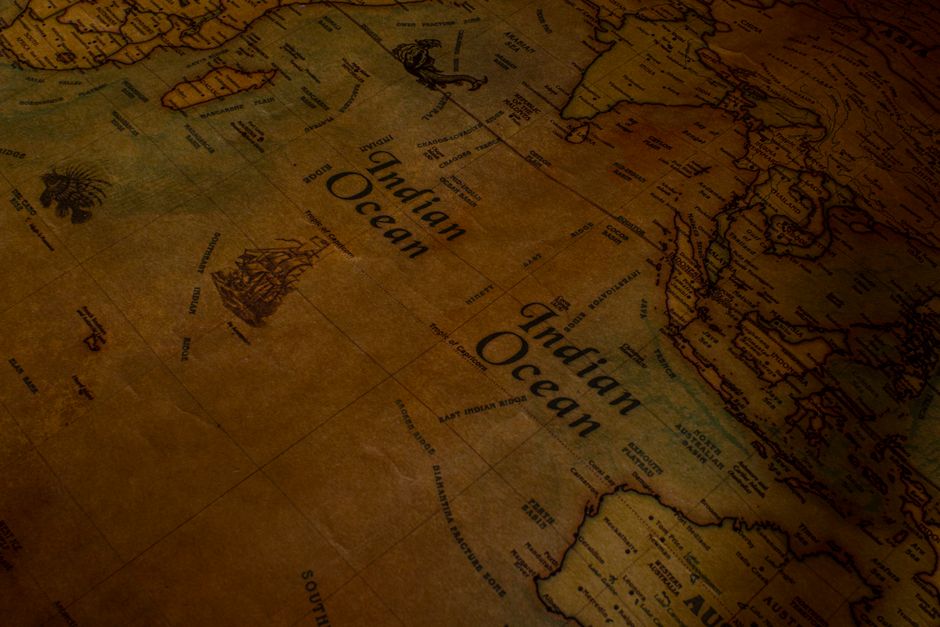
Photo by Nothing Ahead on Pexels
- Portugal: Focused on sailing east around Africa to reach Asia. Key figures include Prince Henry the Navigator (sponsored early voyages), Bartolomeu Dias (rounded the Cape of Good Hope, 1488), and Vasco da Gama (reached India, 1498).
- Spain: Sponsored Christopher Columbus, who sailed west in 1492, mistakenly believing he had reached the East Indies but instead landed in the Caribbean. This marked the beginning of sustained European contact with the Americas. Other notable Spanish explorers include Ferdinand Magellan (first circumnavigation of the Earth, 1519-1522) and Hernán Cortés (conquered the Aztec Empire).
The Columbian Exchange

Photo by Jhonny Estrada on Pexels
This term, coined by historian Alfred Crosby, describes the widespread transfer of plants, animals, culture, human populations, technology, diseases, and ideas between the Americas (the New World) and the Old World (Europe, Africa, and Asia) in the 15th and 16th centuries.
graph LR
    subgraph Old World (Europe, Africa, Asia)
        OWF["Old World Food: Wheat, Rice, Coffee, Sugar"] --> CE
        OWD["Old World Diseases: Smallpox, Measles, Flu"] --> CE
        OWA["Old World Animals: Horses, Cattle, Pigs, Sheep"] --> CE
        OWP["Old World People: Europeans, Enslaved Africans"] --> CE
        OWT["Old World Technology: Guns, Steel, Writing"] --> CE
    end

    subgraph New World (Americas)
        NWF["New World Food: Corn, Potatoes, Tomatoes, Tobacco"] --> CE
        NWA["New World Animals: Turkeys, Llamas (limited impact)"] --> CE
        NWP["New World Resources: Gold, Silver, Timber"] --> CE
    end

    CE["Columbian Exchange"]

    CE --> ImpactNW["Impact on New World: Mass deaths from disease, new crops, new animals, colonization, slavery"]
    CE --> ImpactOW["Impact on Old World: Population growth from new foods, economic boom from resources, new diseases (syphilis)"]
Impacts of the Columbian Exchange

Photo by Zulfugar Karimov on Pexels
-
To the Americas (New World):
- Devastating Diseases: European diseases like smallpox, measles, and influenza, to which indigenous populations had no immunity, caused catastrophic demographic collapse (up to 90% in some areas). This was arguably the most significant immediate impact.
- New Animals: Horses transformed hunting and warfare for Plains tribes. Cattle, pigs, and sheep were introduced, altering landscapes and indigenous diets.
- New Crops: Wheat, rice, and sugar cane were introduced, leading to plantation systems and cash-crop economies.
- Slavery: The decimation of indigenous labor forces led Europeans to import enslaved Africans to work on plantations, especially for sugar.
- Cultural and Political Disruption: European colonization dismantled existing indigenous political structures and imposed new social and religious systems.
-
To Europe (Old World):
- New Food Sources: Crops like corn (maize), potatoes, tomatoes, beans, peanuts, and chili peppers became staples, leading to significant population growth and longer lifespans. Potatoes, in particular, were crucial in preventing famines.
- Economic Boom: The influx of gold and silver from the Americas fueled European economies, leading to inflation ("Price Revolution") but also funding further expansion and mercantilist policies.
- New Goods: Tobacco, chocolate, and other goods became popular, creating new industries and trade networks.
- New Diseases: Syphilis is believed to have been brought back to Europe from the Americas.
3. Worked Example
Let's look at the impact of just one item: the potato.
Before the Columbian Exchange, potatoes were unknown outside the Andes region of South America. After their introduction to Europe, initially as a curiosity, they slowly gained acceptance, particularly in Ireland and parts of Northern Europe. Potatoes are incredibly calorically dense and can grow in poor soil, making them an ideal staple crop. Their adoption led to a significant increase in available food and, consequently, a dramatic rise in European populations during the 17th and 18th centuries. For instance, Ireland's population boomed due to its reliance on potatoes, though this also made them vulnerable to blight, as seen during the Great Famine of the 1840s. Without the potato from the New World, Europe's demographic and economic trajectory would have been vastly different.
4. Key Takeaways
- European exploration was driven by a mix of religious fervor, economic ambition, and national competition ("God, Gold, Glory").
- Technological advancements in shipbuilding and navigation enabled these long-distance voyages.
- Christopher Columbus's 1492 voyage marked the beginning of sustained contact between Europe and the Americas.
- The Columbian Exchange was a massive, two-way transfer of life forms and ideas between the Old and New Worlds.
- European diseases devastated indigenous populations in the Americas, leading to massive demographic collapse.
- New World crops (like corn and potatoes) fueled significant population growth in Europe.
- The exchange fundamentally reshaped global economies, diets, and demographics.
Common Mistakes to Avoid:
* Assuming the exchange was purely beneficial: For indigenous peoples, it was largely catastrophic due to disease and conquest.
* Underestimating the role of disease: Disease, not just warfare, was the primary factor in the rapid decline of Native American populations.
* Thinking it was a quick process: While initial contact was sudden, the full effects of the exchange unfolded over decades and centuries.
* Forgetting Africa's role: The need for labor in the Americas directly led to the transatlantic slave trade, profoundly impacting African societies.
5. Now Try It
Imagine you are a historian in 1600. Write a short journal entry (about 250 words) from the perspective of either a European merchant, a Spanish colonist in Mexico, or a Native American elder in the Caribbean. Describe how your life, daily activities, or local environment has changed due to the "new world" discoveries and the exchanges that have occurred over the past century. Be specific about at least two items from the Columbian Exchange (e.g., a new crop, an animal, a disease, or a resource).
What success looks like: Your entry clearly reflects the perspective you chose, accurately mentions specific changes caused by the Columbian Exchange, and demonstrates an understanding of both positive (from a European perspective) and negative (from an indigenous perspective) impacts.
Frequently asked about European Exploration and the Columbian Exchange
More from advanced placement united states history
Get the full advanced placement united states history curriculum
Clone the complete plan to your dashboard for unlimited AI-generated notes, practice quizzes, and a personalised revision schedule.
Create Free Account