Native American Societies Before European Contact
From the advanced placement united states history curriculum
Native American Societies Before European Contact
TL;DR
Before Europeans arrived, diverse Native American societies thrived across the continent, adapting skillfully to their varied environments. These cultures developed complex social, political, and economic structures, often sustained by agriculture and trade networks. Their interactions with each other shaped the continent long before any European influence.
1. The Mental Model
Imagine North America as a giant patchwork quilt, where each patch is a distinct Native American society. Each patch has its own unique colors, patterns, and stitching, all connected but also wonderfully individual. You're learning about these "patches" and how they functioned before anyone from Europe showed up.
2. The Core Material
Before 1492, North America wasn't an empty wilderness waiting to be discovered; it was a vibrant continent teeming with millions of people living in thousands of distinct societies. These groups had incredibly diverse cultures, languages, economies, and political systems, largely shaped by the environments they inhabited.
Environmental Adaptation and Diversity
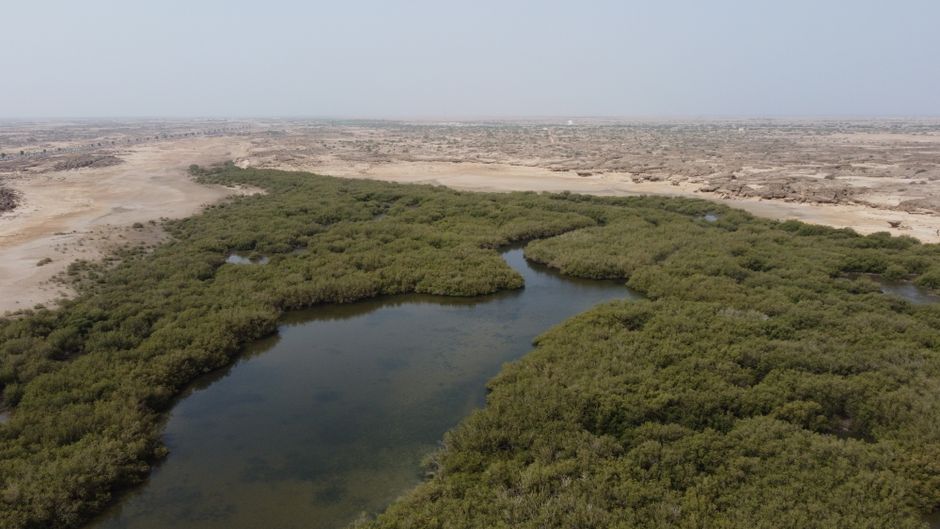
Photo by Asad Ansari on Pexels
Native American societies didn't just live in their environments; they adapted to them in profound ways. This led to vastly different ways of life from region to region. For instance:
- Southwest (e.g., Pueblo peoples): Arid climate meant reliance on irrigation, leading to settled agricultural societies with multi-story adobe dwellings. They cultivated maize, beans, and squash.
- Great Plains (e.g., Sioux, Cheyenne): Initially, some groups were sedentary farmers along rivers, but the introduction of the horse (by Europeans, later) transformed many into nomadic buffalo hunters, living in tipis.
- Northeast (e.g., Iroquois, Algonquian): Abundant forests and waterways supported a mix of hunting, fishing, and agriculture (corn, beans, squash). They often lived in longhouses and formed powerful confederacies.
- Pacific Northwest (e.g., Chinook, Kwakiutl): Rich marine resources (salmon) allowed for settled communities without extensive agriculture. They developed complex social hierarchies, elaborate art (totem poles), and large cedar plank houses.
Social and Political Structures

Photo by Mohammed Abubakr on Pexels
Many Native American societies were highly organized. While some were smaller, egalitarian bands, others developed complex chiefdoms or even confederacies that rivaled European political structures in their sophistication. The Iroquois Confederacy, for example, united several nations under a shared governance system, demonstrating a remarkable ability for diplomatic cooperation and strategic alliances. Matrilineal societies, where descent and inheritance were traced through the mother's line, were also common, giving women significant influence.
Economic Systems and Trade

Photo by Darry Lin on Pexels
Trade was a vital part of inter-tribal relations. Extensive trade networks existed across the continent, facilitating the exchange of goods like obsidian, copper, shells, furs, and agricultural products. This wasn't just about economic gain; it also fostered cultural exchange and diplomacy. Many societies practiced a form of reciprocal exchange rather than a purely market-based economy.
Agricultural Revolution
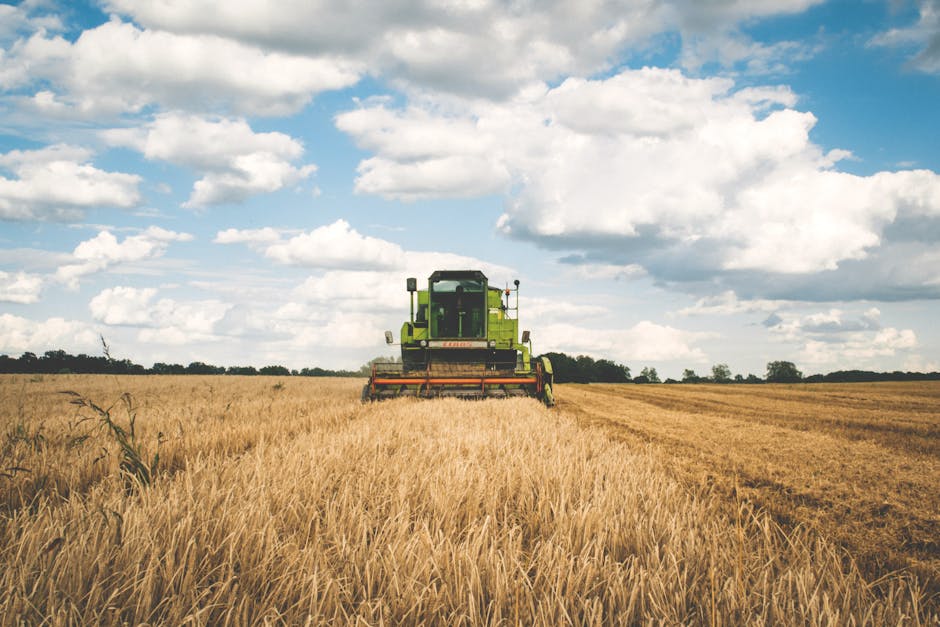
Photo by freestocks.org on Pexels
The development of agriculture, particularly the cultivation of maize (corn), was a game-changer for many groups. It allowed for settled communities, population growth, and the specialization of labor, laying the groundwork for complex societies in places like the Mississippi River Valley (Cahokia) and the Southwest.
graph TD
    A["Environment (e.g., Arid, Forest, Coast)"] --> B["Resource Availability (e.g., Maize, Salmon, Buffalo)"]
    B --> C["Societal Adaptation (e.g., Irrigation, Hunting, Fishing)"]
    C --> D["Settlement Patterns (e.g., Pueblos, Nomadic, Villages)"]
    D --> E["Economic Systems (e.g., Agriculture, Trade, Hunting)"]
    E --> F["Social/Political Structures (e.g., Confederacies, Clans, Bands)"]
    F --> G["Cultural Practices (e.g., Art, Rituals, Language)"]
    A --> G
3. Worked Example
Let's look at the Mississippian Culture, exemplified by the city of Cahokia near modern-day St. Louis, around 1050-1200 CE.
Cahokia wasn't just a village; it was a large, sophisticated urban center. Its location in the fertile Mississippi River Valley, combined with a mild climate, allowed for intensive maize agriculture. This reliable food source supported a large, dense population, estimated at up to 20,000 people at its peak—larger than London was at the same time.
This agricultural surplus freed people from constant food gathering, allowing for specialization of labor. There were artisans, priests, warriors, and leaders. This led to a complex social hierarchy, with elites living atop massive earthen mounds (like Monks Mound) and commoners living in surrounding areas. Cahokia also became a major trade hub, connecting to vast networks that stretched from the Great Lakes to the Gulf Coast, exchanging goods like copper, chert, and shells. Its decline, possibly due to environmental strain or internal conflict, shows that even complex societies faced challenges long before European contact.
4. Key Takeaways
- Native American societies were incredibly diverse, with unique cultures, languages, and political systems.
- Their ways of life were profoundly shaped by adaptation to their varied geographic and ecological environments.
- Many societies developed complex agricultural systems, especially around maize, which supported dense populations and settled communities.
- Extensive trade networks existed across the continent, facilitating both economic exchange and cultural diffusion.
- Social and political structures ranged from small, egalitarian bands to sophisticated chiefdoms and confederacies.
- These societies were dynamic, experiencing growth, change, and decline long before European arrival.
- Don't generalize all Native American groups into one category; their differences are crucial.
Common Mistakes to Avoid:
- Assuming all Native Americans were nomadic hunter-gatherers; many were settled farmers.
- Thinking Native American societies were primitive or undeveloped; they had complex social and political systems.
- Believing Native American societies existed in isolation; they had extensive trade and interaction networks.
- Overlooking the diversity within broad regional classifications (e.g., "Plains Indians" weren't all the same).
5. Now Try It
Choose two distinct geographical regions (e.g., Southwest and Northeast, or Pacific Northwest and Great Plains). For each region, identify one specific Native American group that lived there before European contact. Then, in a short paragraph for each, describe how their environment shaped their primary food sources, settlement patterns, and a notable aspect of their social or political organization.
Success looks like: You've identified two groups, accurately linked them to their environment, described their adaptations (food, housing), and mentioned a specific cultural or political feature for each, all within two concise paragraphs.
Frequently asked about Native American Societies Before European Contact
More from advanced placement united states history
Get the full advanced placement united states history curriculum
Clone the complete plan to your dashboard for unlimited AI-generated notes, practice quizzes, and a personalised revision schedule.
Create Free Account