Imperial Conflicts and the Path to Revolution
From the advanced placement united states history curriculum
Imperial Conflicts and the Path to Revolution
TL;DR
European imperial rivalries in North America, particularly the French and Indian War, deeply impacted the British colonies. Britain's subsequent attempts to recoup war costs and assert control led to growing colonial resistance. This escalating tension over taxation and representation ultimately paved the way for the American Revolution.
1. The Mental Model
Think of it like a family squabble that turns into a full-blown breakup. First, you're fighting someone else's battles, then they start making demands that feel unfair, and pretty soon, you're ready to move out.
2. The Core Material
Before the mid-18th century, British policy towards its American colonies was often characterized by "salutary neglect." This meant Britain largely let the colonies govern themselves and manage their own affairs, as long as they remained economically beneficial. This hands-off approach allowed colonial assemblies to gain significant power and colonists to develop a strong sense of self-reliance and distinct identity.
However, a series of global imperial conflicts, primarily between Great Britain and France, dramatically altered this relationship. These conflicts, which often spilled over into North America, forced Britain to exert more control and demand more from its colonies.
The French and Indian War (Seven Years' War)

Photo by Mikhail Nilov on Pexels
The most significant of these conflicts was the French and Indian War (1754-1763), known globally as the Seven Years' War. This war was a struggle for control of North America, particularly the Ohio River Valley, a key territory for westward expansion and fur trade.
You need to understand the causes and consequences of this war to grasp why the path to revolution accelerated afterward.
graph TD
    A["European Imperial Rivalry (Britain vs. France)"] --> B["Competition for North American Territory (Ohio River Valley)"]
    B --> C["British Colonists Expand Westward"]
    C --> D["French Build Forts to Assert Claim"]
    D --> E["Initial Skirmishes (e.g., Washington at Fort Necessity)"]
    E --> F["French and Indian War (1754-1763)"]
    F --> G["British Victory and Treaty of Paris (1763)"]
    G --> H["Great Britain Gains Vast New Territory"]
    H --> I["Massive British War Debt"]
    I --> J["British Desire for Increased Control over Colonies"]
    J --> K["End of Salutary Neglect & New Tax/Control Policies (e.g., Stamp Act, Townshend Acts)"]
    K --> L["Colonial Resistance (e.g., Protests, Boycotts)"]
    L --> M["Escalating Tensions & Path to Revolution"]
Key Outcomes of the French and Indian War:
- Massive British Debt: The war was incredibly expensive, costing Britain millions of pounds. This debt became a primary driver for new taxation policies aimed at the colonies.
- Territorial Expansion: Britain gained all French territory east of the Mississippi River, including Canada. This removed a major French threat to the colonies.
- End of Salutary Neglect: With the French threat gone and a huge debt to pay, Britain abandoned its hands-off approach. It felt the colonies should help pay for their own defense and the cost of the empire.
- Proclamation of 1763: To prevent further conflict with Native Americans (who often allied with the French and had fought alongside them), Britain issued this proclamation, forbidding colonial settlement west of the Appalachian Mountains. This angered many colonists who saw it as an infringement on their rights and westward expansion.
- Increased British Military Presence: More British soldiers were stationed in the colonies, ostensibly for defense, but colonists viewed them with suspicion and as symbols of control.
Shifting British Policy and Colonial Reaction
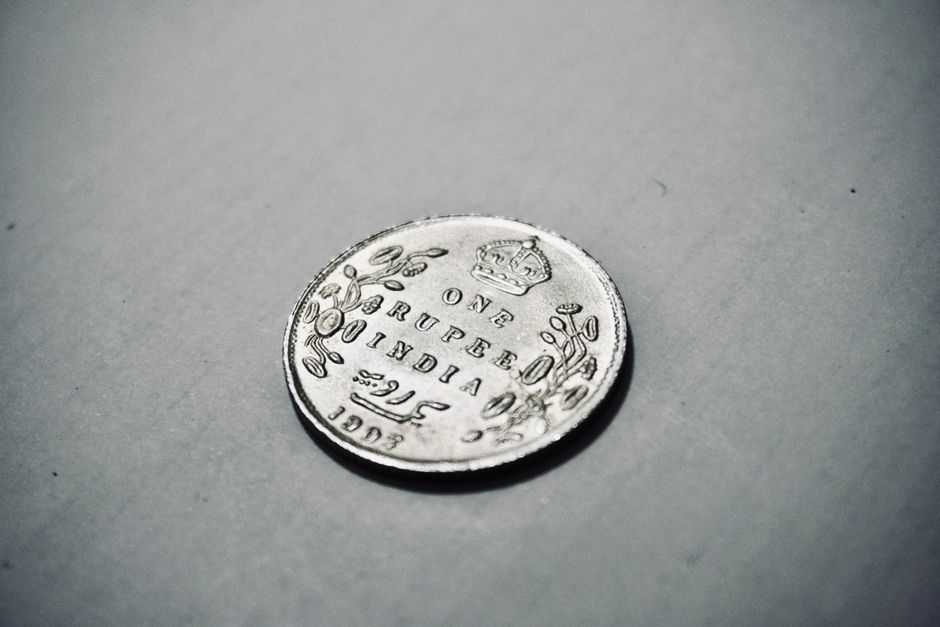
Photo by Dhruv Pulipaka on Pexels
After the war, Britain began implementing a series of acts designed to raise revenue and assert greater control.
- Sugar Act (1764): Placed duties on sugar and molasses imported into the colonies. While it actually lowered the duty on molasses, it aimed to enforce collection more strictly, disrupting the lucrative smuggling trade.
- Stamp Act (1765): Required colonists to purchase special stamped paper for legal documents, newspapers, playing cards, etc. This was a direct tax, not just a trade regulation, and affected nearly everyone. It sparked widespread protest, leading to the Stamp Act Congress and boycotts.
- Declaratory Act (1766): Passed at the same time the Stamp Act was repealed, this act stated Parliament had the right to make laws binding the colonies "in all cases whatsoever." It was a clear assertion of parliamentary supremacy.
- Townshend Acts (1767): Levied duties on imported goods like glass, lead, paint, paper, and tea. Also, created new customs enforcement mechanisms and allowed for writs of assistance (general search warrants). These acts led to more boycotts and unrest, including the Boston Massacre (1770).
- Tea Act (1773): Granted the British East India Company a monopoly on tea sales in the colonies, allowing them to sell tea cheaper than smuggled tea. While seemingly beneficial, colonists saw it as another attempt to assert parliamentary right to tax and to trick them into accepting the Townshend duties. This directly led to the Boston Tea Party.
- Intolerable Acts (Coercive Acts, 1774): In response to the Boston Tea Party, Parliament passed a series of punitive measures: closing Boston Harbor, revoking Massachusetts' charter, allowing British officials accused of crimes to be tried in Britain, and expanding the Quartering Act. These acts united the colonies in opposition and directly led to the First Continental Congress.
3. Worked Example
Let's look at the immediate aftermath of the Stamp Act.
The British government, reeling from war debt, passed the Stamp Act in 1765. This was the first direct tax Parliament had ever imposed on the colonies. Rather than indirect duties on trade, you had to pay for a stamp on almost all printed materials, from legal documents to newspapers.
Colonists reacted with widespread outrage. They argued this was "taxation without representation" – they had no elected representatives in Parliament to consent to such taxes. Patrick Henry, a Virginia lawyer, famously declared in the Virginia House of Burgesses that only Virginia's assembly had the right to tax Virginians.
Nine colonies sent delegates to the Stamp Act Congress in New York City in October 1765. This was a crucial step towards intercolonial unity. The Congress issued a Declaration of Rights and Grievances, asserting that Parliament could not tax them without representation.
More powerfully, colonists organized widespread boycotts of British goods. Groups like the Sons of Liberty intimidated stamp distributors, often burning effigies or physically attacking them. Merchants in colonial cities signed non-importation agreements, refusing to buy British goods.
The economic pressure from these boycotts hit British merchants hard. Faced with immense colonial resistance and economic fallout, Parliament repealed the Stamp Act in 1766. However, they immediately passed the Declaratory Act, which effectively said, "We're repealing this specific tax, but don't get any ideas – we still have the power to tax you on anything." This showed that while colonists had won a battle, the fundamental disagreement over parliamentary authority remained unresolved, setting the stage for future conflicts.
4. Key Takeaways
- The French and Indian War profoundly changed the relationship between Britain and its American colonies by creating massive British debt and removing the French threat.
- Britain abandoned "salutary neglect" after the war, seeking to exert more control and raise revenue from the colonies.
- The concept of "taxation without representation" became the central grievance for colonists against British policies like the Stamp Act and Townshend Acts.
- Colonial resistance, through boycotts, protests, and intercolonial congresses, demonstrated a growing sense of unity and a willingness to defy British authority.
- The Declaratory Act confirmed Britain's belief in its ultimate sovereignty over the colonies, directly clashing with colonial claims of self-governance.
- The Intolerable Acts, a punitive response to the Boston Tea Party, pushed the colonies further towards organized rebellion and the First Continental Congress.
- These escalating imperial conflicts and their aftermath were the primary catalyst for the American Revolution.
Common Mistakes to Avoid:
- Don't confuse the causes of the French and Indian War with the causes of the American Revolution; the former led to the latter.
- Don't assume all colonists immediately wanted independence; many just wanted a return to the pre-1763 relationship with Britain.
- Don't underestimate the significance of economic factors (war debt, taxes, boycotts) in driving the conflict.
- Don't forget that Native Americans were significant players in these conflicts, not just background figures.
5. Now Try It
Imagine you're a colonist living in Boston in 1774. Write a short journal entry (100-150 words) describing your feelings and concerns about the British policies after the French and Indian War, specifically mentioning at least two acts or events that have upset you. What do you think should happen next? Success looks like clearly articulating a colonial perspective, demonstrating knowledge of specific British actions, and hinting at the growing desire for autonomy or collective action.
Frequently asked about Imperial Conflicts and the Path to Revolution
More from advanced placement united states history
Get the full advanced placement united states history curriculum
Clone the complete plan to your dashboard for unlimited AI-generated notes, practice quizzes, and a personalised revision schedule.
Create Free Account