Early European Colonialism in the Americas
From the advanced placement united states history curriculum
Early European Colonialism in the Americas
TL;DR
European powers, driven by economic, religious, and political motives, established colonies in the Americas, fundamentally reshaping societies and landscapes. This process involved exploration, conquest, and the exploitation of both natural resources and indigenous peoples. The legacy of this period continues to influence modern American nations.
1. The Mental Model
Imagine Europe as a crowded house and the Americas as a vast, newly discovered mansion. Europeans rushed in, each trying to claim rooms, gather treasures, and remake the mansion in their own image, often without regard for the current residents.
2. The Core Material
When we talk about early European colonialism in the Americas, we're focusing on the period roughly from the late 15th century through the 17th century. Different European nations had different approaches, but they all shared some core motivations and impacts.
The "Three G's": Gold, Glory, and God

Photo by Douglas Mendes on Pexels
These three motives sum up why Europeans embarked on such dangerous voyages and costly colonial ventures:
- Gold (Wealth): This was a huge driver. Europeans sought new sources of wealth, including precious metals (like silver and gold), new crops (like sugar, tobacco, cotton), and access to valuable trade routes. The economic theory of mercantilism, where a nation's power was directly tied to its wealth (especially gold and silver), fueled this desire. Colonies were seen as sources of raw materials and markets for finished goods.
- Glory (Power & Prestige): Establishing colonies was a way for European monarchs and nations to gain power, prestige, and influence on the global stage. Competing with rival nations (like England vs. Spain or France) often spurred further expansion. Explorers and conquistadors also sought personal fame and fortune.
- God (Religion & Conversion): Religious zeal, particularly among Catholics, played a significant role. The desire to spread Christianity and convert indigenous populations was a stated goal, often used to justify conquest and exploitation. Missionaries accompanied many expeditions, sometimes protecting native populations but often contributing to the destruction of indigenous cultures.
Key European Players and Their Approaches

Photo by Omar Ramadan on Pexels
Different nations had distinct methods and foci:
- Spain: Focused heavily on extracting mineral wealth (gold and silver) from Central and South America. They established a hierarchical society with a vast bureaucracy, the encomienda system (which exploited indigenous labor), and later the asiento system (for enslaved Africans). They emphasized conversion to Catholicism.
- France: Primarily interested in the fur trade in North America (Canada and the Mississippi Valley). They often established trading posts and maintained more cooperative (though still exploitative) relationships with Native American tribes compared to the Spanish or English, relying on them for furs.
- England: Established agricultural settlements in North America, aiming for long-term residency and land ownership. They brought more families and focused on cash crops like tobacco. Their relationship with Native Americans was often characterized by conflict over land.
- Netherlands (Dutch): Focused on trade and commerce, establishing New Netherland (present-day New York) as a trading hub. They were less interested in large-scale settlement than the English but were significant players in the fur trade and later the transatlantic slave trade.
Impact on Indigenous Peoples
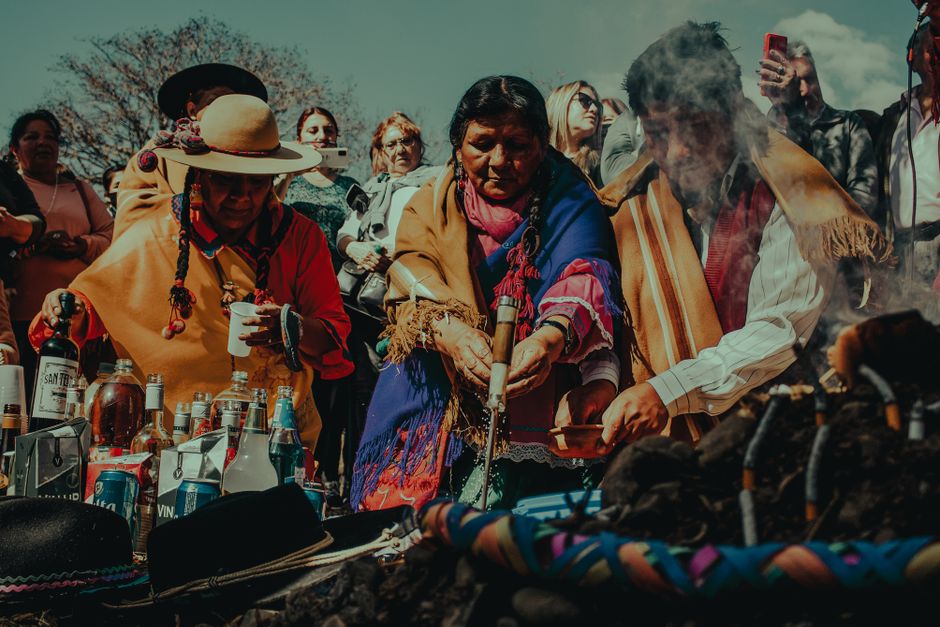
Photo by Luis Muñoz on Pexels
The arrival of Europeans was catastrophic for Native American populations.
- Disease: European diseases (smallpox, measles, influenza) to which indigenous people had no immunity caused massive demographic collapse, often wiping out 90% or more of populations in some areas.
- Conquest and Displacement: Europeans used superior weaponry, military tactics, and often internal divisions among tribes to conquer and displace indigenous nations from their ancestral lands.
- Slavery and Exploitation: Indigenous people were enslaved, forced into labor (e.g., in mines or on plantations), and exploited under systems like the encomienda.
- Cultural Destruction: European religions, languages, and social systems were imposed, leading to the suppression and destruction of many indigenous cultures and ways of life.
Here's a diagram illustrating the interconnected motivations and impacts:
graph TD
    A["European Motivations"] --> B["Quest for Wealth (Gold, Resources)"];
    A --> C["National Power & Prestige (Glory)"];
    A --> D["Religious Zeal (God)"];

    B --> E["Establishment of Colonies"];
    C --> E;
    D --> E;

    E --> F["Exploitation of Land & Resources"];
    E --> G["Exploitation of Indigenous Labor"];
    E --> H["Transatlantic Slave Trade (later)"];

    F --> I["Demographic Collapse (Disease)"];
    G --> I;
    I --> J["Cultural Destruction"];
    J --> K["Inter-European Rivalries (e.g., Anglo-Spanish War)"];

    H --> K;
The Transatlantic Slave Trade
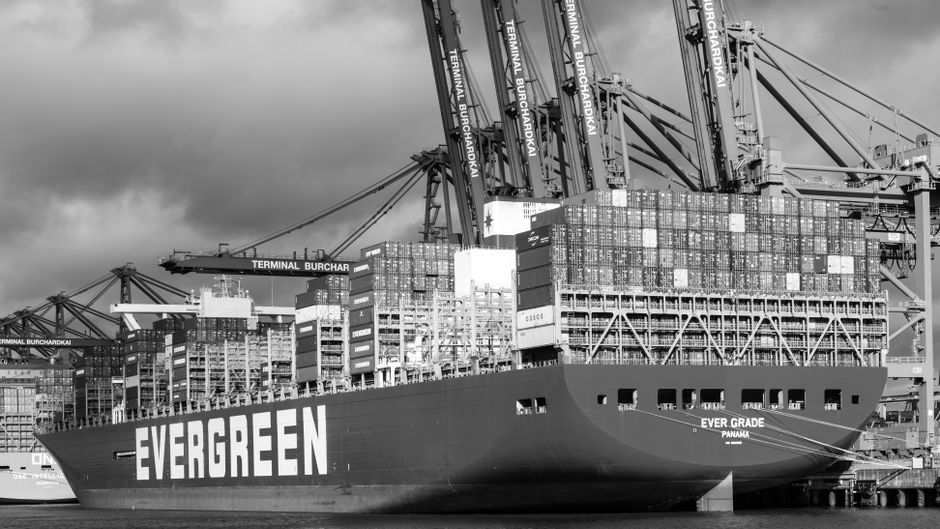
Photo by Wolfgang Weiser on Pexels
As indigenous populations dwindled due to disease and brutal treatment, Europeans (especially the Portuguese, Spanish, Dutch, and English) increasingly turned to enslaved Africans to provide labor for their American colonies, particularly for labor-intensive cash crops like sugar and tobacco. This established the horrific transatlantic slave trade, which forcibly brought millions of Africans to the Americas, creating a new, brutal social and economic order.
3. Worked Example
Imagine you're a Spanish conquistador like Hernán Cortés. You land in what is now Mexico in 1519. You hear tales of a powerful empire, the Aztecs, with vast quantities of gold. Your motivations are clear:
- Gold: You want to seize the Aztec gold and silver for yourself and the Spanish Crown.
- Glory: Conquering such a powerful empire would bring immense fame and status.
- God: You are also tasked with converting the "heathen" natives to Catholicism, which provides a moral justification for your actions.
You proceed to exploit internal divisions among indigenous groups who resent Aztec rule, ally with some, and eventually conquer the Aztec Empire, seizing its riches and imposing Spanish rule, language, and religion. You force the surviving indigenous population into labor, establishing the foundations of a new colonial society.
4. Key Takeaways
- European colonialism in the Americas was driven by the "Three G's": Gold (wealth), Glory (power), and God (religion).
- Spain focused on mineral wealth and religious conversion, establishing a rigid hierarchical system.
- France primarily engaged in the fur trade, often through alliances with Native Americans.
- England established agricultural settlements and competed fiercely for land.
- The arrival of Europeans led to a devastating demographic collapse of indigenous populations due to disease.
- Indigenous peoples faced conquest, displacement, forced labor, and cultural destruction.
- The transatlantic slave trade brought millions of Africans to the Americas to provide labor, especially as indigenous populations declined.
- The various European colonial powers were often in conflict with each other over control of American territories.
Common Mistakes to Avoid:
- Don't assume all European powers had the same colonial strategies or goals; they differed significantly.
- Don't downplay the devastating impact of disease on indigenous populations; it was often more lethal than warfare.
- Avoid seeing indigenous peoples as a monolithic group; they were diverse nations with complex societies and often rivalries among themselves.
- Don't forget the role of the transatlantic slave trade as a crucial component of colonial economies, especially by the 17th century.
5. Now Try It
Choose one specific European power (Spain, France, or England) and one specific region in the Americas they colonized (e.g., New Spain, New France, or the Chesapeake Bay colonies). In 150-200 words, describe how that power's motivations (Gold, Glory, God) specifically shaped their interactions with indigenous peoples and the type of colony they established in that region.
What success looks like: You'll clearly link the specific "G's" to concrete actions or policies by that European power and explain the resulting impact on the native population and the nature of the colony.
Frequently asked about Early European Colonialism in the Americas
More from advanced placement united states history
Get the full advanced placement united states history curriculum
Clone the complete plan to your dashboard for unlimited AI-generated notes, practice quizzes, and a personalised revision schedule.
Create Free Account