Cultural and Social Dynamics in Colonial America
From the advanced placement united states history curriculum
Cultural and Social Dynamics in Colonial America
TL;DR
Colonial America wasn't a single unified culture; instead, distinct regions developed unique social structures and cultural norms based on their founding reasons and economic activities. Religion, labor systems (especially slavery), and interactions with Native Americans profoundly shaped daily life and power dynamics. These diverse experiences laid the groundwork for future American identity and conflict.
1. The Mental Model
Imagine three separate communities forming in different environments: one focused on religious freedom, another on quick wealth, and a third on trade and farming. Each community will develop its own rules, hierarchies, and ways of life, impacting everyone who lives there.
2. The Core Material
When we talk about colonial America, we're really talking about several distinct regions: New England, the Middle Colonies, and the Southern Colonies. Each had its own blend of people, reasons for existing, and economic drivers, which deeply influenced their cultural and social dynamics.
New England Colonies (e.g., Massachusetts, Rhode Island)

Photo by Phil Evenden on Pexels
These colonies were largely founded by Puritans seeking religious freedom and to create a "city upon a hill" – a model society. This led to:
* Strong Community & Religion: Town meetings were common for governance, and Puritan church was central to life. Dissenters (like Roger Williams or Anne Hutchinson) were often banished, showing the lack of religious tolerance despite their own quest for it.
* Family-Oriented: Families tended to migrate together, and a relatively balanced sex ratio (compared to other colonies) contributed to more stable family structures.
* Economy: Based on small farming, fishing, shipbuilding, and trade. Slavery existed but on a much smaller scale than in the South.
* Education: High value placed on literacy for religious reasons, leading to early public schools and colleges like Harvard.
Middle Colonies (e.g., Pennsylvania, New York)

Photo by Gene Samit on Pexels
Often called the "breadbasket" colonies, they were known for diversity and tolerance.
* Diversity: Attracted a wide range of European immigrants (Dutch, Swedes, Germans, Scots-Irish, English) due to religious tolerance (especially Pennsylvania under Quakers) and economic opportunities.
* Religious Pluralism: Quakers, Anglicans, Presbyterians, Lutherans, and Jews coexisted more peacefully than in other regions.
* Economy: Focused on farming (grains), trade (ports like Philadelphia and New York), and crafts. Slavery was present but less pervasive than in the South.
* Social Structure: A more fluid social hierarchy than the South, with a growing merchant class.
Southern Colonies (e.g., Virginia, Maryland, Carolina)
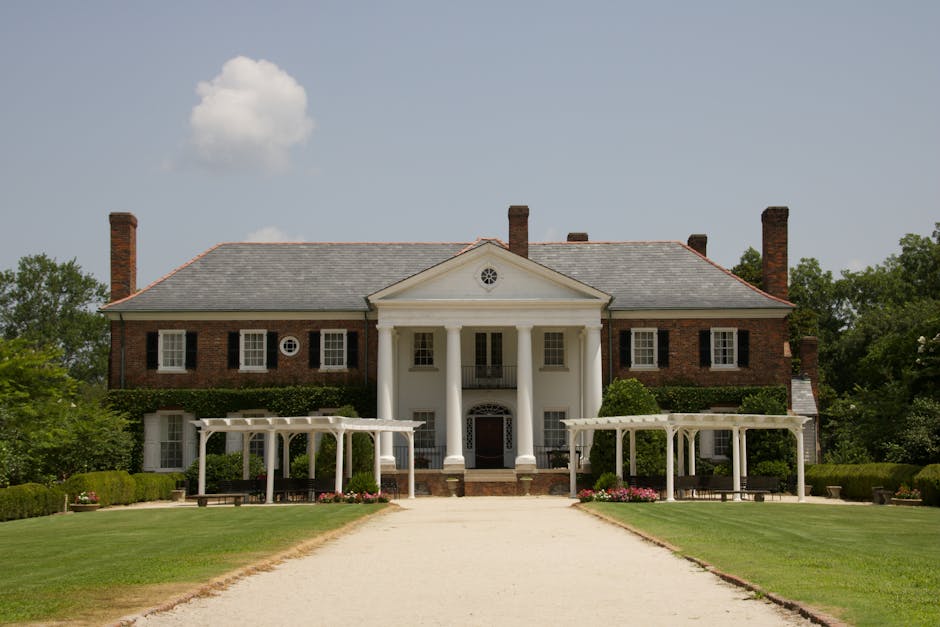
Photo by Michaela Schmidt on Pexels
Initially founded for economic gain, especially tobacco cultivation.
* Cash Crops & Slavery: Relied heavily on large-scale agriculture (tobacco, rice, indigo) which demanded a huge labor force. This led to the rapid growth of chattel slavery and the development of a rigid racial hierarchy.
* Social Hierarchy: Dominated by a wealthy planter elite who owned vast tracts of land and many enslaved people. A large gap existed between this elite and poor white farmers, and enslaved Africans were at the bottom with no rights.
* Sparse Population: Plantations were often spread out, leading to fewer towns and less emphasis on communal institutions like schools or churches compared to New England.
* Gender Imbalance: Initially, more men than women migrated, which created social instability and delayed the formation of stable family units.
Impact of Native Americans

Photo by Sami Aksu on Pexels
All colonial regions interacted with Native American populations, though the nature of these interactions varied.
* Conflict & Displacement: European expansion inevitably led to land disputes, conflicts (like King Philip's War in New England or Powhatan Wars in Virginia), and the forced removal or decimation of Native populations due to warfare and disease.
* Trade & Alliance: Some groups formed alliances or engaged in trade with colonists, particularly in the fur trade, but these relationships were often fraught with tension and exploitation.
* Cultural Exchange: While often overshadowed by conflict, there was some cultural exchange in terms of agricultural practices, hunting techniques, and knowledge of the land.
graph TD
    A["Colonial Regions"] --> B["New England"]
    A --> C["Middle Colonies"]
    A --> D["Southern Colonies"]

    B --> B1["Puritanism & Community"]
    B --> B2["Small Farms, Fishing, Trade"]
    B --> B3["High Literacy, Town Gov't"]
    B --> B4["Limited Slavery"]

    C --> C1["Diverse Immigrants (Quakers, Germans, etc.)"]
    C --> C2["Religious Pluralism"]
    C --> C3["Farming (Grain), Trade"]
    C --> C4["Growing Merchant Class"]

    D --> D1["Cash Crops (Tobacco, Rice)"]
    D --> D2["Extensive Slavery & Racial Hierarchy"]
    D --> D3["Planter Elite Dominance"]
    D --> D4["Rural, Sparse Settlement"]

    B1 --> E["Interaction with Natives: Conflict (King Philip's War)"]
    C1 --> E
    D1 --> E
3. Worked Example
Consider the stark contrast between two real individuals: Anne Hutchinson and an enslaved African on a tobacco plantation in Virginia.
Anne Hutchinson, a Puritan woman in Massachusetts Bay, held religious meetings in her home where she challenged the authority of the male ministers, advocating for direct revelation from God rather than through ministers. Her actions, considered a threat to social and religious order, led to her trial and banishment in 1637. This shows how New England's focus on religious conformity, while allowing its founders freedom from persecution in England, didn't extend to tolerance for internal dissent.
Meanwhile, in Virginia, an enslaved African woman, let's call her "Lena" (a fictional representation of many historical figures), would have spent her days toiling in tobacco fields from sunrise to sunset, with no legal rights, no pay, and under constant threat of violence. Her family could be sold away at any time. Her life demonstrates the brutal reality of the Southern colonies' economic reliance on slave labor and the complete lack of social mobility or basic human dignity for those deemed property.
These two examples highlight the wildly different experiences and societal expectations dictated by regional cultural and social dynamics.
4. Key Takeaways
- Colonial America was not a monolithic entity; distinct regions developed unique cultures and societies.
- Religion was a foundational force, shaping governance, community life, and tolerance levels, especially in New England.
- Economic drivers, particularly cash crops in the South, directly led to the widespread and brutal institution of chattel slavery.
- Slavery created a rigid racial hierarchy in the South that profoundly impacted social structure and wealth distribution.
- Interactions with Native Americans were predominantly characterized by conflict, displacement, and European encroachment.
- The Middle Colonies stood out for their ethnic and religious diversity and greater social mobility.
- Common Mistakes to Avoid:
- Thinking all colonists had the same reasons for coming to America.
- Believing religious freedom in the colonies meant universal religious tolerance.
- Underestimating the pervasive and foundational role of slavery in the Southern economy and society.
- Forgetting that Native Americans were active participants and victims in colonial expansion, not just passive observers.
5. Now Try It
Imagine you are an immigrant arriving in colonial America in 1700. Write a short journal entry (about 150-200 words) describing your new life. Choose one of the three colonial regions (New England, Middle, or Southern) and describe how the predominant cultural and social dynamics of that region impact your daily experiences, work, and community interactions. What feels different from what you expected? What are your hopes or fears?
Frequently asked about Cultural and Social Dynamics in Colonial America
More from advanced placement united states history
Get the full advanced placement united states history curriculum
Clone the complete plan to your dashboard for unlimited AI-generated notes, practice quizzes, and a personalised revision schedule.
Create Free Account