Introduction to Human Reproduction and Sexual Dimorphism
From the Human reproductive system curriculum
TL;DR
You'll learn how humans reproduce and the basic differences between biological males and females. We'll cover the essential parts and functions of each reproductive system, and understand that sexual dimorphism means these differences aren't just about reproduction.
1. The Mental Model
Think of human reproduction as a relay race where two teams (biological male and female) each provide a key component to create a new runner. Sexual dimorphism explains why the runners on each team look and are built a little differently, not just for the race itself, but for overall survival.
2. The Core Material
Human reproduction is the biological process by which new individual humans are produced. It's a complex process involving specialized organs and hormones. At its most basic, it requires a male gamete (sperm) and a female gamete (egg) to combine.
2.1. Basic Reproductive Process
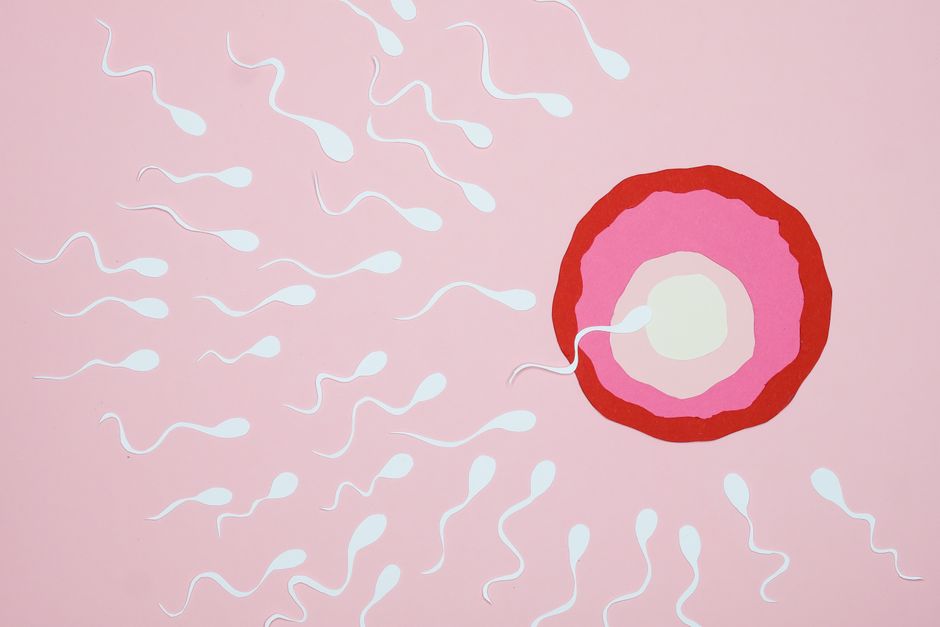
Photo by Nadezhda Moryak on Pexels
The main goal is fertilization: when a sperm cell fuses with an egg cell. This typically happens inside the female's body. If fertilization is successful, the resulting zygote develops into an embryo and then a fetus, eventually leading to birth.
2.2. Sexual Dimorphism
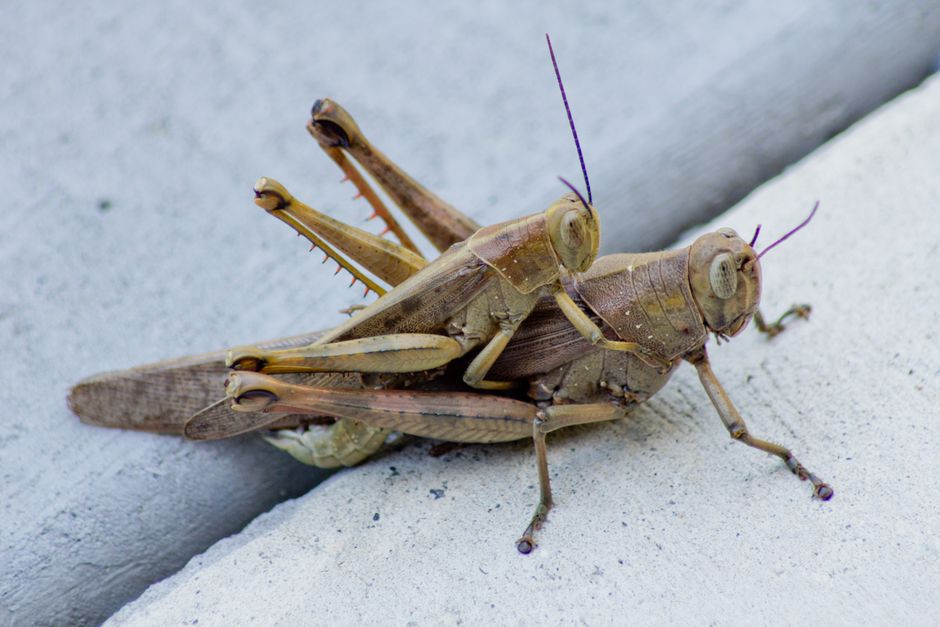
Photo by Anthony's images on Pexels
Sexual dimorphism refers to the distinct differences in size or appearance between the sexes of an animal, beyond the differences in their sexual organs. In humans, these differences include primary sexual characteristics (the reproductive organs themselves) and secondary sexual characteristics (features like body hair patterns, muscle mass, voice pitch, and body fat distribution). These traits often develop during puberty due to hormonal changes.
graph TD
    A["Biological Male"] --> C["Produces Sperm"]
    B["Biological Female"] --> D["Produces Eggs"]
    C --> E["Fertilization (Sperm + Egg)"]
    D --> E
    E --> F["Zygote"]
    F --> G["Embryo Development"]
    G --> H["Fetus Development"]
    H --> I["Birth of Offspring"]

    A --> J["Primary Sexual Characteristics (e.g., testes)"]
    B --> K["Primary Sexual Characteristics (e.g., ovaries)"]
    J --> L["Secondary Sexual Characteristics (e.g., facial hair, deeper voice)"]
    K --> M["Secondary Sexual Characteristics (e.g., breasts, wider hips)"]
    subgraph Sexual Dimorphism
        J
        K
        L
        M
    end
2.3. Male Reproductive System Overview

Photo by cottonbro studio on Pexels
The primary function of the male reproductive system is to produce, maintain, and transport sperm and protective fluid (semen), and to discharge sperm within the female reproductive tract.
- Testes: Produce sperm and male hormones (androgens, primarily testosterone).
- Epididymis: Stores and matures sperm.
- Vas Deferens: Transports sperm from the epididymis to the ejaculatory duct.
- Accessory Glands (Seminal Vesicles, Prostate Gland, Bulbourethral Glands): Produce fluids that nourish and protect sperm, forming semen.
- Penis: Organ for sexual intercourse and delivering sperm.
2.4. Female Reproductive System Overview
Photo by cottonbro studio on Pexels
The primary function of the female reproductive system is to produce eggs (ova), facilitate fertilization, and provide a nurturing environment for fetal development until birth.
- Ovaries: Produce eggs and female hormones (estrogen and progesterone).
- Fallopian Tubes (Oviducts): Transport eggs from the ovaries to the uterus; common site of fertilization.
- Uterus: Where a fertilized egg implants and develops into a fetus.
- Cervix: The lower, narrow part of the uterus that opens into the vagina.
- Vagina: Connects the uterus to the outside of the body; receives sperm during intercourse and serves as the birth canal.
3. Worked Example
Let's trace the journey of reproduction from gamete production to the early stages of a new individual.
- Sperm Production: In a biological male, the testes continuously produce millions of sperm cells. These sperm mature and are stored in the epididymis.
- Egg Production: In a biological female, one egg is typically released from an ovary (ovulation) into a fallopian tube about once a month.
- Intercourse: During sexual intercourse, millions of sperm are ejaculated into the vagina.
- Journey to Fertilization: Sperm swim through the cervix, into the uterus, and up into the fallopian tubes. If an egg is present, one sperm may successfully fertilize it.
- Zygote Formation: The fusion of sperm and egg creates a single cell called a zygote.
- Early Development: The zygote begins to divide rapidly as it travels down the fallopian tube to the uterus.
- Implantation: The developing embryo implants into the wall of the uterus, marking the beginning of pregnancy.
This process highlights the complementary nature of the male and female reproductive systems and their specialized roles.
4. Key Takeaways
- Human reproduction involves the fusion of male sperm and female egg cells to create a new individual.
- The male reproductive system is designed to produce and deliver sperm.
- The female reproductive system is designed to produce eggs, facilitate fertilization, and support fetal development.
- Sexual dimorphism describes the non-reproductive physical differences between biological males and females, influenced by hormones.
- Fertilization typically occurs in the fallopian tubes, leading to a zygote that implants in the uterus.
Common Mistakes to Avoid
- Don't confuse primary sexual characteristics (organs) with secondary sexual characteristics (other physical traits).
- Remember that "sex" refers to biological characteristics, while "gender" is a social and personal identity.
- Don't assume reproduction is solely about intercourse; it's a multi-stage biological process.
- Avoid thinking that all physical differences between males and females are solely for reproduction; many are linked to broader evolutionary pressures.
5. Now Try It
Think about the human body. List three distinct examples of secondary sexual characteristics you observe in biological males and three in biological females that are not directly involved in the act of reproduction itself. For each characteristic, briefly explain how it might contribute to survival or mate attraction, even if indirectly.
What success looks like: You'll have six distinct characteristics listed (three male, three female), each with a plausible, short explanation of its potential evolutionary advantage.
Frequently asked about Introduction to Human Reproduction and Sexual Dimorphism
Study this next
Get the full Human reproductive system curriculum
Clone the complete plan to your dashboard for unlimited AI-generated notes, practice quizzes, and a personalised revision schedule.
Save this course free