Fertile Period and Human Sexual Reproduction
From the Human reproductive system curriculum
TL;DR
Your fertile window is the time each month you can get pregnant, usually about 6 days long, centered around ovulation. Understanding this period is crucial for both conceiving and preventing pregnancy. Sexual intercourse during this window allows sperm to meet an egg, leading to fertilization.
1. The Mental Model
Think of your reproductive system as a finely-tuned biological clock. Each month, an egg is released, and there's a specific, short window when that egg can be fertilized. Timing intercourse around this window is key to the entire process of human reproduction.
2. The Core Material
Human sexual reproduction involves the union of a sperm and an egg. This can only happen during a specific time each menstrual cycle, known as the fertile period or fertile window. This window isn't just about the day an egg is released; it also includes the lifespan of sperm within your body.
Understanding the Menstrual Cycle
Photo by https://kaboompics.com/ on Pexels
Your menstrual cycle is typically 28-32 days long, though it can vary. It starts on the first day of your period. Around the middle of your cycle, an egg is released from an ovary. This event is called ovulation.
Sperm and Egg Lifespan
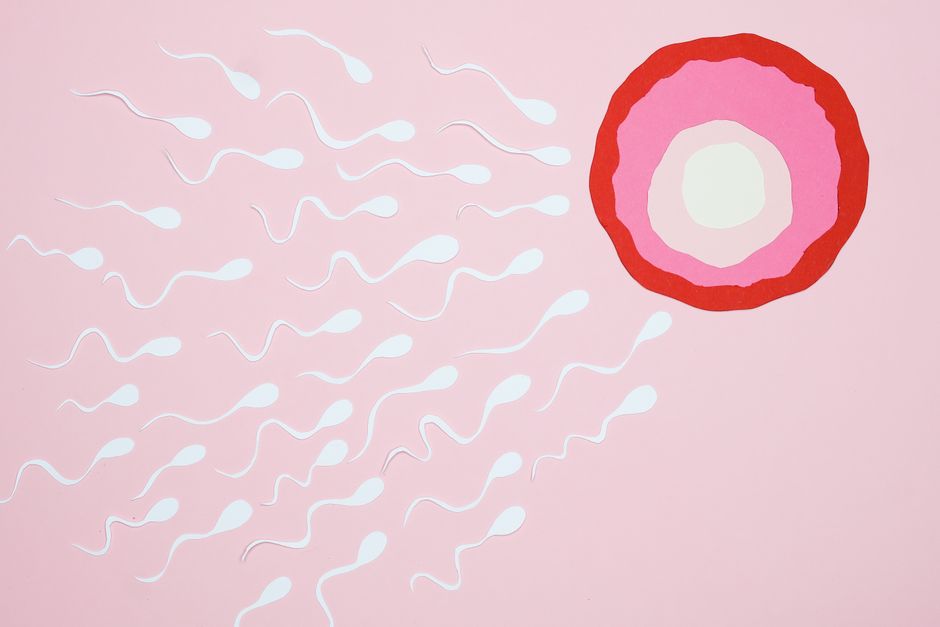
Photo by Nadezhda Moryak on Pexels
Sperm can live inside your reproductive tract for up to 5 days. Once released, an egg is only viable for about 12-24 hours. This difference in lifespan is why the fertile window is longer than just the day of ovulation.
Calculating Your Fertile Window

Photo by https://kaboompics.com/ on Pexels
Your fertile window generally includes the 5 days leading up to ovulation and the day of ovulation itself. Some might extend it to include the day after ovulation due to the egg's 12-24 hour viability.
Let's visualize this:
graph TD
    A["Start of Cycle (Day 1: Period begins)"] --> B["Follicular Phase (Egg develops)"];
    B --> C["Sperm can survive here (up to 5 days)"];
    C --> D["Ovulation (Egg released - Day ~14)"];
    D --> E["Egg viable (12-24 hours)"];
    E --> F["Fertilization possible"];
    F --> G["Luteal Phase (Uterus prepares for pregnancy)"];
    G --> H["End of Cycle (New period or pregnancy)"];

    subgraph Fertile Window
        C --"Intercourse possible"--> D;
        D --"Intercourse possible"--> E;
    end
To pinpoint your fertile window, you can track your cycle using methods like:
* Calendar method: Estimating ovulation based on typical cycle length (e.g., day 14 for a 28-day cycle). This is less reliable.
* Basal Body Temperature (BBT): Your resting body temperature rises slightly after ovulation.
* Cervical mucus monitoring: Changes in cervical mucus (becoming clear, stretchy, and slippery, like raw egg whites) often indicate approaching ovulation.
* Ovulation Predictor Kits (OPKs): These detect a surge in Luteinizing Hormone (LH) which happens 24-36 hours before ovulation.
Sexual Intercourse and Fertilization

Photo by Deon Black on Pexels
When you have unprotected sexual intercourse during your fertile window, sperm travel through your vagina, cervix, and uterus into the fallopian tubes. If an egg is present in the fallopian tube, a single sperm can penetrate and fertilize it. This fertilized egg (now called a zygote) then travels to the uterus, where it attempts to implant in the uterine lining, marking the beginning of a pregnancy.
3. Worked Example
Let's say you have a regular 28-day menstrual cycle. Your last period started on June 1st.
- Estimate Ovulation: For a 28-day cycle, ovulation typically occurs around day 14. So, June 1st + 13 days = June 14th.
- Calculate Sperm Lifespan: Sperm can survive up to 5 days. So, intercourse on June 9th, 10th, 11th, 12th, or 13th could still result in sperm being present on June 14th.
- Egg Viability: The egg is viable for 12-24 hours after release (June 14th and potentially early June 15th).
Therefore, your most fertile window would be approximately June 9th to June 15th. To maximize chances of conception, having intercourse every 1-2 days during this window is often recommended.
4. Key Takeaways
- Your fertile window is the period each month when you're most likely to conceive.
- It includes the 5 days before ovulation and the day of ovulation itself, possibly extending to the day after.
- Sperm can live for up to 5 days in your body, while an egg is viable for only 12-24 hours.
- Ovulation is the release of an egg, typically around the middle of your menstrual cycle.
- Tracking methods like OPKs, BBT, and cervical mucus can help you identify your fertile window.
Common Mistakes to Avoid:
- Assuming ovulation is always on day 14: Cycle length varies, and so does ovulation day.
- Only having sex on the estimated day of ovulation: Sperm need to be waiting for the egg, so earlier intercourse is important.
- Relying solely on calendar tracking: This is the least accurate method for predicting ovulation.
- Not understanding sperm lifespan: Forgetting that sperm survive for days can lead to missed opportunities or unexpected pregnancies.
5. Now Try It
Imagine your last menstrual period started on October 5th. Your typical cycle length is 30 days.
- Task: Estimate your fertile window (the earliest day intercourse could lead to pregnancy, and the latest day the egg would be viable).
- Success: You've identified a range of specific dates for your fertile window, accounting for both sperm and egg viability based on the given cycle information.
Frequently asked about Fertile Period and Human Sexual Reproduction
More from Human reproductive system
Get the full Human reproductive system curriculum
Clone the complete plan to your dashboard for unlimited AI-generated notes, practice quizzes, and a personalised revision schedule.
Save this course free