Sexual Reproduction in Human Beings: Male Reproductive System
From the how do organisms reproduce, 10th cbse curriculum
TL;DR
The male reproductive system produces sperm and delivers it to the female reproductive tract for fertilization. It's a network of organs designed to create, store, and transport male gametes. Key components include testes for sperm production, ducts for transport, and glands for fluid contribution.
1. The Mental Model
Think of the male reproductive system as a tiny, specialized factory. Its main job is to continuously produce "worker cells" (sperm) and then package and deliver them efficiently to their destination to do their job.
2. The Core Material
The male reproductive system is a complex set of organs primarily responsible for producing and delivering sperm. It's located mostly outside the body, which is important for maintaining the correct temperature for sperm development.
Components of the Male Reproductive System

Photo by cottonbro studio on Pexels
Let's break down the main parts:
-
Testes (singular: testis): These are the primary reproductive organs, oval-shaped and located outside the abdominal cavity within a pouch called the scrotum.
- Function: They produce sperm (the male gametes) and also male sex hormones, mainly testosterone.
- Why outside the body? Sperm production requires a temperature slightly lower (about 2-3°C cooler) than the normal body temperature. The scrotum acts as a thermoregulator.
- Inside each testis are tiny coiled tubes called seminiferous tubules where sperm are actually made.
-
Scrotum: This is the muscular sac that holds the testes. Its muscles can contract or relax to move the testes closer to or further away from the body, helping to regulate their temperature.
-
Epididymis: A long, coiled tube located on the posterior (back) side of each testis.
- Function: Sperm produced in the testes mature here and are stored until ejaculation. This is where they gain their ability to swim.
-
Vas Deferens (plural: vasa deferentia): A muscular tube that carries mature sperm from the epididymis up into the pelvic cavity.
- Function: Transports sperm towards the ejaculatory duct.
-
Accessory Glands: These glands produce fluids that mix with sperm to form semen. These fluids provide nourishment, protection, and a medium for sperm transport.
- Seminal Vesicles: Two glands that secrete a fluid rich in fructose (energy for sperm) and prostaglandins. This fluid makes up about 60% of semen volume.
- Prostate Gland: A single gland located below the bladder. It secretes a milky, slightly acidic fluid that enhances sperm motility (ability to move) and viability.
- Bulbourethral Glands (Cowper's glands): Two small glands located below the prostate. They secrete a clear, lubricating fluid that cleanses the urethra before ejaculation, removing traces of urine that might be harmful to sperm.
-
Urethra: A tube that extends from the bladder through the penis.
- Function: It serves as a common passageway for both urine and semen (though not at the same time).
-
Penis: The external male reproductive organ.
- Function: It's designed to deliver sperm into the female reproductive tract during sexual intercourse. It contains erectile tissue that fills with blood, causing an erection.
Here's a diagram to visualize the path sperm takes:
graph TD
    A["Testis (Sperm production)"] --> B["Epididymis (Sperm maturation & storage)"]
    B --> C["Vas Deferens (Sperm transport)"]
    C --> D["Ejaculatory Duct (formed by vas deferens & seminal vesicle duct)"]
    D --> E["Urethra (Passage for semen & urine)"]
    E --> F["Penis (Delivery of semen)"]
    subgraph Accessory Glands
        G["Seminal Vesicle (adds fructose & fluid)"]
        H["Prostate Gland (adds fluid for motility)"]
        I["Bulbourethral Gland (adds lubricating fluid)"]
    end
    G --> D
    H --> E
    I --> E
Process of Spermatogenesis
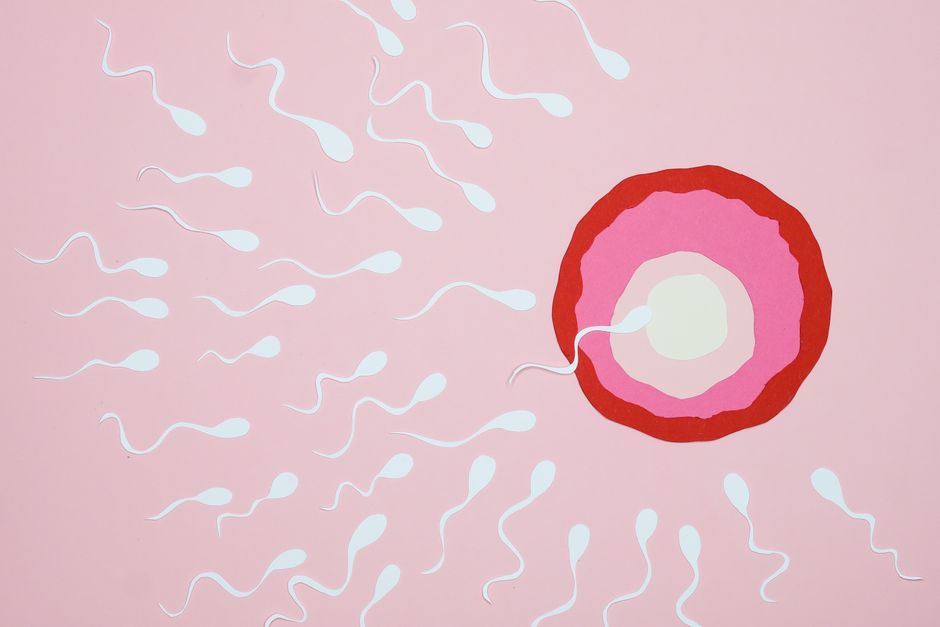
Photo by Nadezhda Moryak on Pexels
Spermatogenesis is the process of sperm formation, which occurs continuously in the seminiferous tubules of the testes from puberty onwards. It's a complex process involving cell division and maturation, resulting in highly specialized, motile sperm cells.
Role of Hormones
Photo by https://kaboompics.com/ on Pexels
Testosterone, produced by the testes, is the primary male sex hormone. It's crucial for:
* Development of male primary sexual characteristics (male reproductive organs).
* Development of male secondary sexual characteristics (e.g., facial hair, deepening voice, increased muscle mass).
* Sperm production (spermatogenesis).
3. Worked Example
Imagine a single sperm cell being produced and making its journey.
- Birth in the Testis: A primordial germ cell in the seminiferous tubules of the testis undergoes meiosis to become a sperm cell. This process is called spermatogenesis.
- Schooling in the Epididymis: This newly formed, immature sperm moves into the epididymis. Here, it spends about 2-10 days, maturing and gaining its ability to swim properly. It's also stored here, ready for action.
- The Great Escape: When ejaculation occurs, muscular contractions propel the sperm from the epididymis through the vas deferens.
- Picking up Passengers: As it travels, it passes ducts from the seminal vesicles and the prostate gland. These glands add their fluids, rich in nutrients and substances that help the sperm survive and move. This mixture is now called semen.
- Final Leg: The semen then enters the urethra and is expelled from the body through the penis.
4. Key Takeaways
- The testes are the primary male reproductive organs, producing both sperm and testosterone.
- The scrotum regulates the temperature of the testes, which is vital for healthy sperm production.
- Sperm mature and are stored in the epididymis before ejaculation.
- Accessory glands (seminal vesicles, prostate, bulbourethral) contribute fluids to form semen, providing nourishment and protection for sperm.
- The urethra is a shared pathway for both urine and semen in males.
- Testosterone is the main male sex hormone, essential for sperm production and male characteristics.
Common Mistakes to Avoid:
* Confusing the function of the vas deferens (transport) with the epididymis (maturation and storage).
* Forgetting that the accessory glands contribute crucial fluids to semen, not just the sperm from the testes.
* Incorrectly stating that the urethra only carries urine; it carries both urine and semen.
* Underestimating the importance of the scrotum in temperature regulation for sperm viability.
5. Now Try It
Take a blank sheet of paper and try to draw and label the entire male reproductive system from memory. Then, trace the complete path of a sperm cell from its origin in the testes until it leaves the body, listing each organ and gland it passes through, and briefly stating what happens at each stage.
Success looks like you being able to accurately draw and label all the main organs and explain the function of each part in the sperm's journey.
Frequently asked about Sexual Reproduction in Human Beings: Male Reproductive System
Study this next
Get the full how do organisms reproduce, 10th cbse curriculum
Clone the complete plan to your dashboard for unlimited AI-generated notes, practice quizzes, and a personalised revision schedule.
Save this course free