Sexual Reproduction in Flowering Plants
From the how do organisms reproduce, 10th cbse curriculum
TL;DR
Flowering plants reproduce sexually through a process involving male and female gametes combining. This happens in specialized structures called flowers, leading to seed formation and the potential for new plants. Pollination and fertilization are key steps that make this possible.
1. The Mental Model
Think of a flower as a plant's reproductive organ, designed to bring together male and female parts. It's like a finely tuned machine where pollen (carrying male cells) meets the ovule (carrying female cells) to create a seed.
2. The Core Material
Sexual reproduction in flowering plants, also called angiosperms, relies on the flower's structure to facilitate the fusion of gametes. Let's break down the key parts and processes.
Flower Structure: The Reproductive Organs

Photo by Sonny Sixteen on Pexels
A typical flower has several parts, but for reproduction, these are most important:
- Sepals: Usually green, leaf-like structures that protect the bud before it opens.
- Petals: Often brightly colored and scented to attract pollinators.
- Stamen (Male Part):
- Anther: Contains pollen grains, which house the male gametes.
- Filament: A stalk that supports the anther.
- Pistil/Carpel (Female Part):
- Stigma: The sticky, receptive tip that catches pollen.
- Style: A stalk connecting the stigma to the ovary.
- Ovary: Contains one or more ovules. Each ovule contains an egg cell (female gamete).
Pollination: Getting Pollen Where It Needs to Be

Photo by Alexas Fotos on Pexels
Pollination is the transfer of pollen grains from the anther to the stigma.
- Self-pollination: Pollen from the anther of a flower lands on the stigma of the same flower or another flower on the same plant.
- Cross-pollination: Pollen from the anther of one flower lands on the stigma of a flower on a different plant of the same species. This promotes genetic diversity.
Pollinators like insects (bees, butterflies), birds, wind, and water often help with cross-pollination.
Fertilization: The Fusion of Gametes
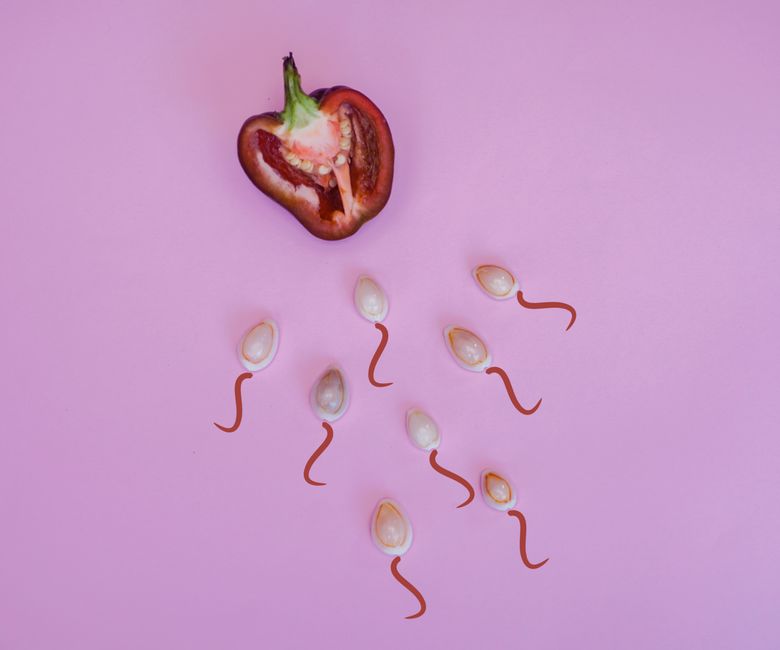
Photo by DRT.fm . on Pexels
Once pollen lands on a compatible stigma, a series of events leads to fertilization:
- Pollen Germination: The pollen grain absorbs moisture and nutrients from the stigma and germinates, forming a pollen tube.
- Pollen Tube Growth: The pollen tube grows down through the style, carrying two male gametes (sperm nuclei) towards the ovule in the ovary.
- Entry into Ovule: The pollen tube enters the ovule, usually through a small opening called the micropyle.
- Double Fertilization: This is unique to flowering plants!
- One male gamete fuses with the egg cell to form a zygote (which develops into an embryo).
- The other male gamete fuses with two polar nuclei to form the endosperm (which provides nourishment for the developing embryo).
Post-Fertilization Changes
Photo by DRT.fm . on Pexels
After fertilization, the flower undergoes significant changes:
- Ovary develops into the fruit.
- Ovules develop into seeds.
- Other parts of the flower (sepals, petals, stamens, style, stigma) usually wither and fall off.
Each seed contains an embryo (tiny plant) and food storage (from the endosperm or cotyledons), all protected by a seed coat.
graph TD
    A["Pollen (from Anther)"] --> B{"Pollination"}
    B --> C{"Stigma (receptive)"}
    C --> D["Pollen Grain Germinates"]
    D --> E["Pollen Tube Grows Down Style"]
    E --> F["Pollen Tube Reaches Ovule"]
    F --> G["One Male Gamete + Egg Cell"]
    G --> H["Zygote (Embryo)"]
    F --> I["Other Male Gamete + Polar Nuclei"]
    I --> J["Endosperm (Food Storage)"]
    H & J --> K["Ovule becomes Seed"]
    K --> L["Ovary becomes Fruit"]
    L --> M["Seed Dispersal"]
    M --> N["Germination (New Plant)"]
3. Worked Example
Let's trace the journey for a pea plant:
- A bee visits a pea flower, picking up pollen from its anthers.
- The bee then flies to another pea flower (or the same one) and deposits some pollen onto its sticky stigma. This is cross-pollination.
- The pollen grain on the stigma germinates, forming a pollen tube that grows through the style towards an ovule inside the ovary.
- Once the pollen tube reaches an ovule, it releases two male gametes.
- One male gamete fuses with the egg cell inside the ovule, forming a zygote.
- The second male gamete fuses with the two polar nuclei, forming the endosperm.
- After this double fertilization, the ovule develops into a pea seed, containing the embryo and endosperm.
- The entire ovary then swells and ripens into a pea pod (the fruit), containing multiple pea seeds.
4. Key Takeaways
- Flowers contain male parts (stamen with anther and filament) and female parts (pistil/carpel with stigma, style, and ovary).
- Pollination is the transfer of pollen from the anther to the stigma, which can be self- or cross-pollination.
- Pollen grains germinate on the stigma, forming a pollen tube that carries male gametes to the ovule.
- Fertilization is the fusion of male and female gametes to form a zygote and endosperm (double fertilization).
- After fertilization, the ovule develops into a seed, and the ovary develops into a fruit.
- Seeds contain an embryo and food storage, ready to grow into a new plant under favorable conditions.
Common mistakes to avoid:
- Confusing pollination (transfer of pollen) with fertilization (fusion of gametes).
- Mixing up the parts: remember the anther produces pollen, and the stigma receives it.
- Forgetting about double fertilization and the role of the endosperm.
- Thinking fruit is just the edible part; botanically, it's a mature ovary containing seeds.
5. Now Try It
Imagine you have a sunflower. Draw and label its main reproductive parts (stamen, pistil, anther, filament, stigma, style, ovary, ovule). Then, in your own words, describe the path a pollen grain would take from being released by the anther until it completes fertilization within the ovule. What would the sunflower turn into after successful fertilization? What would the individual ovules become?
Frequently asked about Sexual Reproduction in Flowering Plants
Study this next
Get the full how do organisms reproduce, 10th cbse curriculum
Clone the complete plan to your dashboard for unlimited AI-generated notes, practice quizzes, and a personalised revision schedule.
Save this course free