Driving Procedures and Maneuvers
From the driver's knowledge test alberta curriculum
Driving Procedures and Maneuvers
TL;DR
Mastering driving procedures and maneuvers means knowing how to start, stop, turn, and change lanes safely and legally. It's all about being predictable to other drivers and following the rules of the road. Your goal is smooth, controlled movements that prevent accidents.
1. The Mental Model
Think of yourself as a conductor of an orchestra, where every instrument (your car) needs to move in harmony with the score (traffic rules). You're constantly anticipating, planning, and executing precise movements.
2. The Core Material
Driving safely isn't just about knowing the rules; it's about executing common procedures and maneuvers smoothly and predictably. This helps other drivers understand your intentions and keeps everyone safe.
a. Starting Your Vehicle
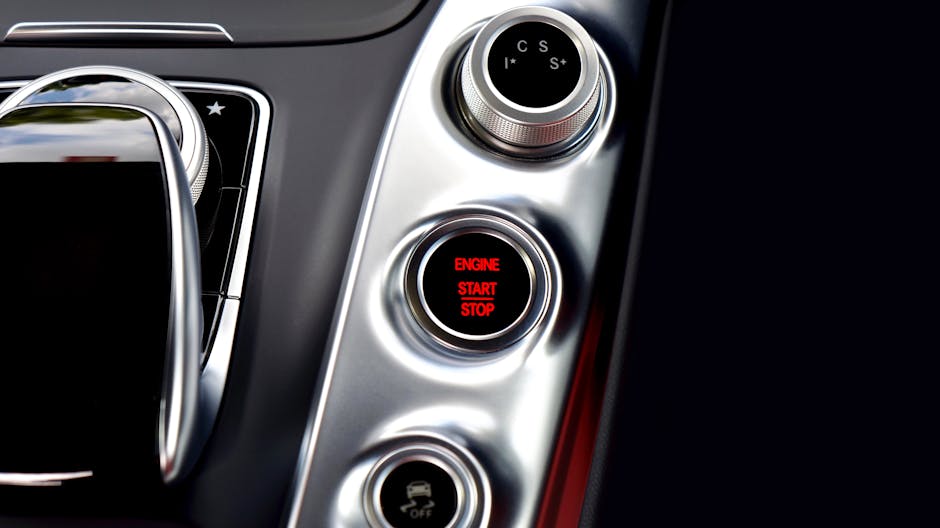
Photo by Mike Bird on Pexels
Before you even move, you need to set yourself up correctly.
- Adjustments: Adjust your seat so you can comfortably reach the pedals and steering wheel, and have a clear view. Adjust all mirrors (rearview, left side, right side) to eliminate blind spots as much as possible.
- Seatbelt: Always fasten your seatbelt and ensure all passengers are belted too.
- Check Surroundings: Look around your vehicle for any obstacles, children, or pets.
- Starting the Engine: Put your foot on the brake, put the car in 'Park' (P) or 'Neutral' (N), and start the engine.
- Selecting Gear: Put the transmission into 'Drive' (D) for forward motion or 'Reverse' (R) for backing up.
- Signalling: Indicate your intention to move by using your turn signal.
- Checking Traffic: Look over your shoulder (blind spot check) and in your mirrors to ensure it's safe to move.
- Smooth Acceleration: Release the parking brake, then gently press the accelerator while slowly releasing the foot brake.
b. Steering

Photo by Chris F on Pexels
Steering is fundamental. Always use two hands on the wheel, typically at the "9 and 3" or "10 and 2" o'clock positions.
- Push/Pull Steering: For smooth turns, especially at higher speeds, use the push/pull method. One hand pushes the wheel up, and the other pulls it down, never crossing your arms.
- Hand-Over-Hand Steering: For sharper turns or when backing up, you might use hand-over-hand, but try to avoid it for regular driving as it can be less controlled.
c. Braking
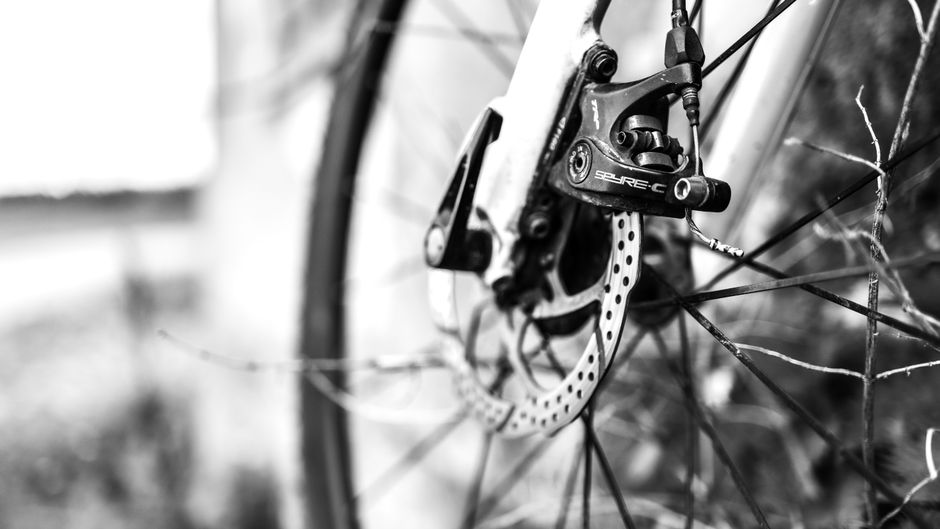
Photo by Marek Piwnicki on Pexels
Braking should be smooth and controlled, not sudden.
- Progressive Braking: Apply gentle pressure first, then increase pressure as needed to slow down or stop.
- Emergency Braking: In a panic, apply firm, continuous pressure to the brake pedal. Most modern cars have Anti-lock Braking Systems (ABS) which prevent skidding. If your car has ABS, press and hold firmly; don't pump the brakes.
d. Signalling
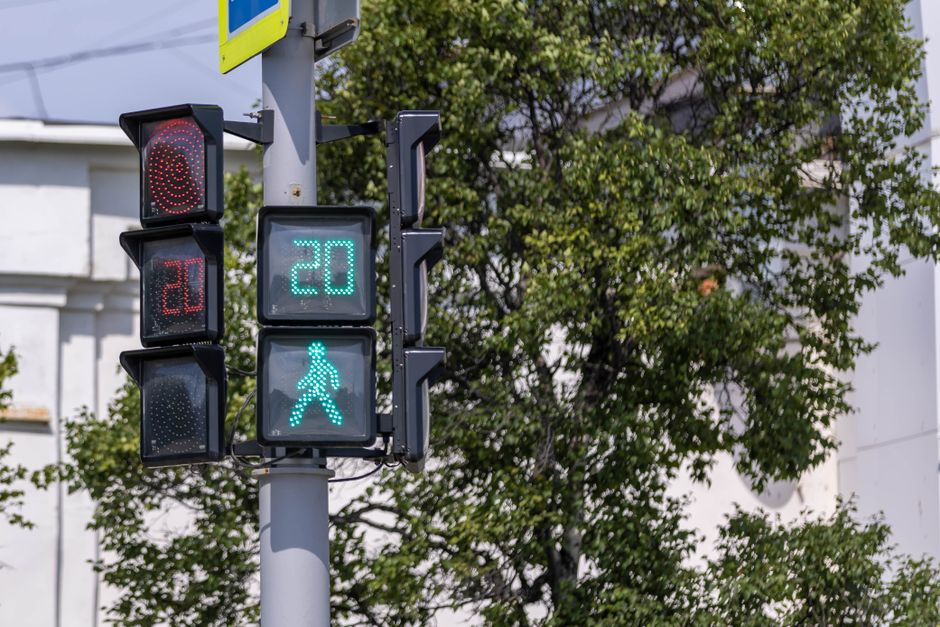
Photo by Sergei Starostin on Pexels
Your turn signals are your communication with other drivers.
- Always signal before turning, changing lanes, or pulling over.
- Signal early enough to give others time to react, usually about 30 meters (one city block) before your turn.
e. Lane Changes
Changing lanes requires a sequence of actions:
- Signal: Turn on your signal in the direction you want to move.
- Mirror Check: Check your rearview and side mirrors.
- Blind Spot Check: Briefly look over your shoulder into your blind spot.
- Smooth Movement: If clear, gently steer into the new lane while maintaining speed.
- Cancel Signal: Turn off your signal once you're fully in the new lane.
f. Turning
Turns are critical for navigation.
- Right Turns:
- Signal right.
- Move to the right-most lane (if multi-lane) or as close to the right curb as safely possible.
- Slow down.
- Check for pedestrians and cyclists.
- Turn into the right-most lane available in the new street.
- Left Turns:
- Signal left.
- Move to the left-most lane (if multi-lane) or as close to the center line as safely possible.
- Slow down.
- Yield to oncoming traffic and pedestrians.
- Turn into the left-most lane available in the new street.
Here's a flowchart for a lane change:
graph TD
    A["Ready to Change Lane?"] --> B{Check Mirrors};
    B -- Clear? --> C{Signal (Direction of Change)};
    C --> D{Check Blind Spot (Over Shoulder)};
    D -- Clear? --> E["Smoothly Steer into New Lane"];
    E --> F["Maintain Speed"];
    F --> G["Cancel Signal"];
    D -- Not Clear? --> H["Maintain Current Lane"];
    B -- Not Clear? --> H;
g. Backing Up
When backing up, you have very limited visibility.
- Check all mirrors and look over both shoulders.
- Place your right arm over the back of the passenger seat and look directly out the rear window.
- Back up slowly, covering the brake.
- If backing in a straight line, steer gently. If turning while backing, turn the steering wheel in the direction you want the rear of the car to go.
h. Parking
There are different types of parking:
- Parallel Parking: Requires practice. Find a spot about 1.5 car lengths longer than your car. Signal, pull up beside the car in front, align bumpers, back up at an angle, straighten out, and adjust.
- Perpendicular Parking: Drive slowly into a spot, ensuring you clear adjacent vehicles.
- Angle Parking: Similar to perpendicular, but at an angle.
i. Using Roundabouts
Roundabouts are designed to improve traffic flow.
- Approaching: Slow down and yield to traffic already in the roundabout.
- Entering:
- Right turn (first exit): Signal right, stay in the right-hand lane.
- Straight through: No signal on entry, use either lane (check local rules, some may require left lane for straight).
- Left turn (later exit): Signal left, stay in the left-hand lane.
- Exiting: Signal right just before your exit.
3. Worked Example
Let's imagine you're driving on a two-lane city street, and you need to turn right at the next intersection.
- Preparation: You're in the left lane, but the next turn is a right turn. You immediately signal your intention to move right.
- Mirror and Blind Spot Check: You check your right side mirror and glance over your right shoulder. You see a car in the right lane but it's far enough back that you can safely move.
- Lane Change: You smoothly steer into the right lane.
- Signal Cancel: Once fully in the right lane, you cancel your right turn signal.
- Approach Turn: As you get closer to the intersection, you activate your right turn signal again.
- Slow Down: You gently apply the brakes, slowing your speed. You ensure you're as close to the right curb as safely possible.
- Check for Hazards: You quickly scan the intersection for pedestrians, cyclists, or oncoming traffic making a left turn. Everything looks clear.
- Execute Turn: You begin to turn the steering wheel to the right, aiming for the right-most lane of the new street.
- Accelerate and Straighten: As you complete the turn, you smoothly accelerate and straighten the steering wheel.
- Cancel Signal: You turn off your right turn signal.
4. Key Takeaways
- Always adjust your seat and mirrors before starting your vehicle.
- Use your turn signals early and consistently to communicate with other drivers.
- Always check your mirrors and blind spots before changing lanes or turning.
- Use smooth and controlled movements for steering, accelerating, and braking.
- Yield to pedestrians and cyclists, especially when turning or backing up.
- Maintain a safe following distance to give yourself time to react.
- Practice parking maneuvers until you can execute them confidently.
Common Mistakes to Avoid:
- Forgetting to signal, or signaling too late.
- Not checking blind spots before changing lanes, leading to collisions.
- Braking abruptly, which can cause rear-end collisions.
- Turning the steering wheel too sharply or not enough.
- Not yielding to traffic when required, especially in roundabouts or left turns.
5. Now Try It
Find a quiet, empty parking lot. For 15 minutes, practice the following sequence:
1. Start your car, adjust everything, and drive forward a short distance.
2. Practice a smooth, controlled stop.
3. Practice backing up in a straight line for about 10-15 meters, looking over your shoulder.
4. Practice a three-point turn (if space allows), focusing on observation and control.
5. Practice parallel parking next to a parked car or a designated cone, focusing on smooth steering and checking all around your vehicle.
What success looks like: You can perform these maneuvers smoothly, without jerky movements, and confidently check your surroundings at each step.
Frequently asked about Driving Procedures and Maneuvers
More from driver's knowledge test alberta
Get the full driver's knowledge test alberta curriculum
Clone the complete plan to your dashboard for unlimited AI-generated notes, practice quizzes, and a personalised revision schedule.
Create Free Account