Driver Responsibilities and Vehicle Features
From the driver's knowledge test alberta curriculum
Driver Responsibilities and Vehicle Features
TL;DR
Being a responsible driver means knowing the rules, keeping your car in good shape, and always being aware of your surroundings. Your vehicle has many safety features designed to protect you, but they only work if you understand and use them properly. Driving is a privilege that comes with serious duties to yourself and others.
1. The Mental Model
Think of driving as a partnership: you, the driver, are the brains, and your vehicle is the body. You both need to be in good condition and work together smoothly to get where you're going safely.
2. The Core Material
As a driver in Alberta, you have a lot of responsibilities. It's not just about knowing how to steer; it's about making smart decisions, following laws, and making sure your vehicle is safe to be on the road.
Legal and Ethical Responsibilities

Photo by KATRIN BOLOVTSOVA on Pexels
First, you're responsible for knowing and following all traffic laws. This includes speed limits, traffic signals, right-of-way rules, and parking regulations. Ignorance of the law isn't an excuse. Beyond the legal stuff, you have an ethical duty to drive safely and considerately. This means:
- No impaired driving: Never drive under the influence of alcohol, drugs, or even some medications that make you drowsy.
- No distracted driving: Put away your phone. Don't eat, groom, or do anything else that takes your attention off the road.
- Being courteous: Share the road. Don't tailgate, cut people off, or drive aggressively.
- Protecting others: Your actions impact everyone around you. Drive defensively to avoid crashes, even if someone else makes a mistake.
Vehicle Maintenance and Safety Checks

Photo by Gustavo Fring on Pexels
Your vehicle needs to be in safe operating condition. Regular maintenance isn't just a good idea; it's a legal requirement. Before you even start a trip, you should do quick checks:
- Tires: Check for proper inflation, tread depth, and damage. Under-inflated tires can blow out and reduce fuel efficiency.
- Lights: Make sure all headlights (high and low beam), tail lights, brake lights, and turn signals work. You need to be seen!
- Wipers and fluid: Good visibility is crucial. Ensure your wipers clear the windshield effectively and your washer fluid reservoir is full.
- Brakes: Your brakes should feel firm, not spongy, and shouldn't pull your car to one side.
- Mirrors: Adjust all mirrors (rearview and side) so you have the best possible view around your vehicle before you start moving.
Vehicle Safety Features
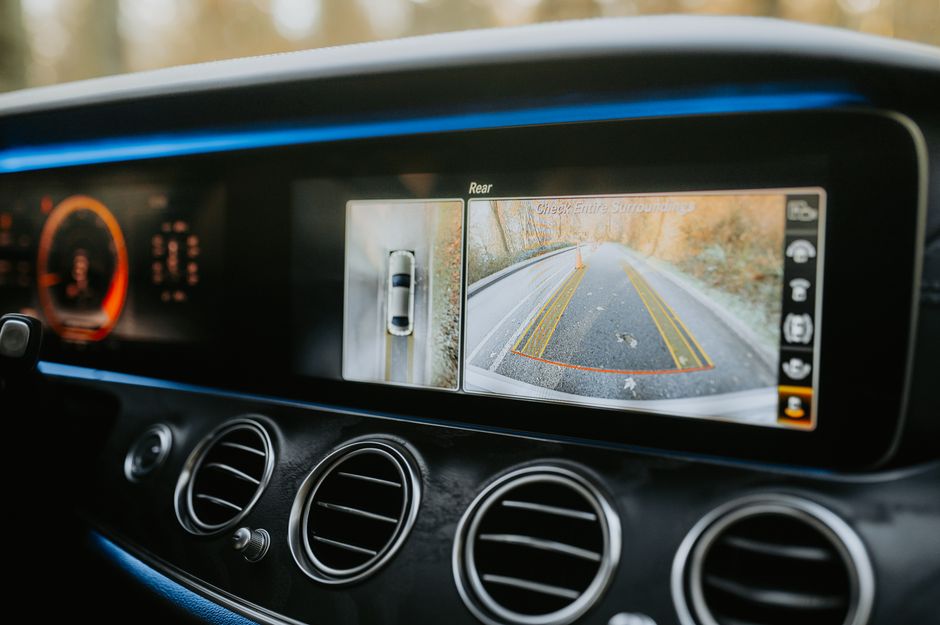
Photo by Luke Miller on Pexels
Modern cars have many features designed to keep you safe. Understanding them helps you use them effectively.
graph TD
    A["Driver Awareness"] --> B{"Vehicle Safety Features"}
    B --> C["Passive Safety Features"]
    C --> C1["Seatbelts (lap and shoulder)"]
    C --> C2["Airbags (frontal, side, curtain)"]
    C --> C3["Crumple Zones & Reinforced Frame"]
    C --> C4["Headrests"]
    B --> D["Active Safety Features"]
    D --> D1["Anti-lock Braking System (ABS)"]
    D --> D2["Electronic Stability Control (ESC)"]
    D --> D3["Traction Control System (TCS)"]
    D --> D4["Forward Collision Warning"]
    D --> D5["Lane Departure Warning"]
    D --> D6["Backup Cameras/Sensors"]
    D --> D7["Automatic Emergency Braking (AEB)"]
    E["Proper Use & Maintenance"] --> A
    E --> C
    E --> D
Passive Safety Features are designed to protect you during a crash, minimizing injury. You don't usually "activate" them; they just work if needed.
- Seatbelts: These are your most important safety device. Always wear them correctly – snug across your hips and chest. They prevent you from being thrown around or out of the vehicle.
- Airbags: They inflate rapidly on impact to cushion you, preventing your head and upper body from hitting hard surfaces. They work best with seatbelts.
- Crumple Zones: Parts of your car's frame are designed to collapse in a controlled way during a crash, absorbing energy and keeping the passenger compartment safer.
- Headrests: Properly adjusted, they prevent whiplash injuries by supporting your head in a rear-end collision.
Active Safety Features help prevent a crash from happening in the first place, or help you maintain control before an impact.
- Anti-lock Braking System (ABS): Prevents your wheels from locking up during hard braking, allowing you to steer while braking. You'll feel a pulsing in the brake pedal; don't lift your foot!
- Electronic Stability Control (ESC) / Traction Control System (TCS): These systems help prevent skids by applying brakes to individual wheels and/or reducing engine power when they detect a loss of traction. They help you maintain control on slippery roads or during sudden maneuvers.
- Visibility Aids:
- Mirrors: Properly adjusted mirrors minimize blind spots.
- Backup Cameras/Sensors: Help you see obstacles behind your vehicle when reversing.
- Advanced Driver-Assistance Systems (ADAS): Many new cars have these:
- Forward Collision Warning/Automatic Emergency Braking (FCW/AEB): Warns you of potential front-end collisions and can even brake for you.
- Lane Departure Warning/Lane Keep Assist (LDW/LKA): Warns you if you drift out of your lane and can sometimes steer you back.
Remember, these features are aids, not replacements for attentive driving. You're still the primary safety system.
3. Worked Example
Imagine you're driving on a busy city street.
- Before you leave: You check your tires – they look good. You turn on your lights – all working. You adjust your side mirrors so you can see the lane beside you and a bit of your car. You buckle your seatbelt snugly.
- While driving: A child suddenly chases a ball into the street ahead. You react quickly, slamming on the brakes. Your ABS activates, you feel the pedal pulse, but you're still able to steer around the child safely, avoiding an accident.
- Later, on the highway: You briefly glance at your passenger. As you look back, you notice you've drifted slightly. Your Lane Departure Warning beeps, gently reminding you to re-center your vehicle, preventing you from veering into another lane.
- Arriving home: As you back into your driveway, your backup camera shows a small bicycle you hadn't seen, and your parking sensors beep loudly, allowing you to stop before hitting it.
In all these scenarios, your awareness and quick actions were key, but your vehicle's features acted as crucial backups or assists to prevent potential harm.
4. Key Takeaways
- You are legally and ethically responsible for knowing and obeying all traffic laws.
- Regular vehicle checks (tires, lights, brakes, wipers) are crucial for safe operation.
- Always wear your seatbelt correctly; it's your most important safety device.
- Passive safety features (like airbags and crumple zones) protect you during a crash.
- Active safety features (like ABS, ESC, and ADAS) help prevent crashes or maintain control.
- Vehicle safety features are aids; they don't replace your need for full attention and safe driving practices.
Common mistakes to avoid:
- Thinking that advanced safety features mean you can be less attentive.
- Not wearing your seatbelt because you think airbags will protect you enough.
- Ignoring warning lights or strange noises from your vehicle.
- Forgetting to adjust mirrors or check blind spots.
5. Now Try It
Spend 15 minutes checking your own (or a family member's) vehicle. Locate the controls for the headlights, turn signals, and windshield wipers. Check that all exterior lights are working. Sit in the driver's seat and adjust the mirrors. Imagine you're about to drive; what quick checks would you perform? What does success look like? You should be able to confidently identify working lights, properly adjusted mirrors, and a basic understanding of your vehicle's immediate readiness.
Frequently asked about Driver Responsibilities and Vehicle Features
More from driver's knowledge test alberta
Get the full driver's knowledge test alberta curriculum
Clone the complete plan to your dashboard for unlimited AI-generated notes, practice quizzes, and a personalised revision schedule.
Create Free Account