Traffic Control and Rules of the Road Basics
From the driver's knowledge test alberta curriculum
Traffic Control and Rules of the Road Basics
TL;DR
Understanding traffic signs, signals, and road markings is crucial for safe driving. Always follow the rules of the road, including right-of-way and speed limits, to prevent accidents. Your knowledge of these basics will help you pass your driver's test and drive responsibly.
1. The Mental Model
Think of traffic controls and road rules as the language of the road. By understanding this language, you can anticipate what other drivers will do and communicate your intentions clearly, keeping everyone safe.
2. The Core Material
Traffic control devices and rules of the road are designed to organize traffic flow, prevent collisions, and keep everyone safe. You'll encounter three main types of traffic control: signs, signals, and markings.
Understanding Traffic Signs
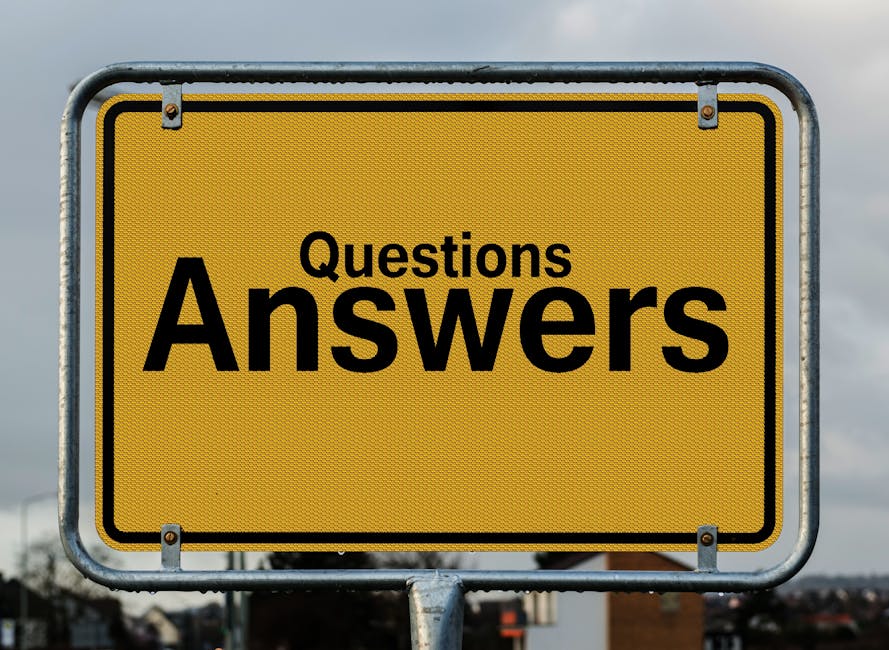
Photo by Pixabay on Pexels
Traffic signs come in different shapes and colors, each with a specific meaning. Knowing these helps you quickly grasp important information.
- Regulatory Signs (White, Red, Black): These tell you what you must or must not do. Examples include STOP signs, YIELD signs, and speed limit signs.
- Warning Signs (Yellow): These alert you to potential hazards or upcoming changes in the road. Examples are curve ahead, pedestrian crossing, or slippery when wet.
- Guide Signs (Green, Blue, Brown): These provide information about directions, services, and points of interest. Think highway exits, hospitals, or parks.
Interpreting Traffic Signals

Photo by Oscar Portan on Pexels
Traffic lights dictate when you can proceed and when you must stop.
- Solid Green Light: You can go straight, turn left, or turn right, provided the intersection is clear and there's no sign prohibiting the turn.
- Solid Yellow Light: The light is about to turn red. You should stop if you can do so safely; otherwise, proceed with caution.
- Solid Red Light: You must stop before the stop line or crosswalk. You can generally turn right on red after a full stop and checking for clear traffic, unless a sign prohibits it.
- Flashing Yellow Light: Slow down and proceed with caution. Be ready to stop if necessary.
- Flashing Red Light: Treat it like a stop sign. Come to a complete stop, then proceed only when it's safe.
- Arrows: Green arrows mean you have a protected turn in that direction; yellow arrows mean the protected turn is ending.
Deciphering Road Markings
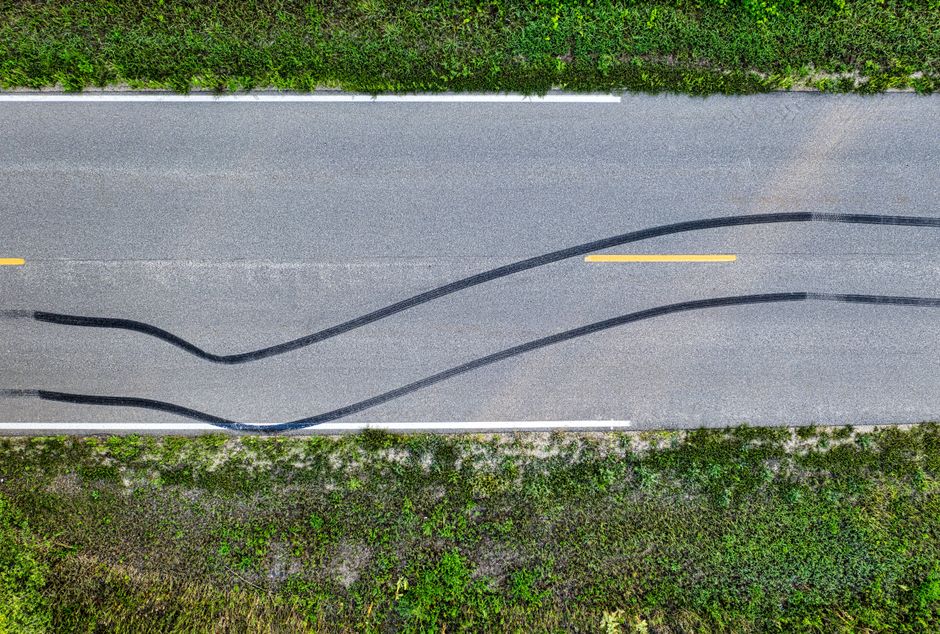
Photo by Tom Fisk on Pexels
Lines and symbols painted on the road have specific meanings that guide your driving.
- Solid White Line: Marks the edge of the road or separates lanes moving in the same direction. Don't cross a solid white line.
- Broken White Line: Separates lanes moving in the same direction. You can change lanes if it's safe to do so.
- Solid Yellow Line: Separates traffic moving in opposite directions. Never cross a solid yellow line.
- Broken Yellow Line: Separates traffic moving in opposite directions. You can pass if the broken line is on your side and it's safe.
- Double Solid Yellow Lines: Never cross these lines.
- Crosswalks: Marked with solid white lines, these are for pedestrians. Always yield to pedestrians in crosswalks.
Basic Right-of-Way Rules
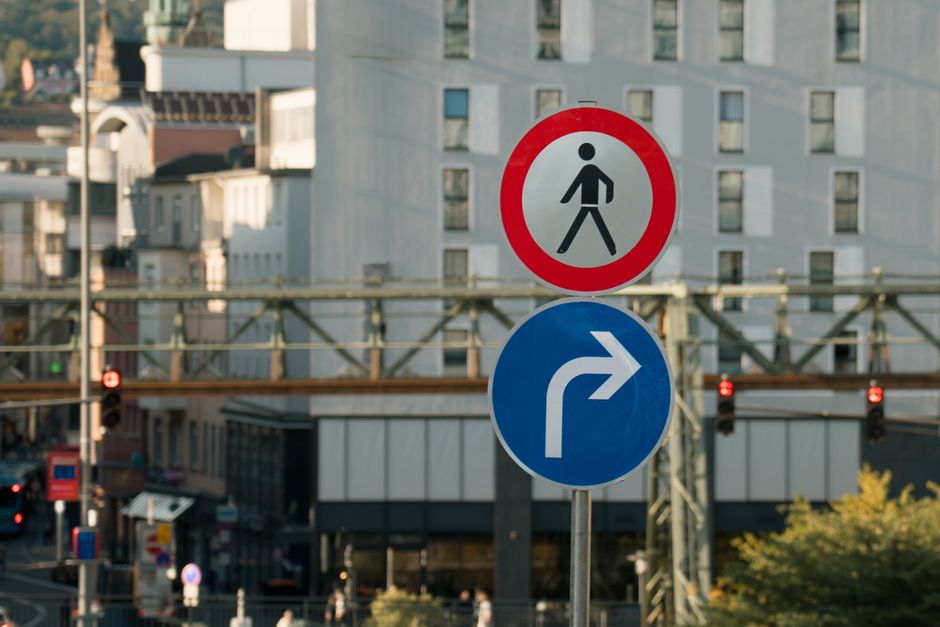
Photo by Jakub Zerdzicki on Pexels
Knowing who has the right-of-way prevents crashes.
- Uncontrolled Intersections: If two vehicles arrive at an uncontrolled intersection at roughly the same time, the vehicle on the right has the right-of-way.
- Left Turns: Drivers turning left must yield to oncoming traffic and pedestrians.
- Yield Signs: You must slow down or stop and yield to traffic already in or approaching the intersection.
- Stop Signs: You must come to a complete stop. The first vehicle to stop is usually the first to proceed. If two vehicles stop at the same time, the one on the right goes first.
Speed Limits
Speed limits are the maximum legal speed you can drive under ideal conditions. Always adjust your speed for weather, road conditions, and traffic.
- Urban Areas: Usually 50 km/h unless otherwise posted.
- Rural Areas: Usually 80 km/h or 100 km/h on highways, unless otherwise posted.
- Playgrounds/School Zones: Reduced speed limits (often 30 km/h) are enforced when children are present.
graph TD
    Start["Driver Encounters Traffic Control"] --> A{Type of Control?}
    A --> B["Traffic Signs"]
    A --> C["Traffic Signals"]
    A --> D["Road Markings"]

    B --> B1("Regulatory (Stop, Yield, Speed Limit)")
    B --> B2("Warning (Curve Ahead, School Zone)")
    B --> B3("Guide (Highway Exit, Services)")

    C --> C1("Solid Green Light (Go)")
    C --> C2("Solid Yellow Light (Prepare to Stop)")
    C --> C3("Solid Red Light (Stop)")
    C --> C4("Flashing Yellow Light (Proceed with Caution)")
    C --> C5("Flashing Red Light (Stop, then Proceed Safely)")
    C --> C6("Arrows (Protected Turn)")

    D --> D1("Solid White Line (Edge of Road, No Lane Change)")
    D --> D2("Broken White Line (Lane Change Allowed)")
    D --> D3("Solid Yellow Line (Opposite Traffic, No Passing)")
    D --> D4("Broken Yellow Line (Opposite Traffic, Passing Allowed if on your side)")
    D --> D5("Double Solid Yellow Line (No Passing)")
    D --> D6("Crosswalks (Yield to Pedestrians)")

    B1 --> E[Driver Action]
    B2 --> E
    B3 --> E
    C1 --> E
    C2 --> E
    C3 --> E
    C4 --> E
    C5 --> E
    C6 --> E
    D1 --> E
    D2 --> E
    D3 --> E
    D4 --> E
    D5 --> E
    D6 --> E

    E --> F["Safe Driving Decision"]
3. Worked Example
You're driving on a two-lane road (one lane in each direction). You see a broken yellow line on your side of the road, and a solid yellow line on the opposite side. Ahead, you notice a yellow diamond-shaped sign with a squiggly arrow pointing left. What does this all mean?
- Broken yellow line on your side: You are permitted to pass if it's safe to do so and there's no oncoming traffic.
- Solid yellow line on the opposite side: Drivers coming from the opposite direction are not permitted to pass.
- Yellow diamond-shaped sign with squiggly arrow: This is a warning sign indicating a curve to the left ahead. You should slow down and be prepared to steer through the curve.
So, you should check your mirrors, ensure the way is clear, and if safe, you could pass before the curve. However, given the curve ahead, it's generally safer to stay in your lane, reduce your speed, and prepare for the turn.
4. Key Takeaways
- Traffic signs use specific shapes and colors to quickly convey their meaning.
- Traffic signals dictate when to stop, go, or proceed with caution.
- Road markings define lanes, indicate passing zones, and mark pedestrian areas.
- Always yield to the vehicle on the right at uncontrolled intersections if you arrive simultaneously.
- Drivers turning left must yield to oncoming traffic and pedestrians.
- Speed limits are maximums; always adjust your speed for conditions.
- Pay extra attention in school and playground zones, and always yield to pedestrians.
Common Mistakes to Avoid:
- Not coming to a complete stop at a stop sign or before turning right on red.
- Assuming you always have the right-of-way, especially when turning left.
- Failing to adjust speed for weather or road conditions, even if under the posted limit.
- Ignoring flashing yellow lights or treating them like a solid green.
5. Now Try It
Spend 15 minutes observing traffic controls in your neighbourhood or on a short drive (as a passenger if you don't have your learner's permit yet). Pay attention to every sign, signal, and road marking you see. Identify its type (regulatory, warning, guide) and what action it requires or information it provides.
What success looks like: You can correctly identify at least 10 different traffic signs, explain the meaning of all colors of traffic lights, and describe what solid and broken yellow and white lines mean on the road.
Frequently asked about Traffic Control and Rules of the Road Basics
More from driver's knowledge test alberta
Get the full driver's knowledge test alberta curriculum
Clone the complete plan to your dashboard for unlimited AI-generated notes, practice quizzes, and a personalised revision schedule.
Create Free Account