Common General Surgical Procedures and Conditions
From the Surgery curriculum
TL;DR
General surgery covers a broad range of common conditions affecting the abdomen, skin, and soft tissues. You'll frequently encounter issues like appendicitis, hernias, and gallbladder disease, often requiring surgical intervention. Understanding these basics is crucial for any medical professional.
1. The Mental Model
Think of general surgery as the "front-line" of surgical care. It addresses many acute and chronic conditions that are common in the general population, often focusing on the digestive tract and related organs.
2. The Core Material
General surgery is a broad specialty, but several conditions and their surgical treatments are very common. Knowing these will give you a solid foundation.
Appendicitis and Appendectomy

Photo by Engin Akyurt on Pexels
Appendicitis is inflammation of the appendix, a small finger-shaped pouch projecting from your large intestine. It's often caused by a blockage, leading to infection and swelling. The classic presentation includes periumbilical pain migrating to the right lower quadrant, nausea, vomiting, and fever.
The primary treatment is an appendectomy, surgical removal of the appendix. This is usually done urgently to prevent rupture, which can lead to peritonitis (widespread infection in the abdomen).
Hernias and Hernia Repair

Photo by dumitru B on Pexels
A hernia occurs when an organ or fatty tissue squeezes through a weak spot in a surrounding muscle or connective tissue. Common types include:
* Inguinal hernia: Most common, occurs in the groin.
* Umbilical hernia: Occurs around the belly button.
* Incisional hernia: Develops at the site of a previous surgical incision.
Symptoms can range from a painless bulge to severe pain if the hernia becomes incarcerated (trapped) or strangulated (blood supply cut off, leading to tissue death).
Hernia repair (herniorrhaphy/hernioplasty) involves pushing the protruding tissue back into place and reinforcing the weakened muscle wall, often with a synthetic mesh.
Gallstones (Cholelithiasis) and Cholecystectomy
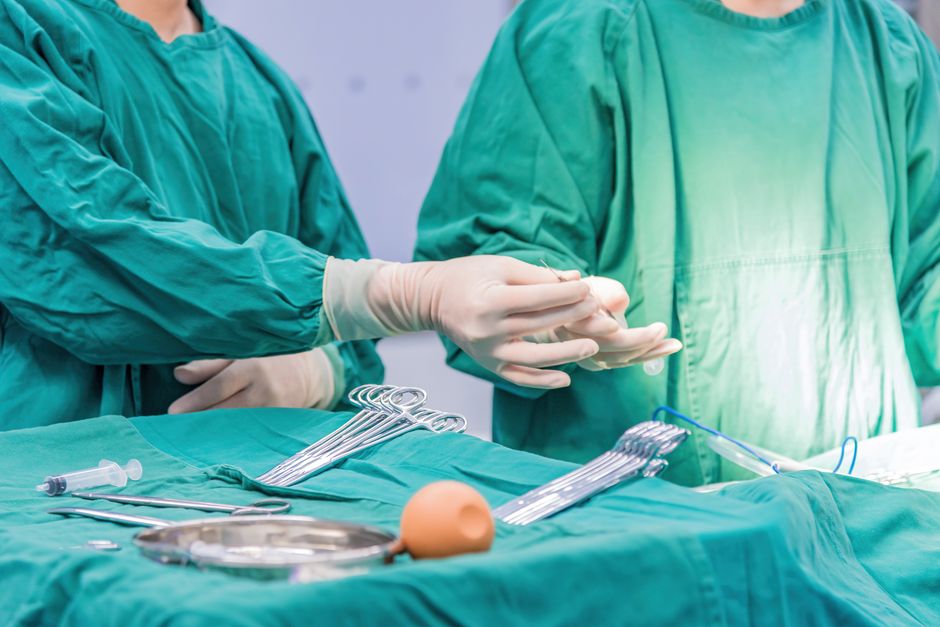
Photo by Lemniscate L on Pexels
Gallstones (cholelithiasis) are hardened deposits that can form in your gallbladder, a small organ beneath your liver. They can range in size from a grain of sand to a golf ball. While many people with gallstones have no symptoms, they can cause:
* Biliary colic: Sudden, intense pain in the upper right abdomen, often after fatty meals.
* Cholecystitis: Inflammation of the gallbladder, usually due to a stone blocking the cystic duct.
* Cholangitis: Infection of the bile ducts.
* Pancreatitis: Inflammation of the pancreas.
The definitive treatment for symptomatic gallstones is a cholecystectomy, surgical removal of the gallbladder. This is typically done laparoscopically (minimally invasive).
Other Common Conditions

Photo by Towfiqu barbhuiya on Pexels
- Bowel Obstruction: Blockage in the small or large intestine, preventing passage of food, fluid, and gas. Can be caused by adhesions, hernias, tumors, or strictures. Requires careful diagnosis and often surgical intervention to relieve the obstruction.
- Diverticulitis: Inflammation or infection of small pouches (diverticula) that can form in the lining of the digestive tract, most commonly in the colon. Mild cases are managed with antibiotics; severe cases or recurrent episodes may require surgical resection of the affected bowel.
- Breast Lumps/Cancer: General surgeons often manage breast conditions, including biopsies for suspicious lumps and surgical removal of breast cancer (lumpectomy or mastectomy).
Here's a simplified flow for common abdominal surgical presentations:
graph TD
    A["Patient Presents with Abdominal Pain"] --> B{Clinical Assessment & Labs};
    B --> C{Imaging (e.g., Ultrasound, CT)};
    C --> D{"Suspected Appendicitis?"};
    D -- "Yes" --> E["Appendectomy (often Laparoscopic)"];
    D -- "No" --> F{"Suspected Gallstone Disease?"};
    F -- "Yes" --> G["Cholecystectomy (often Laparoscopic)"];
    F -- "No" --> H{"Suspected Hernia?"};
    H -- "Yes" --> I["Hernia Repair (with or without Mesh)"];
    H -- "No" --> J{"Other Abdominal Pathology (e.g., Bowel Obstruction, Diverticulitis)?"};
    J -- "Yes" --> K["Specific Surgical Intervention (e.g., Laparotomy, Resection)"];
    J -- "No" --> L["Medical Management / Further Investigation"];
3. Worked Example
A 35-year-old male presents to the emergency department with a 12-hour history of severe, colicky pain in his upper right abdomen, radiating to his back. The pain started about an hour after eating a greasy burger and fries. He reports associated nausea and one episode of vomiting. On examination, he is afebrile, but has tenderness in the right upper quadrant. Labs show a normal white blood cell count. An abdominal ultrasound is performed, which reveals multiple gallstones within the gallbladder, a thickened gallbladder wall, and pericholecystic fluid. The cystic duct appears obstructed. Given these findings, the diagnosis is acute cholecystitis due to gallstones. The patient is admitted, started on IV fluids and antibiotics, and scheduled for a laparoscopic cholecystectomy later that day or the next morning.
4. Key Takeaways
- Appendicitis, hernias, and gallstone disease are incredibly common general surgical conditions.
- Appendectomy is the surgical removal of an inflamed appendix, usually done urgently.
- Hernia repair addresses tissue protruding through a weak spot, often using mesh reinforcement.
- Cholecystectomy removes the gallbladder, typically for symptomatic gallstones.
- Many general surgical procedures are now performed laparoscopically, offering quicker recovery.
- Understanding the classic presentations of these conditions is vital for prompt diagnosis.
- Complications like peritonitis from a ruptured appendix or strangulated hernia are surgical emergencies.
5. Now Try It
Imagine you're the first doctor seeing a patient in the ED. A 55-year-old obese woman presents with a several-month history of an intermittent bulge in her right groin that becomes painful when she lifts heavy objects. It typically reduces (disappears) when she lies down. Today, the bulge is present, firm, and she can't push it back in, and the pain is constant and worsening. She's also feeling nauseated.
What is your immediate concern based on her symptoms? What two general surgical conditions are highest on your differential diagnosis, and why? What's the immediate management priority? Write down your answers. You'll know you've got it if you identify a specific type of hernia and recognize the urgency of her current presentation.
Frequently asked about Common General Surgical Procedures and Conditions
Study this next
Get the full Surgery curriculum
Clone the complete plan to your dashboard for unlimited AI-generated notes, practice quizzes, and a personalised revision schedule.
Save this course free