"Basic Laboratory Safety and Procedures",
From the Integrated Science curriculum
TL;DR
Working in a science lab requires strict adherence to safety rules to protect yourself and others from hazards. Knowing how to handle chemicals, use equipment properly, and respond to emergencies is crucial for a safe and effective learning environment. Always prioritize safety first, follow instructions, and know where safety equipment is located.
1. The Mental Model
Think of the lab as a kitchen, but where some ingredients are much more dangerous. Just like you'd follow a recipe and use proper tools in the kitchen, in the lab, you follow specific procedures and use safety gear to prevent accidents and ensure your experiments work as intended.
2. The Core Material
Working safely in a lab isn't just about following rules; it's about understanding why those rules exist. Most lab accidents are preventable if you're prepared and attentive.
General Safety Rules

Photo by K on Pexels
- Always wear appropriate Personal Protective Equipment (PPE): This usually means safety goggles to protect your eyes from splashes, impacts, or fumes. Sometimes it also includes lab coats to protect your clothing and skin, and gloves for handling chemicals.
- No eating, drinking, or chewing gum: Food and drinks can become contaminated with chemicals, and you don't want to ingest them.
- Keep your workspace tidy: Clutter can lead to spills, trips, or knocked-over equipment. Make sure aisles are clear.
- Know the location of safety equipment: You should know where the eyewash station, safety shower, fire extinguisher, first-aid kit, and spill kits are located, and how to use them.
- Report all accidents or spills, no matter how small: Even minor incidents can indicate a larger safety issue or require specific clean-up procedures. Your instructor needs to know immediately.
- Handle chemicals with care: Always read labels twice before using a chemical. Never taste or directly sniff chemicals. Dispose of chemical waste properly, as instructed, usually in designated waste containers, never down the drain unless specifically told to do so.
- Know emergency procedures: What should you do in case of a fire, chemical spill on skin, or other emergency? Your instructor will explain these.
Handling Laboratory Equipment
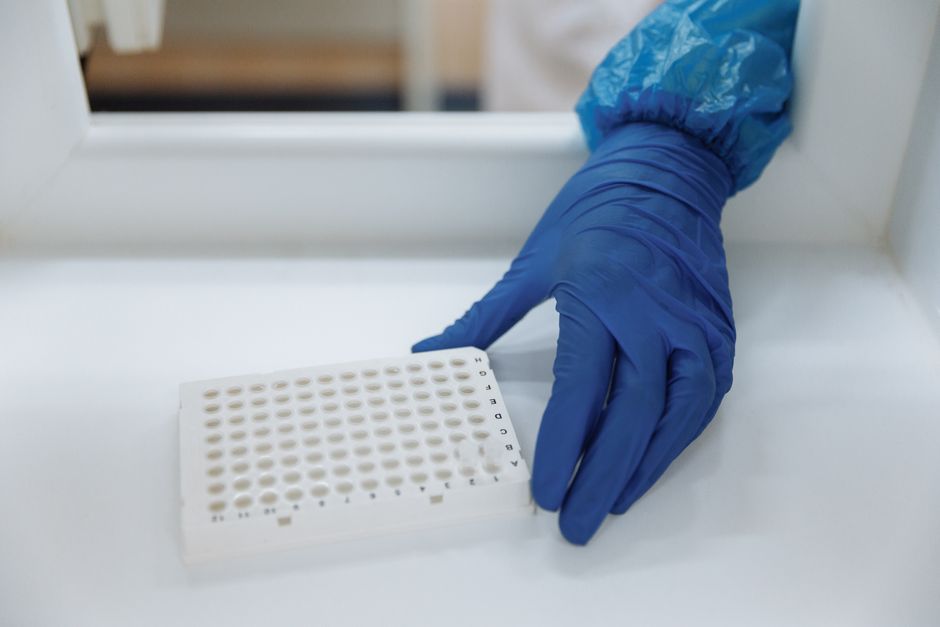
Photo by Thirdman on Pexels
Lab equipment ranges from simple glassware to complex electronic devices. Proper handling prevents damage and injury.
- Glassware: Always check for cracks or chips before use. Never use damaged glassware. When heating glassware, use a wire gauze with a ceramic center on a tripod stand to distribute heat evenly.
- Heating equipment: Bunsen burners should be lit carefully, and the flame adjusted to a suitable size. Never leave a lit burner unattended. Hot plates should be turned off when not in use and allowed to cool. Remember, hot glassware looks just like cool glassware! Use tongs or heat-resistant gloves.
- Electrical equipment: Keep electrical cords away from water. Report any frayed wires or damaged plugs immediately.
- Measuring tools: Use the correct measuring tool for the job. For example, a graduated cylinder for precise liquid volumes, and a beaker for approximate volumes.
Chemical Hazard Symbols (Globally Harmonized System - GHS)
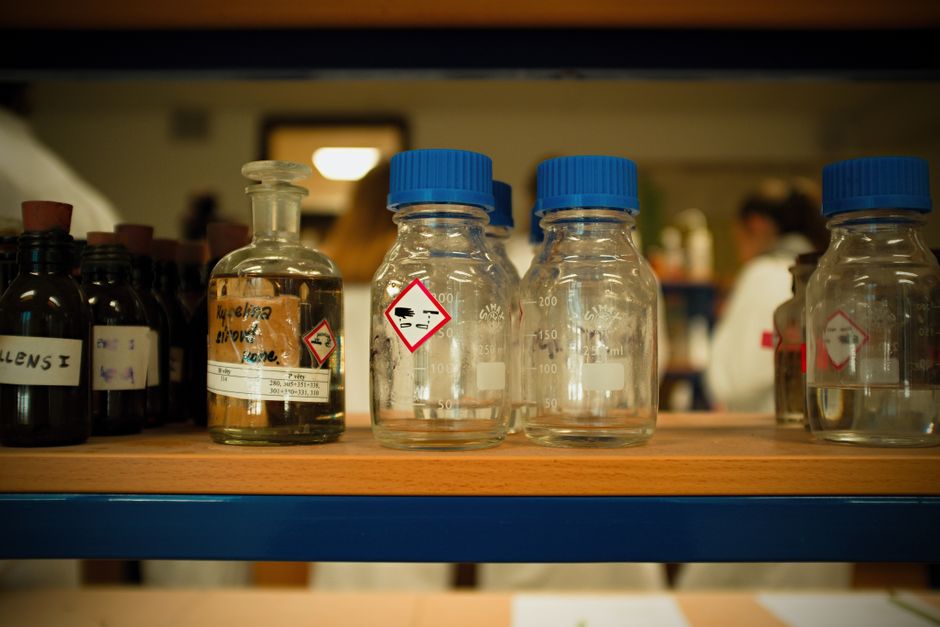
Photo by Jiri Ikonomidis on Pexels
These symbols help you quickly identify the dangers associated with a chemical. You'll often see them on chemical bottles or safety data sheets (SDS).
graph TD
    A["Safety in the Lab"] --> B{"Is it a new experiment or chemical?"}
    B -- Yes --> C["Read Lab Manual & SDS"]
    B -- No --> D["Review Procedure"]

    C --> E["Identify Hazards (GHS Symbols)"]
    D --> E

    E --> F{"Is PPE required?"}
    F -- Yes --> G["Wear Goggles, Lab Coat, Gloves (as needed)"]
    F -- No --> H["Proceed with Caution"]

    G --> I["Set up Workspace Safely"]
    H --> I

    I --> J["Conduct Experiment"]
    J --> K{"Accident/Spill?"}
    K -- Yes --> L["Alert Instructor Immediately"]
    L --> M["Follow Emergency Procedures"]
    K -- No --> N["Clean up Workspace"]

    N --> O["Dispose of Waste Properly"]
    O --> P["Wash Hands Thoroughly"]
    P --> Q["Exit Lab Safely"]
3. Worked Example
Let's say you're doing an experiment involving hydrochloric acid (HCl) and sodium hydroxide (NaOH) to perform a neutralization reaction.
- Preparation: Before starting, you'd read the lab manual and note that both HCl and NaOH are corrosive. You check their labels for GHS symbols – likely a corrosion symbol (a hand and table being corroded) and potentially an exclamation mark (irritant).
- PPE: Based on the hazard, you must wear safety goggles and a lab coat. You also decide to wear chemical-resistant gloves because you'll be handling solutions that can cause skin burns.
- Setup: You gather your clean glassware (beakers, graduated cylinder), ensuring no chips. You set up your workspace, making sure the eyewash station is easily accessible.
- Procedure: You carefully measure out the HCl using a graduated cylinder, pouring slowly to avoid splashes. Then you do the same for NaOH. You add them together as per the instructions, observing the reaction.
- Incident: During the transfer, a small drop of NaOH solution splashes onto your glove. You immediately check your hand. No skin contact, but you recognize the glove is now contaminated. You carefully remove the glove, dispose of it in the designated waste, and put on a new pair. You also wipe down the area with a damp cloth and report the minor splash to your instructor.
- Cleanup: After the experiment, you neutralize the leftover solutions as instructed, pour them into the correct waste container, clean your glassware, and wash your hands thoroughly before leaving.
4. Key Takeaways
- Always wear safety goggles in the lab, even if you're just observing.
- Read chemical labels and understand GHS symbols before handling any substance.
- Know the location and proper use of all safety equipment (eyewash, shower, fire extinguisher).
- Report all accidents, spills, or broken equipment to your instructor immediately.
- Never eat, drink, or apply cosmetics in the lab; these can become contaminated.
- Always dispose of chemical waste in designated containers, never down the drain unless specified.
-
Plan your experiment and understand the procedure before you begin.
-
Common Mistakes to Avoid:
- Not wearing PPE because an experiment seems "safe" or "simple."
- Pouring chemicals down the sink without confirmation it's safe to do so.
- Not reporting minor spills or incidents, thinking they're not important.
- Working alone or without supervision in the lab.
5. Now Try It
Take 15 minutes to review your school's or institution's specific lab safety rules and the layout of your science laboratory. Find the actual locations of the eyewash station, safety shower, fire extinguisher, and first-aid kit. Also, identify where your instructor wants chemical waste disposed of. Success looks like you being able to point out all these safety features and confidently describe two specific emergency procedures (e.g., what to do for a chemical spill on skin, or a fire).
Frequently asked about "Basic Laboratory Safety and Procedures",
More from Integrated Science
Get the full Integrated Science curriculum
Clone the complete plan to your dashboard for unlimited AI-generated notes, practice quizzes, and a personalised revision schedule.
Save this course free