Traffic Control Systems and Roadway Markings
From the driving curriculum
Traffic Control Systems and Roadway Markings
TL;DR
Traffic control systems like signals and signs tell you what to do, while roadway markings guide your lane position and indicate rules. Understanding these helps you drive safely and predictably. Always be aware of your surroundings and react appropriately to avoid accidents.
1. The Mental Model
Think of traffic controls and markings as the road's language. They're always communicating crucial information about hazards, regulations, and directions. Learning to "read" them quickly and correctly makes you a safer, more confident driver.
2. The Core Material
You'll encounter three main types of traffic control: traffic signals, traffic signs, and roadway markings. Each has a specific role in keeping traffic flowing smoothly and safely.
Traffic Signals
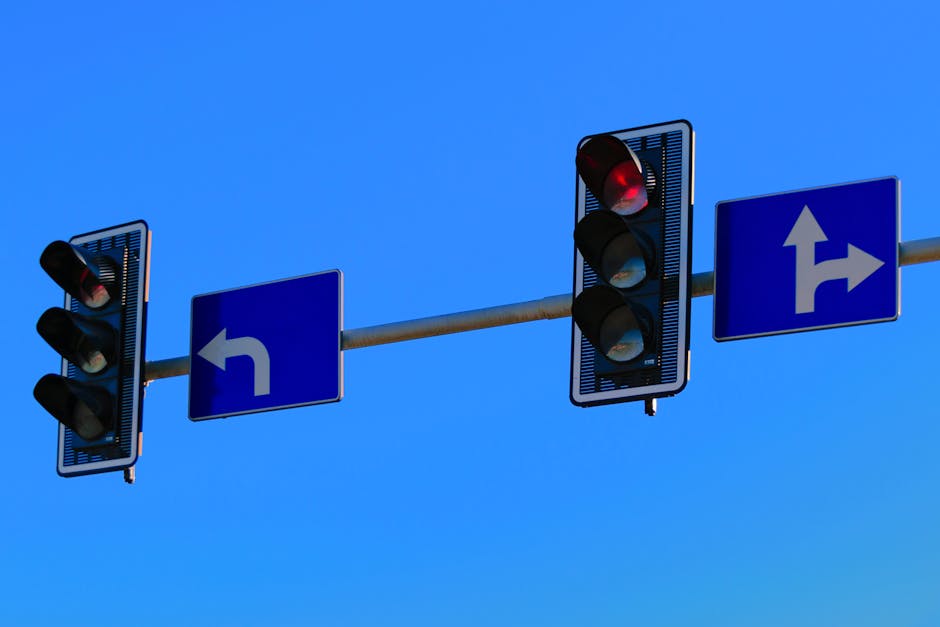
Photo by AS Photography on Pexels
Traffic signals use colors to tell you when to stop, go, or proceed with caution.
- Red Light: Means stop behind the stop line or crosswalk. Don't enter the intersection.
- Yellow Light: Means the light is about to turn red; prepare to stop. If you're already in the intersection or too close to stop safely, you can proceed with caution.
- Green Light: Means you can proceed if the intersection is clear and it's safe to do so. Always yield to pedestrians and other vehicles that may still be in the intersection.
- Flashing Red: Treat it like a stop sign. Stop completely, then proceed when safe.
- Flashing Yellow: Means slow down and proceed with caution. Be prepared to stop if necessary.
- Arrows (Green, Yellow, Red): Apply specifically to the direction indicated by the arrow. For example, a green arrow means you can turn in that direction.
Traffic Signs
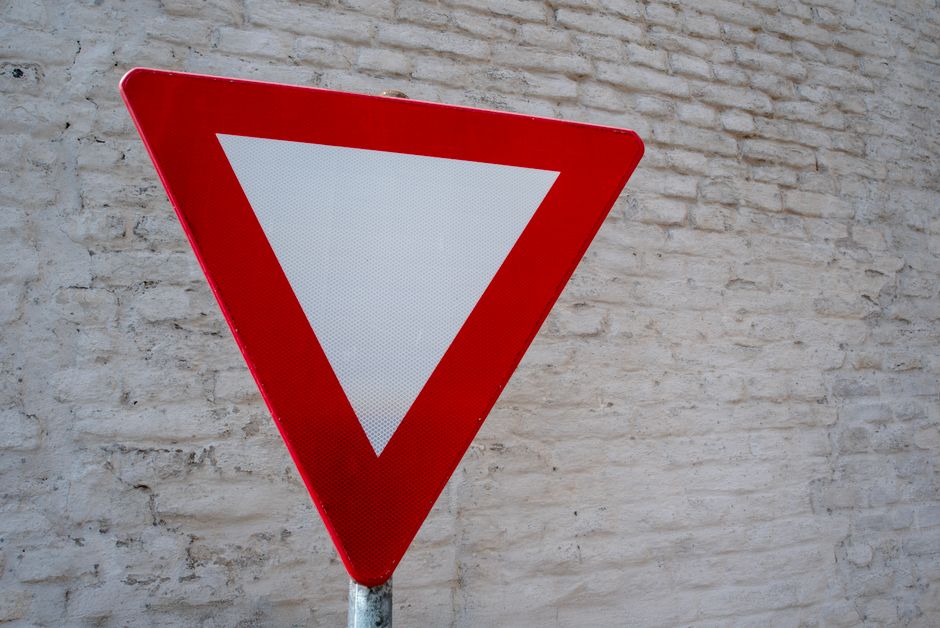
Photo by Jan van der Wolf on Pexels
Traffic signs provide information, warn of hazards, and regulate traffic flow. They come in different shapes and colors, each with a general meaning:
- Regulatory Signs (White, Red, Black): Tell you what you must or must not do. Examples: STOP, YIELD, DO NOT ENTER, SPEED LIMIT.
- Warning Signs (Yellow, Orange, Fluorescent Yellow-Green): Alert you to potential hazards or upcoming changes. Examples: CURVE AHEAD, PEDESTRIAN CROSSING, CONSTRUCTION. Orange signs specifically warn of temporary traffic control zones. Fluorescent yellow-green signs are for pedestrian/bicycle/school zone warnings.
- Guide Signs (Green, Blue, Brown): Provide information about routes, destinations, and services. Examples: Street names, highway numbers, HOSPITAL, REST AREA.
Roadway Markings
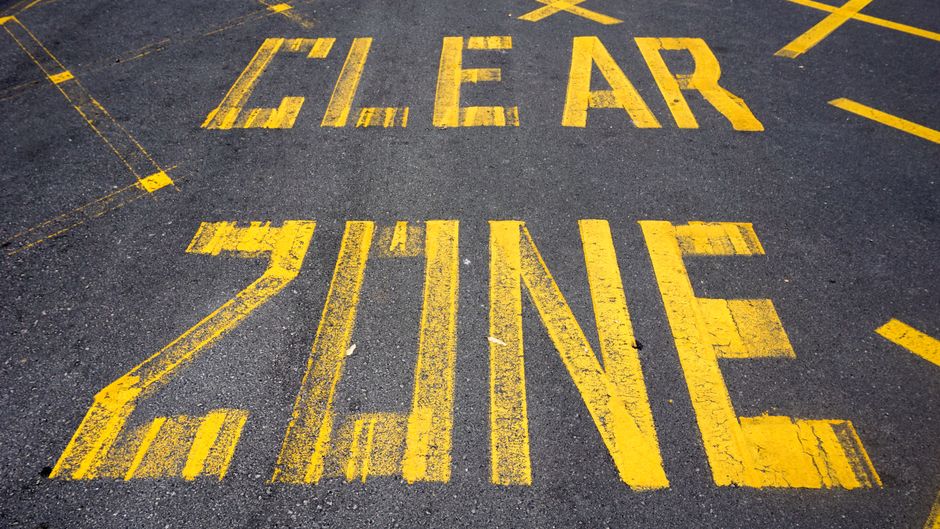
Photo by Enouch E on Pexels
Roadway markings are painted lines, symbols, and words on the road surface that give you guidance or direction.
- White Lines: Separate traffic flowing in the same direction, or mark the edge of the road.
- Solid White Line: Don't change lanes or cross it.
- Broken White Line: You can change lanes if it's safe.
- Stop Lines: Solid white lines across your lane where you should stop at an intersection.
- Crosswalks: Solid white lines indicating where pedestrians cross.
- Yellow Lines: Separate traffic flowing in opposite directions, or mark the left edge of undivided roadways.
- Solid Yellow Line (single): Don't pass or cross it.
- Double Solid Yellow Lines: Never cross them to pass another car. You can turn left across them into a driveway or private road if permitted.
- Broken Yellow Line: You can pass if it's safe and clear.
- Solid Yellow Line next to a Broken Yellow Line: If the broken line is on your side, you can pass. If the solid line is on your side, you can't pass.
- Other Markings:
- Arrows: Indicate required turns or lane direction.
- "STOP" or "YIELD" pavement legends: Reinforce sign meanings.
- HOV Lanes (Diamond Symbol): Lanes reserved for high-occupancy vehicles.
graph TD
    A["Traffic Control Systems"] --> B["Traffic Signals"]
    A --> C["Traffic Signs"]
    A --> D["Roadway Markings"]

    B --> B1["Red (Stop)"]
    B --> B2["Yellow (Prepare to stop)"]
    B --> B3["Green (Proceed if clear)"]
    B --> B4["Flashing (Caution / Stop)"]

    C --> C1["Regulatory (Rules)"]
    C --> C2["Warning (Hazards)"]
    C --> C3["Guide (Information)"]

    D --> D1["White Lines (Same direction/Edge)"]
    D --> D2["Yellow Lines (Opposite direction)"]
    D --> D3["Other (Arrows, Words, HOV)"]

    C1 --> C1a["Stop, Yield, Speed Limit"]
    C2 --> C2a["Curve, Pedestrian X-ing, Construction"]
    C3 --> C3a["Route, Destination, Services"]

    D1 --> D1a["Solid, Broken, Stop Line, Crosswalk"]
    D2 --> D2a["Single Solid, Double Solid, Broken/Solid combo"]
3. Worked Example
Imagine you're approaching an intersection. You see a yellow diamond-shaped sign with a curved arrow pointing right, followed by a solid white line on the right side of your lane and a double solid yellow line to your left. Ahead, the traffic signal is flashing yellow.
Here's how you'd interpret that:
- Yellow Diamond Sign with Curved Arrow: This is a warning sign. It tells you there's a curve to the right ahead. You should start to slow down.
- Solid White Line (right side): This marks the edge of the roadway or shoulder. You shouldn't cross it.
- Double Solid Yellow Line (left side): This separates your lane from oncoming traffic, and you absolutely cannot pass another vehicle here.
- Flashing Yellow Light: This means proceed with caution. You should slow down, look both ways, and be ready to stop if necessary before entering the intersection, but you don't have to stop completely unless there's cross-traffic.
Combining these, you'd slow down for the curve, stay in your lane (not crossing the solid lines), and approach the intersection cautiously, checking for cross-traffic before proceeding.
4. Key Takeaways
- Traffic signals, signs, and roadway markings are essential for safe driving.
- Red means stop, yellow means caution/prepare to stop, and green means proceed if clear.
- Sign shapes and colors give immediate clues about their purpose (e.g., yellow diamonds are warnings).
- White lines separate traffic going the same way or mark the road edge.
- Yellow lines separate traffic going opposite directions; solid yellow lines mean no passing.
-
Always be aware of all three types of controls simultaneously to understand the full situation.
-
Common Mistakes to Avoid:
- Running a yellow light when you could have stopped safely.
- Not yielding at flashing red lights (treating them like a yield sign).
- Crossing double solid yellow lines to pass.
- Not understanding the meaning of different colored and shaped signs.
5. Now Try It
Spend 15 minutes as a passenger in a car or walking around your neighborhood. Actively identify and verbally describe every traffic signal, sign, and roadway marking you see. Explain what each one means and what action a driver should take.
Success looks like: You can confidently identify at least 10 different types of signs, explain the meaning of all traffic signal colors, and differentiate between solid and broken white/yellow lines.
Frequently asked about Traffic Control Systems and Roadway Markings
Study this next
Get the full driving curriculum
Clone the complete plan to your dashboard for unlimited AI-generated notes, practice quizzes, and a personalised revision schedule.
Create Free Account