Ancient Civilizations
From the history curriculum
TL;DR
Ancient civilizations laid the foundation for modern society through innovations in governance, culture, and technology. Key civilizations include Mesopotamia, Egypt, India, China, and the Americas. Understanding their contributions helps appreciate the complexity of human history.
1. The Mental Model
When we think about ancient civilizations, consider their social structures, technological advancements, and cultural practices. Each civilization contributed uniquely to human progress. Recognizing their interconnections can give a broader view of history.
2. The Core Material
2.1 Mesopotamia
Mesopotamia is often called the "Cradle of Civilization." It developed between the Tigris and Euphrates rivers and is known for:
- Writing: Cuneiform, one of the first systems of writing.
- Government: City-states led by kings.
- Legal Codes: The Code of Hammurabi is one of the earliest written laws.
2.2 Ancient Egypt

Photo by Chibili Mugala on Pexels
Egypt is renowned for its impressive architecture and centralized government. Major points include:
- Pyramids: Massive structures built as tombs for pharaohs.
- Hieroglyphics: A complex writing system using pictorial symbols.
- Religion: A polytheistic belief system that influenced art and society.
2.3 Indus Valley Civilization

Photo by Ayesha Memon on Pexels
Located in present-day Pakistan and northwest India, the Indus Valley Civilization is notable for:
- Urban Planning: Cities like Harappa and Mohenjo-Daro featured advanced drainage systems.
- Trade: Extensive trade networks with Mesopotamia.
- Written Language: Still undeciphered, showcasing their complexity.
2.4 Ancient China

Photo by Da Na on Pexels
Ancient China had a lasting impact on culture and governance, marked by:
- Dynasties: Several ruling families, such as the Shang and Zhou, shaping its history.
- Inventions: Innovations like papermaking, gunpowder, and the compass.
- Confucianism and Daoism: Philosophies that influenced Chinese society and governance.
2.5 Mesoamerican Civilizations
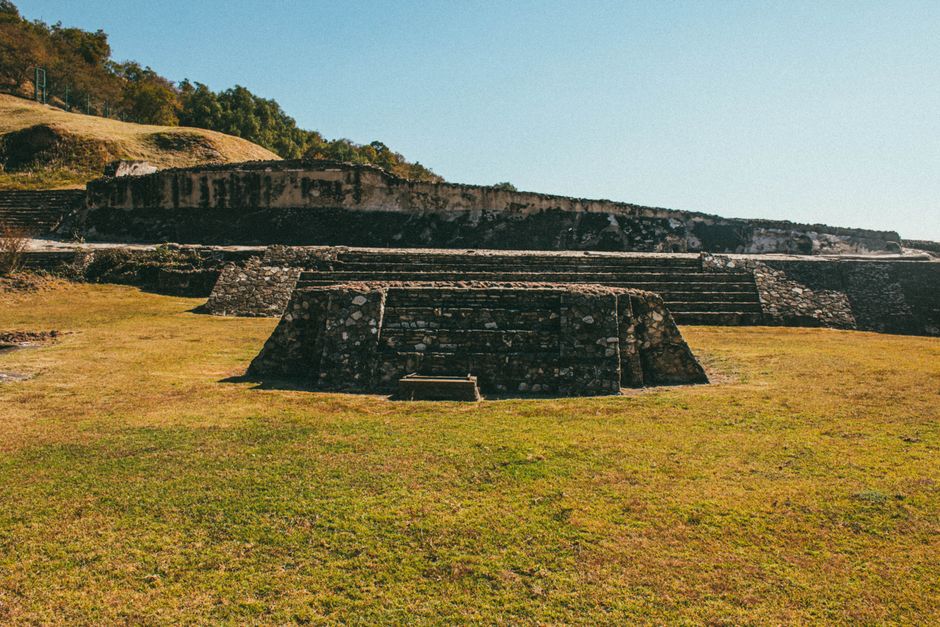
Photo by Nairod Reyes on Pexels
Civilizations like the Maya and Aztecs contributed significantly in the Americas:
- Calendars: Advanced knowledge of astronomy led to detailed calendars.
- Architecture: Pyramids and temples that served religious purposes.
- Agriculture: Techniques such as terrace farming to maximize arable land.
2.6 Common Characteristics
Across these civilizations, several traits were common:
- Development of social hierarchies.
- Innovations in agriculture.
- Creation of legal systems and governance structures.
Here’s a diagram showcasing the relationships and characteristics across these civilizations:
graph TD;
    A["Mesopotamia"] --> B["Writing (Cuneiform)"];
    A --> C["Government (City-States)"];
    A --> D["Law (Code of Hammurabi)"];

    E["Ancient Egypt"] --> F["Architecture (Pyramids)"];
    E --> G["Writing (Hieroglyphics)"];
    E --> H["Religion (Polytheism)"];

    I["Indus Valley"] --> J["Urban Planning"];
    I --> K["Trade"];
    I --> L["Undeciphered Writing"];

    M["Ancient China"] --> N["Dynasties"];
    M --> O["Inventions (Papermaking)"];
    M --> P["Philosophy (Confucianism)"];

    Q["Mesoamerican Civilizations"] --> R["Calendars"];
    Q --> S["Architecture (Temples)"];
    Q --> T["Agriculture"];
3. Worked Example
Let’s explore Mesopotamia's Code of Hammurabi as a key development. The code consists of 282 laws that cover various aspects of daily life. Here’s a simplified version of one:
- Law: "If a builder builds a house for someone and it collapses, killing the owner, the builder shall be put to death."
This highlights the emphasis on accountability and justice, setting a precedent for legal systems that followed.
4. Key Takeaways
- Ancient civilizations contributed significantly to writing, governance, and culture.
- Innovations from these societies still impact our modern world.
- Each civilization had unique features but shared common traits.
Common Mistakes to Avoid:
- Assuming all ancient civilizations were similar; they had distinct characteristics.
- Overlooking the influence of geography on the development of these societies.
- Ignoring the importance of trade and cultural exchange.
5. Now Try It
Take 15 minutes to research one ancient civilization not covered in detail above, like the Phoenicians or the Inca. Write down three key contributions of that civilization to society, focusing on aspects like governance, culture, or technology. Success means you can identify specific examples and understand their significance.
============================================================
MERMAID SYNTAX (if you actually include diagrams)
- Wrap any node text with parens, brackets or spaces in DOUBLE QUOTES:
A["Some text (with parens)"] - Use
``mermaid fences. Use-->arrows, NEVER HTML entities like>`.
Frequently asked about Ancient Civilizations
Study this next
Get the full history curriculum
Clone the complete plan to your dashboard for unlimited AI-generated notes, practice quizzes, and a personalised revision schedule.
Save this course free