Foundations of Ancient Civilizations
From the I have a history study guide I need turned into a test? curriculum
TL;DR
Ancient civilizations developed in river valleys because water, fertile land, and transportation were crucial for survival and growth. Key features included organized governments, specialized labor, complex religions, social hierarchies, and advancements in writing, arts, and technology. These early societies laid the groundwork for future human development.
1. The Mental Model
Think of ancient civilizations as intricate ecosystems that flourished when essential resources, especially water, were abundant. These societies then built complex structures—from cities to governments to belief systems—to manage those resources and their growing populations.
2. The Core Material
Ancient civilizations didn't just pop up anywhere; they generally emerged in specific geographic areas that offered significant advantages. The "cradles of civilization" were almost always river valleys. Why? Rivers provided:
* Fertile land: Annual floods deposited nutrient-rich silt, making farming highly productive.
* Water for irrigation: Essential for growing crops, especially in drier climates.
* Transportation: Rivers were natural highways for trade and communication.
* Resources: Water for drinking, fishing, and raw materials like clay for building.
This reliable food supply led to a food surplus, which freed up some people from farming. This allowed for specialization of labor, meaning people could become artisans, priests, soldiers, or administrators. With more people and specialized roles, societies grew more complex, leading to the development of key characteristics:
Characteristics of Civilization
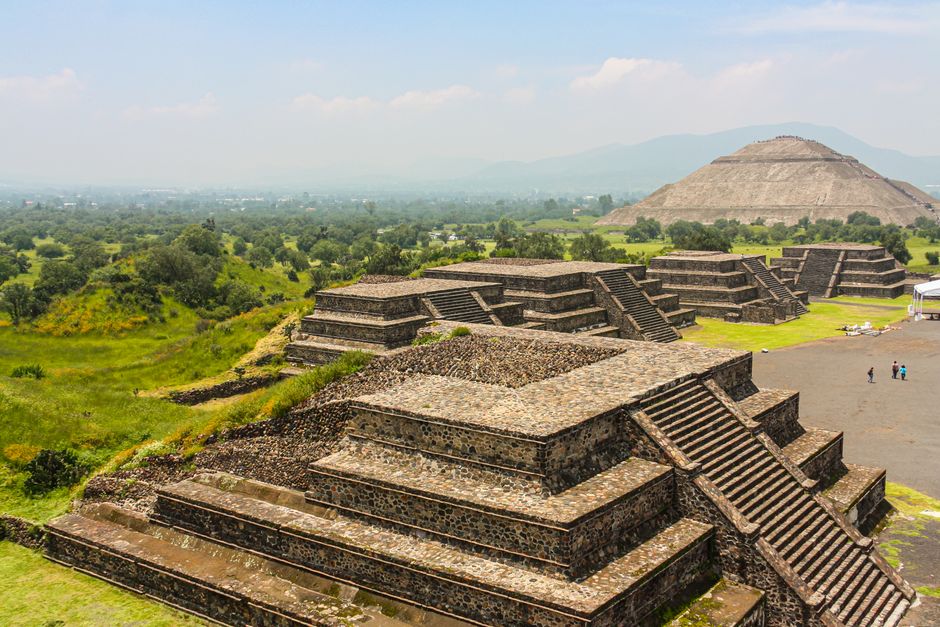
Photo by Maciej Cisowski on Pexels
- Cities: Dense populations and centers for trade, government, and religion.
- Organized Government: Systems to manage resources, maintain order, and defend the community (e.g., laws, leaders).
- Complex Religions: Belief systems often involving gods, rituals, and a priestly class.
- Social Hierarchy: Clear distinctions between different social classes (e.g., rulers, priests, warriors, commoners, slaves).
- Specialized Labor: People performing specific jobs beyond farming (e.g., potters, scribes, soldiers).
- Writing: Systems for recording information, laws, and stories (e.g., cuneiform, hieroglyphs).
- Art and Architecture: Monumental buildings, sculptures, and decorative arts reflecting cultural values.
- Public Works: Large-scale projects like irrigation systems, roads, and defensive walls.
River Valley Civilizations and Their Key Contributions
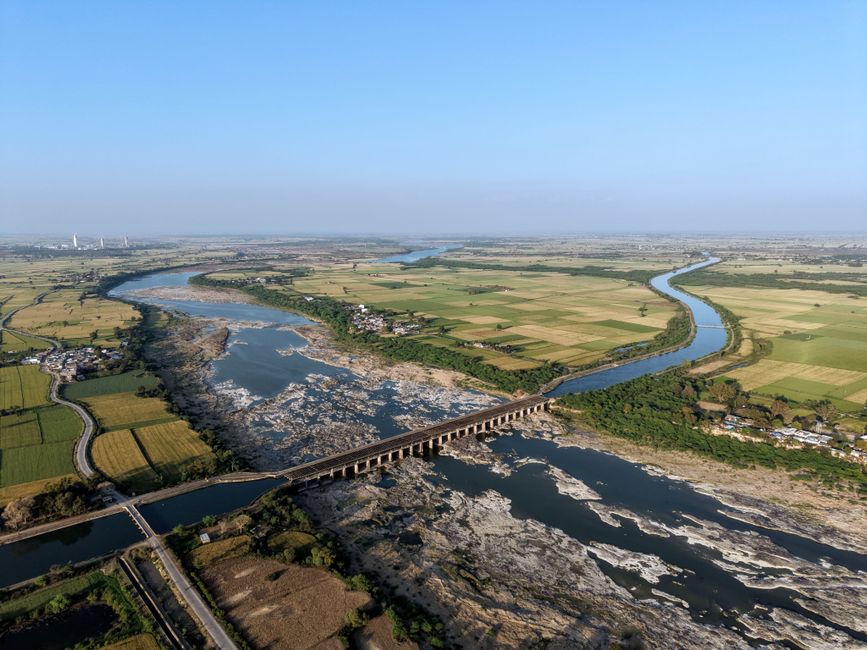
Photo by Mahendra Meena on Pexels
graph TD
    A["Factors Leading to Civilization"] --> B["River Valleys (Water, Fertile Land, Transport)"]
    B --> C["Food Surplus"]
    C --> D["Population Growth & Specialization of Labor"]
    D --> E["Development of Complex Characteristics"]
    E --> F1["Organized Government"]
    E --> F2["Complex Religion"]
    E --> F3["Social Hierarchy"]
    E --> F4["Writing Systems"]
    E --> F5["Art & Architecture"]
    E --> F6["Public Works"]
    F1 & F2 & F3 & F4 & F5 & F6 --> G["Rise of Ancient Civilizations"]
    G --> H1["Mesopotamia (Fertile Crescent)"]
    G --> H2["Ancient Egypt (Nile River)"]
    G --> H3["Indus Valley (Indus River)"]
    G --> H4["Ancient China (Yellow/Yangtze Rivers)"]

    H1 --> I1["Cuneiform, Ziggurats, Code of Hammurabi"]
    H2 --> I2["Hieroglyphs, Pyramids, Pharaohs"]
    H3 --> I3["Urban Planning, Sanitation, Undeciphered Script"]
    H4 --> I4["Dynastic Rule, Bronze Metallurgy, Mandate of Heaven"]
3. Worked Example
Imagine the early Mesopotamians settling in the fertile crescent between the Tigris and Euphrates rivers. The annual flooding made the land perfect for growing barley and wheat, creating a food surplus. This meant not everyone had to farm. Some people started building ziggurats (monumental temples), others developed cuneiform (the first known writing system) to keep records of trade and laws, and still others became priests or soldiers. Eventually, powerful leaders like Hammurabi emerged, creating organized governments and codifying laws like the Code of Hammurabi to manage this complex society.
4. Key Takeaways
- Ancient civilizations primarily arose in river valleys due to the availability of water and fertile land.
- A reliable food surplus enabled job specialization and the growth of complex societies.
- Key characteristics of civilizations include organized government, religion, social hierarchies, writing, and art.
- Mesopotamia, Egypt, the Indus Valley, and China are prime examples of early river valley civilizations.
- These civilizations developed foundational innovations like writing, complex laws, and monumental architecture.
Common Mistakes to Avoid:
- Thinking that civilizations developed randomly instead of being tied to specific geographical advantages.
- Believing that all aspects of civilization (writing, government, etc.) appeared simultaneously rather than evolving over time.
- Forgetting that religion and social structure were fundamental components, not just extras.
- Confusing the contributions of one civilization with another (e.g., Code of Hammurabi with Egyptian hieroglyphs).
5. Now Try It
Choose one of the four main river valley civilizations (Mesopotamia, Egypt, Indus Valley, or China). Write a short paragraph (5-7 sentences) explaining how the geography of that specific river valley contributed to at least three distinct characteristics of its civilization. For instance, how did the Nile's predictable flooding lead to Egyptian architecture, government, and religion?
Success looks like: You'll clearly link specific geographical features of the river valley to the development of particular elements of that civilization, demonstrating your understanding of cause and effect.
Frequently asked about Foundations of Ancient Civilizations
Study this next
Get the full I have a history study guide I need turned into a test? curriculum
Clone the complete plan to your dashboard for unlimited AI-generated notes, practice quizzes, and a personalised revision schedule.
Save this course free