Foundations of Civilization (Prehistory to Ancient World)
From the history curriculum
TL;DR
Civilization began with the transition from nomadic hunter-gatherer societies to settled agricultural communities, leading to complex social structures. Key developments included farming, cities, writing, and organized government, laying the groundwork for the ancient world. Understanding this period reveals how human societies fundamentally transformed and established enduring patterns.
1. The Mental Model
Imagine humanity's journey from small, mobile groups surviving day-to-day to building vast, interconnected societies with complex rules and specialized roles. It's about how we stopped just living in the world and started shaping it. This shift created everything we recognize as "civilized."
2. The Core Material
The transition from prehistory (before written records) to the ancient world is marked by several interconnected revolutionary changes. You can think of it as a domino effect, where one major innovation led to another.
The Paleolithic Era: Hunter-Gatherers
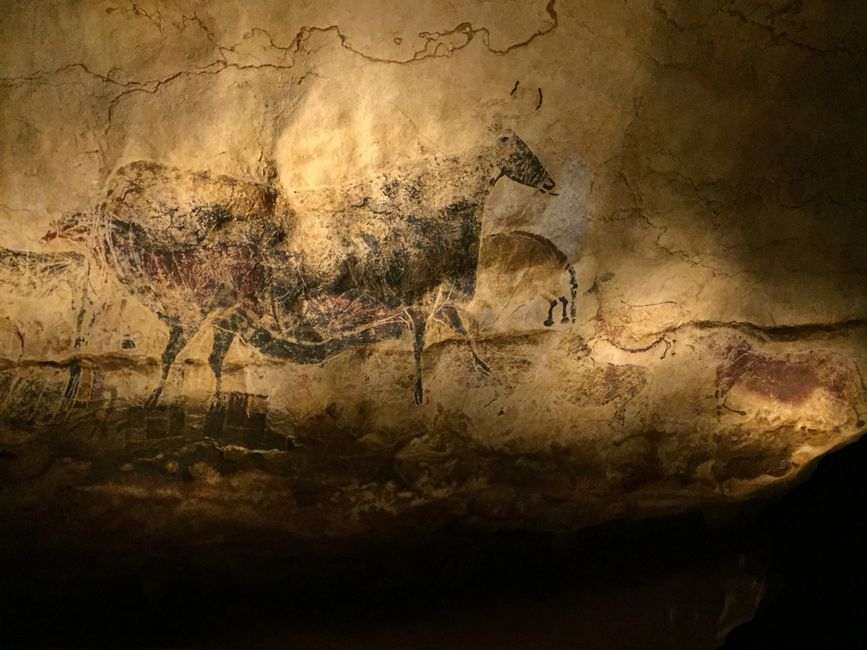
Photo by Kata Tsumuri on Pexels
For most of human history (the Paleolithic Era, or Old Stone Age), people lived as nomadic hunter-gatherers. They followed animal herds and seasonal plant growth, using simple stone tools. Their social structures were generally egalitarian and focused on survival within small bands. This period represents humanity's deep adaptation to natural environments.
The Neolithic Revolution: Agriculture

Photo by Sami Aksu on Pexels
Around 10,000 BCE, the Neolithic Revolution (New Stone Age) began. This was arguably the most significant turning point in human history: the development of agriculture. Instead of foraging, people learned to cultivate crops (like wheat and barley) and domesticate animals (like goats and cattle).
This shift had profound consequences:
* Sedentary Lifestyles: Farming required people to stay in one place, leading to permanent settlements.
* Population Growth: A more reliable food supply could support more people.
* Food Surpluses: Producing more food than immediately needed allowed for storage and specialized labor.
The Rise of Cities and Civilization

Photo by Jimmy Liao on Pexels
Food surpluses freed some people from farming, allowing them to specialize in other tasks like crafting, building, or governing. This specialization, combined with larger populations, led to the development of cities. Cities became centers of economic, political, and religious activity.
The emergence of cities brought about the defining characteristics of what we call "civilization":
- Large Population Centers (Cities): Densely populated areas with permanent dwellings.
- Complex Institutions: Organized government, formal religion, and a structured economy.
- Specialized Labor: People doing specific jobs beyond food production.
- Record Keeping (Writing): Essential for managing complex societies, laws, and trade.
- Advanced Technology: Innovations in metallurgy (bronze, iron), irrigation, and construction.
- Monumental Architecture: Large-scale public works reflecting organized labor and shared beliefs.
- Social Hierarchy: Differentiated social classes (rulers, priests, farmers, artisans).
graph TD
    A["Nomadic Hunter-Gatherer Life"] --> B["Neolithic Revolution (Agriculture & Domestication)"];
    B --> C["Sedentary Settlements"];
    C --> D["Population Growth & Food Surpluses"];
    D --> E["Specialized Labor & Social Hierarchy"];
    E --> F["Development of Cities"];
    F --> G["Complex Institutions (Gov't, Religion, Economy)"];
    G --> H["Need for Record Keeping (Writing)"];
    H --> I["Emergence of Civilizations"];
Early Civilizations
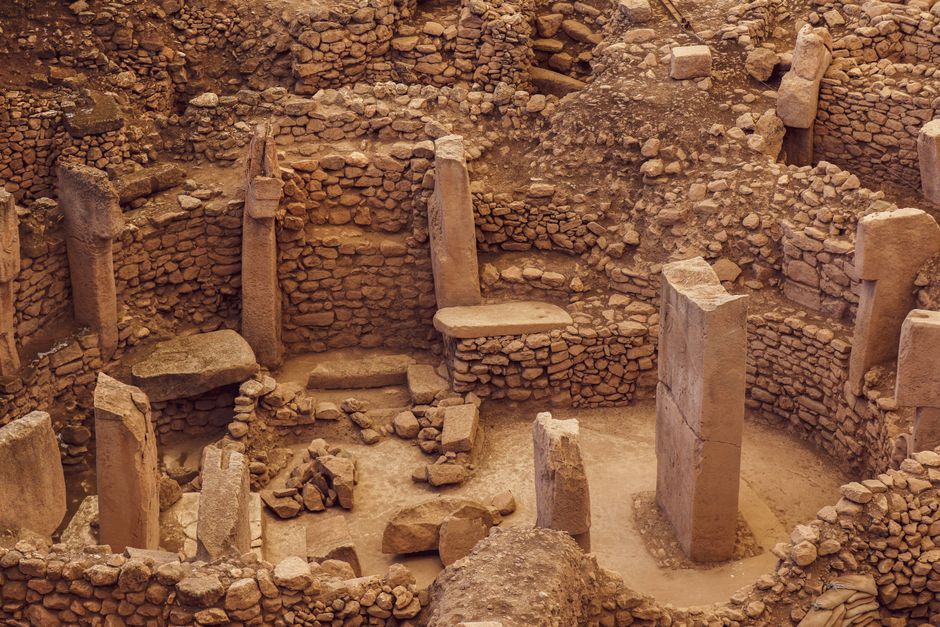
Photo by ÖMER ŞAHİN on Pexels
The first civilizations arose in fertile river valleys, which provided water for irrigation and rich soil for farming. Key early examples include:
* Mesopotamia: "Land between the rivers" (Tigris and Euphrates, modern-day Iraq), home to Sumerians, Akkadians, Babylonians. Known for cuneiform writing, ziggurats, Hammurabi's Code.
* Ancient Egypt: Along the Nile River. Famous for hieroglyphics, pyramids, pharaohs, mummification.
* Indus Valley Civilization: Along the Indus River (modern-day Pakistan and India). Known for well-planned cities like Mohenjo-Daro and Harappa, with advanced sanitation.
* Ancient China: Along the Yellow (Huang He) and Yangtze Rivers. Early dynasties like the Shang developed sophisticated bronze work and oracle bones.
These civilizations shared common features but also developed unique cultures, technologies, and governance systems, setting the stage for future empires and cultural exchanges.
3. Worked Example
Consider the transition from a small Paleolithic band to a city-state in Mesopotamia.
A group of hunter-gatherers, perhaps 30-50 strong, follows game trails and seasonal berry patches across a wide territory near the Tigris River. Their tools are flint axes and bone needles. They own little, as everything must be carried. Social organization is informal, based on kinship.
Then, some individuals discover that wild wheat can be planted and harvested, and wild goats can be penned. They decide to stay in one spot. Over generations, this settlement grows. Because a few farmers can now feed many, not everyone needs to farm. Some people start making pottery to store surplus grain, others weave textiles, some become priests interpreting the floods, and a few organize defense. A leader emerges to manage the collective irrigation system. They develop a simple system of marks on clay tablets to track grain storage and land ownership – this is proto-writing. This process, repeated and amplified, eventually leads to the building of Ur or Uruk, with thousands of people, monumental temples (ziggurats), complex laws, and a ruling class.
4. Key Takeaways
- The Neolithic Revolution, driven by agriculture, fundamentally changed human society from nomadic to sedentary.
- This shift led to food surpluses, population growth, and specialized labor.
- The concentration of people and specialization gave rise to cities, the hallmark of civilization.
- Core features of early civilizations include cities, organized government, writing, social hierarchy, and advanced technology.
- The first civilizations developed in fertile river valleys, like Mesopotamia and Egypt, due to resource availability.
- The move from prehistory to the ancient world is defined by the development of complex, organized societies.
-
Understanding this period helps explain the origins of many societal structures still present today.
-
Common Mistakes to Avoid:
- Don't confuse the Paleolithic and Neolithic Eras; the key difference is the adoption of agriculture.
- Avoid thinking civilization "just happened"; it was a gradual process with many interconnected causes.
- Don't assume all early civilizations were identical; they had unique cultural and technological developments.
- Don't underestimate the profound impact of writing; it allowed for record-keeping and complex governance.
5. Now Try It
Imagine you are an early human living through the Neolithic Revolution. Write a short journal entry (100-150 words) from the perspective of someone who has just witnessed or participated in the shift from a hunter-gatherer lifestyle to a settled agricultural one. Describe what life was like before, the "discovery" or gradual understanding of farming, and how daily life, social structure, or concerns have changed.
Success looks like: your entry clearly demonstrates an understanding of the key changes between the two lifestyles, reflecting both the benefits and potential new challenges of sedentary agriculture.
Frequently asked about Foundations of Civilization (Prehistory to Ancient World)
Study this next
Get the full history curriculum
Clone the complete plan to your dashboard for unlimited AI-generated notes, practice quizzes, and a personalised revision schedule.
Save this course free