Biological Sciences: Ecosystems and Interdependence
From the TERM 4 Science test plan curriculum
TL;DR
Ecosystems are communities of living organisms interacting with each other and their non-living environment. These interactions create complex webs of interdependence, where changes to one part can affect the whole system. Understanding how energy flows and matter cycles helps explain how ecosystems function and how living things rely on each other.
1. The Mental Model
Think of an ecosystem like a giant, interconnected puzzle. Every piece – from the smallest microbe to the largest animal, plus the sunlight, water, and soil – fits together and depends on the others to keep the whole picture stable. If you change or remove one piece, it affects all the surrounding pieces and potentially the entire puzzle.
2. The Core Material
Ecosystems are fascinating because they show us how everything in nature is connected. They include biotic factors (living things like plants, animals, bacteria) and abiotic factors (non-living things like sunlight, water, soil, temperature).
Here’s a breakdown of the key concepts:
2.1 Food Chains and Food Webs
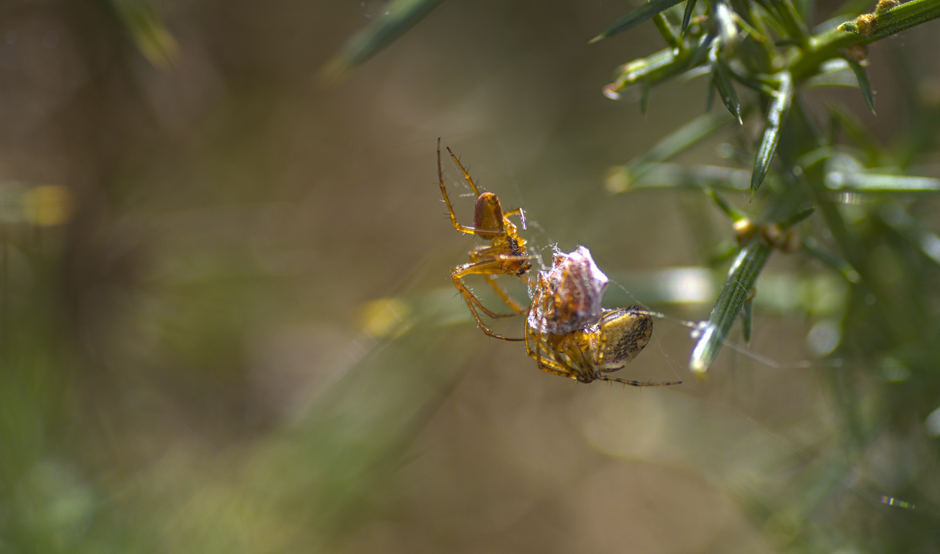
Photo by Delyth Williams on Pexels
Energy flows through an ecosystem primarily through feeding relationships.
* Producers (like plants and algae) capture energy from the sun (or chemicals) to make their own food.
* Consumers get energy by eating other organisms.
* Primary consumers (herbivores) eat producers.
* Secondary consumers (carnivores or omnivores) eat primary consumers.
* Tertiary consumers eat secondary consumers.
* Decomposers (like bacteria and fungi) break down dead organic matter, recycling nutrients back into the ecosystem.
A food chain shows a single pathway of energy flow (e.g., grass → rabbit → fox). A food web is much more realistic, showing multiple interconnected food chains within an ecosystem. It illustrates that most organisms eat, and are eaten by, more than one type of organism.
2.2 Symbiotic Relationships

Photo by Pixabay on Pexels
Interactions between different species living closely together are called symbiotic relationships.
* Mutualism: Both species benefit (e.g., bees and flowers).
* Commensalism: One species benefits, the other is unaffected (e.g., barnacles on whales).
* Parasitism: One species benefits (the parasite) at the expense of the other (the host) (e.g., ticks on a dog).
* Predation: One organism hunts and kills another for food (e.g., lion hunting a zebra).
* Competition: Two or more organisms require the same limited resources (e.g., two plants competing for sunlight).
2.3 Nutrient Cycles
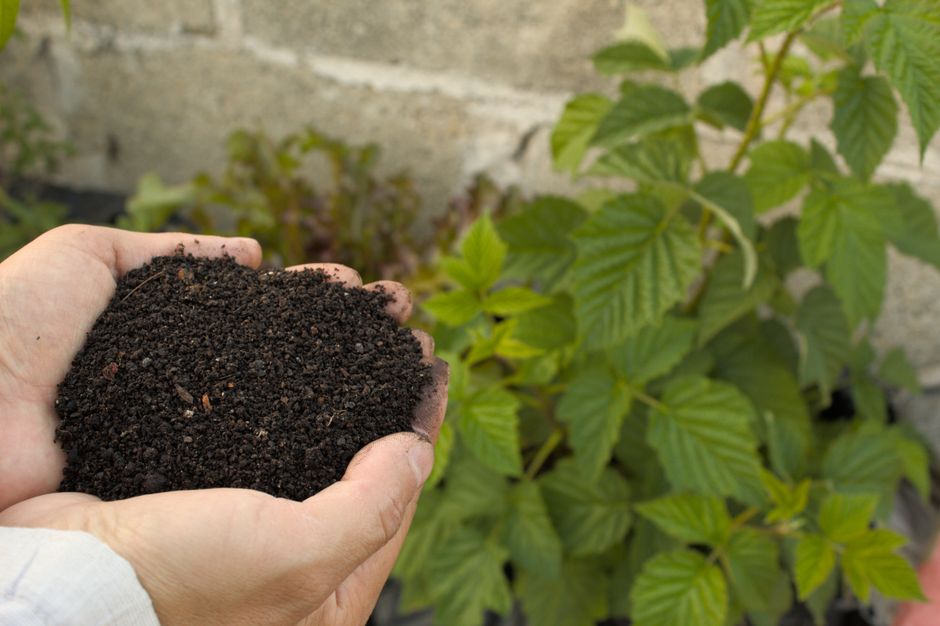
Photo by Silva Montanis on Pexels
Unlike energy, which flows through and eventually leaves an ecosystem, matter (nutrients) is recycled. Key cycles include:
* Water Cycle: Evaporation, condensation, precipitation, collection.
* Carbon Cycle: Photosynthesis, respiration, decomposition, combustion.
* Nitrogen Cycle: Nitrogen fixation, nitrification, assimilation, ammonification, denitrification. These cycles ensure that essential elements are continuously available for living organisms.
Here's a look at how different organisms interact in a food web:
graph TD
    A["Sunlight"] --> P["Producers (Grass, Trees)"]
    P --> H1["Primary Consumer (Rabbit)"]
    P --> H2["Primary Consumer (Deer)"]
    P --> I["Primary Consumer (Insect)"]
    H1 --> C1["Secondary Consumer (Fox)"]
    H2 --> C2["Secondary Consumer (Wolf)"]
    I --> C3["Secondary Consumer (Bird)"]
    C3 --> C1
    C1 --> D["Decomposers (Bacteria, Fungi)"]
    C2 --> D
    P --> D
    H1 --> D
    H2 --> D
    I --> D
3. Worked Example
Let's trace energy through a simple Australian bush ecosystem:
Imagine sunlight hitting a patch of Eucalyptus trees. The trees use this sunlight (abiotic factor) in photosynthesis to grow, acting as producers.
A koala comes along and eats the eucalyptus leaves. The koala is a primary consumer (herbivore). The energy stored in the leaves is transferred to the koala.
A dingo (a type of wild dog) might hunt and eat a sick or young koala. In this case, the dingo acts as a secondary consumer. The energy from the koala transfers to the dingo.
When the dingo eventually dies, decomposers like fungi and bacteria break down its body. These decomposers release nutrients back into the soil, which the Eucalyptus trees can then absorb to grow, completing the cycle of matter. This shows how energy moves through different trophic levels and how nutrients are recycled.
4. Key Takeaways
- Ecosystems consist of interconnected living (biotic) and non-living (abiotic) components.
- Energy flows from producers through consumers in food chains and complex food webs.
- Symbiotic relationships describe how different species interact, including mutualism, commensalism, and parasitism.
- Nutrient cycles (like water, carbon, nitrogen) ensure essential elements are continuously reused.
- Changes to one part of an ecosystem can have ripple effects throughout the entire system due to interdependence.
- Decomposers are vital for recycling nutrients and maintaining the health of an ecosystem.
- Predation and competition are also crucial interactions that shape population dynamics.
Common mistakes to avoid:
- Confusing a food chain with a food web; remember webs are much more complex and realistic.
- Forgetting the role of decomposers; they're essential, not just "clean-up crew."
- Thinking energy gets recycled like matter; energy flows through, while matter cycles.
- Underestimating the impact of abiotic factors; they set the stage for biotic interactions.
5. Now Try It
Take 15 minutes to observe a small "ecosystem" around you – it could be your backyard, a houseplant, or even a local park.
1. Identify at least three biotic factors (living organisms) and three abiotic factors (non-living elements like soil, light, water, air).
2. Try to map out a simple food chain or a very small food web within that system. Who are the producers? Who eats whom?
3. Think about one example of a symbiotic relationship that might be happening there (e.g., ants and aphids, or birds nesting in a tree).
Success looks like you being able to clearly list the factors and draw at least a simple two-step food chain, explaining the role of each organism.
Frequently asked about Biological Sciences: Ecosystems and Interdependence
Study this next
Get the full TERM 4 Science test plan curriculum
Clone the complete plan to your dashboard for unlimited AI-generated notes, practice quizzes, and a personalised revision schedule.
Save this course free