Ecosystems and Environmental Science
From the science curriculum
TL;DR
Ecosystems are communities of living organisms interacting with their non-living environment, forming complex webs of life. Environmental science studies these interactions, focusing on human impacts and solutions for sustainability. Understanding energy flow and nutrient cycling is key to appreciating how ecosystems function and how to protect them.
1. The Mental Model
Think of an ecosystem as a giant, interconnected puzzle where every piece, living or non-living, affects the others. Environmental science is like being a detective, figuring out how these pieces fit together, especially when humans mess with the puzzle.
2. The Core Material
An ecosystem is a geographical area where plants, animals, and other organisms, as well as weather and landscape, work together to form a bubble of life. Ecosystems contain biotic (living) and abiotic (non-living) components.
Biotic Components

Photo by Jeffry Surianto on Pexels
These are all the living parts:
* Producers (Autotrophs): Organisms like plants that make their own food, usually through photosynthesis. They form the base of the food web.
* Consumers (Heterotrophs): Organisms that get energy by eating other organisms.
* Primary Consumers (Herbivores): Eat producers.
* Secondary Consumers (Carnivores/Omnivores): Eat primary consumers.
* Tertiary Consumers (Top Carnivores/Omnivores): Eat secondary consumers.
* Decomposers: Organisms like bacteria and fungi that break down dead organic matter, returning nutrients to the soil.
Abiotic Components

Photo by lil artsy on Pexels
These are the non-living physical and chemical parts:
* Sunlight
* Water
* Soil
* Temperature
* Atmosphere (air)
* Nutrients (e.g., nitrogen, phosphorus)
Energy Flow and Nutrient Cycling
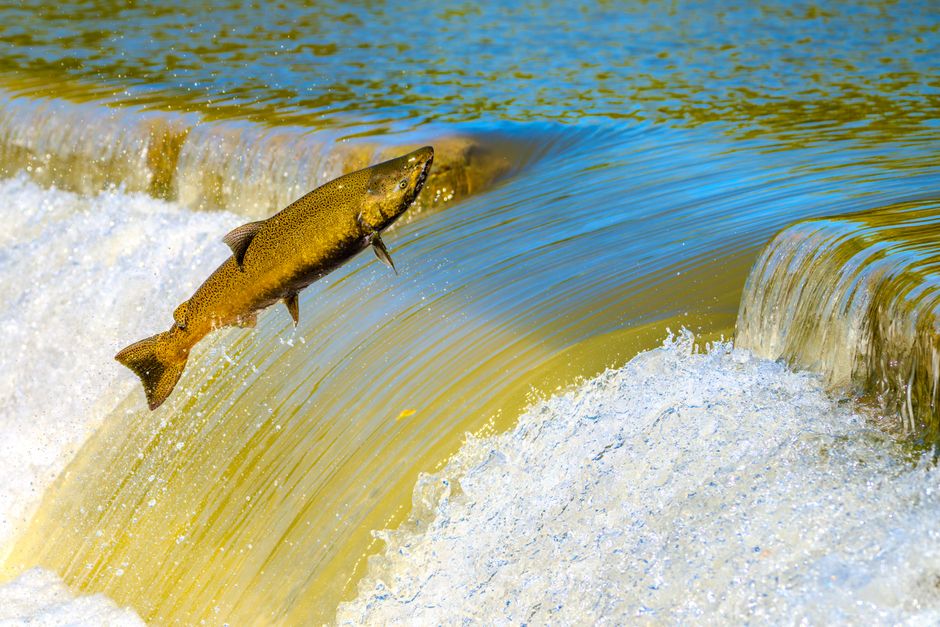
Photo by Héctor Berganza on Pexels
Energy in an ecosystem flows mostly in one direction: from the sun, captured by producers, then passed to consumers. A lot of energy is lost as heat at each transfer. Nutrients, however, cycle continuously through the ecosystem, reused by different organisms.
Environmental Science

Photo by Yaroslav Shuraev on Pexels
This field applies scientific principles to understand environmental problems, predict future changes, and develop solutions. Key areas include:
* Pollution: Air, water, soil contamination.
* Biodiversity Loss: Reduction in the variety of life on Earth.
* Climate Change: Long-term shifts in temperatures and weather patterns.
* Resource Depletion: Overuse of natural resources like water, forests, and fossil fuels.
* Sustainability: Meeting the needs of the present without compromising the ability of future generations to meet their own needs.
Here's how energy and nutrients move through a simple ecosystem:
graph TD
    A["Sunlight (Energy Input)"] --> B["Producers (Plants)"]
    B --> C["Primary Consumers (Herbivores)"]
    C --> D["Secondary Consumers (Carnivores)"]
    D --> E["Decomposers (Fungi, Bacteria)"]
    B --> E
    C --> E
    E --> F["Nutrients in Soil/Water"]
    F --> B
3. Worked Example
Imagine a small pond ecosystem.
* Producers: Algae and aquatic plants growing in the pond. They capture sunlight.
* Primary Consumers: Snails and small fish that eat the algae and plants.
* Secondary Consumers: Larger fish or frogs that eat the snails and small fish.
* Tertiary Consumers: A heron that preys on the larger fish and frogs.
* Decomposers: Bacteria and fungi in the pond water and sediment break down dead algae, plants, fish, and other organisms.
* Abiotic Factors: The pond water itself, sunlight hitting the surface, dissolved oxygen, temperature, and the rocks/sediment at the bottom.
If a pollutant like fertilizer runoff enters the pond, it can cause an algal bloom (overgrowth of producers). When these algae die, decomposers use up a lot of oxygen, which can harm or kill fish and other organisms, showing the interconnectedness.
4. Key Takeaways
- An ecosystem includes all living (biotic) and non-living (abiotic) things interacting in an area.
- Energy flows mostly unidirectionally from the sun through producers to consumers, with much lost as heat.
- Nutrients cycle continuously within an ecosystem, being reused by different organisms.
- Environmental science helps us understand how human actions impact ecosystems.
- Sustainability is about using resources responsibly to ensure they are available for future generations.
- Producers form the base of the food web by making their own food.
- Decomposers are crucial for recycling nutrients back into the ecosystem.
Common Mistakes to Avoid
- Confusing energy flow with nutrient cycling; energy flows, nutrients cycle.
- Forgetting the role of decomposers; they are essential for nutrient return.
- Thinking abiotic factors are less important than biotic factors; both are equally critical for an ecosystem's health.
- Underestimating human impact; even small local actions can have cascading effects on an ecosystem.
5. Now Try It
Think about an ecosystem you interact with daily – maybe your backyard, a local park, or even your house. Identify at least two biotic components (e.g., specific plants, insects, pets) and two abiotic components (e.g., sunlight, soil, air conditioning, water). Then, describe one way these components interact. What happens if one of these components changes significantly?
Success looks like clearly identifying the components and describing a realistic interaction or consequence of a change.
Frequently asked about Ecosystems and Environmental Science
Study this next
Get the full science curriculum
Clone the complete plan to your dashboard for unlimited AI-generated notes, practice quizzes, and a personalised revision schedule.
Save this course free